

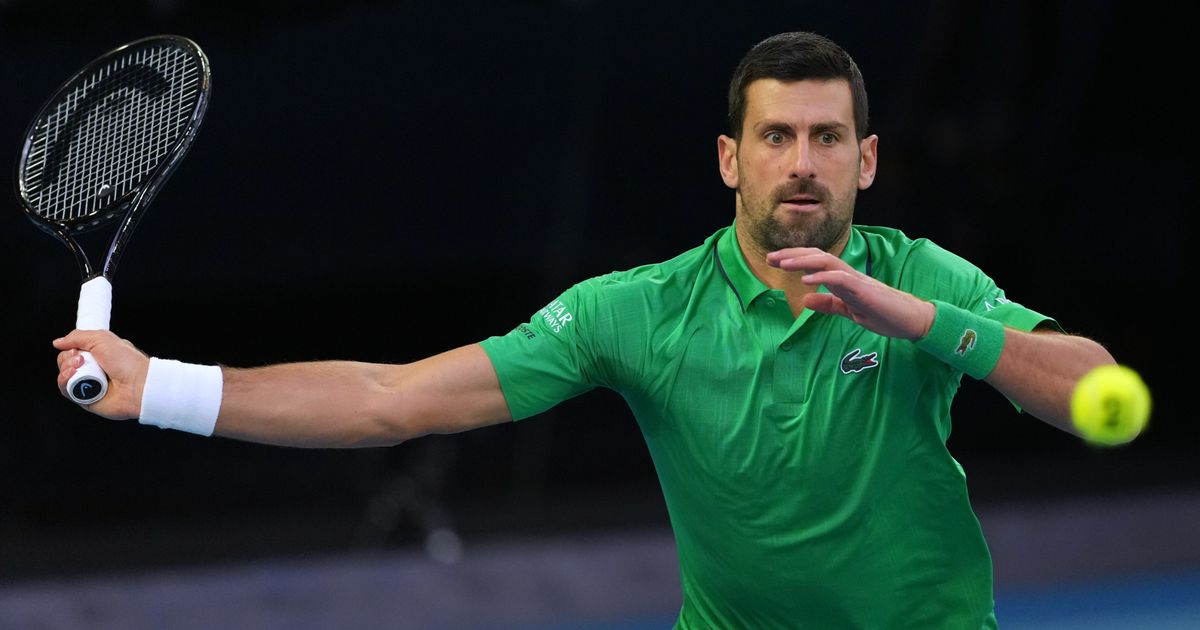
Novak Djokovic’s third-round match at the Indian Wells Masters has been scheduled for Monday on the day session in California, with Serbian outlets variously citing 7 or 8 p.m. in Serbia, corresponding to a late morning start around 11 a.m. local time. Both sides agree he will face Aleksandar Kovacevic, a Serb-born player competing under the American flag, that this is a continuation of Djokovic’s 2024 Indian Wells campaign following his second‑round win, and that it will be their second career meeting after Djokovic’s victory over Kovacevic at Roland Garros in 2023.
Coverage consistently notes that Djokovic experienced physical discomfort, including vomiting, in his previous match, and that weather conditions in the California desert could be an important factor for his performance. Outlets converge on the idea that the daytime sun, heat, and dry air at Indian Wells can make late‑morning matches particularly demanding, and they emphasize Djokovic’s status as the tournament’s key attraction and a national symbol for Serbian fans watching in a favorable evening time slot back home.
Areas of disagreement
Significance of the scheduling. Opposition‑aligned sources tend to frame the late‑morning local start as a potentially unfavorable slot that could tax Djokovic physically and raise questions about whether organizers are prioritizing television and commercial interests over player welfare. Pro‑government outlets highlight that the chosen time is ideal for Serbian viewers in prime evening hours and present the schedule as a neutral or even friendly decision that boosts national audience engagement rather than disadvantaging Djokovic.
Portrayal of organizers. Opposition coverage is more likely to imply that tournament organizers habitually place top players like Djokovic in conditions that test their endurance, subtly suggesting institutional insensitivity to his recent health issues. Pro‑government media emphasize the professionalism and prestige of Indian Wells, presenting organizers’ decision as standard practice in a major event and avoiding any suggestion of bias or neglect toward Djokovic.
Framing of Djokovic’s condition. Opposition‑leaning reports would stress his vomiting and prior difficulties as a warning sign that the schedule and conditions might pose health risks, using this to question whether enough is being done to protect elite athletes. Pro‑government sources instead mention his physical issues briefly, then pivot to confidence in his resilience and experience in tough conditions, framing the situation as another challenge he is expected to overcome rather than a systemic problem.
National and symbolic angle. Opposition outlets are inclined to focus on Kovacevic’s American representation to underscore themes of talent leaving Serbia or playing under other flags, folding the match into broader critiques of domestic sports policy and support. Pro‑government coverage leans into the idea of a "Serb versus Serb" narrative as a point of pride, stressing Djokovic’s role as a unifying national figure and presenting the all‑Serb storyline as a positive reflection of the country’s tennis strength, regardless of Kovacevic’s current flag.
In summary, opposition coverage tends to treat the scheduling and conditions as part of a pattern of questionable institutional priorities and as a lens for broader systemic criticism, while pro-government coverage tends to normalize the organizers’ decisions, celebrate the favorable TV slot for Serbian fans, and emphasize Djokovic’s resilience and symbolic national importance.
Story coverage
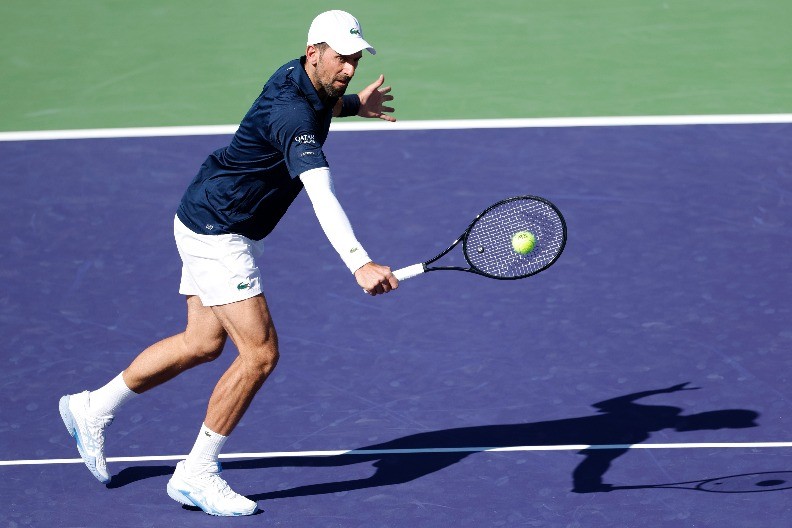
pro-government
ORGANIZERS DECIDED: Here's when Djokovic will take the court
Ideal timing for fans in Serbia
17 days ago