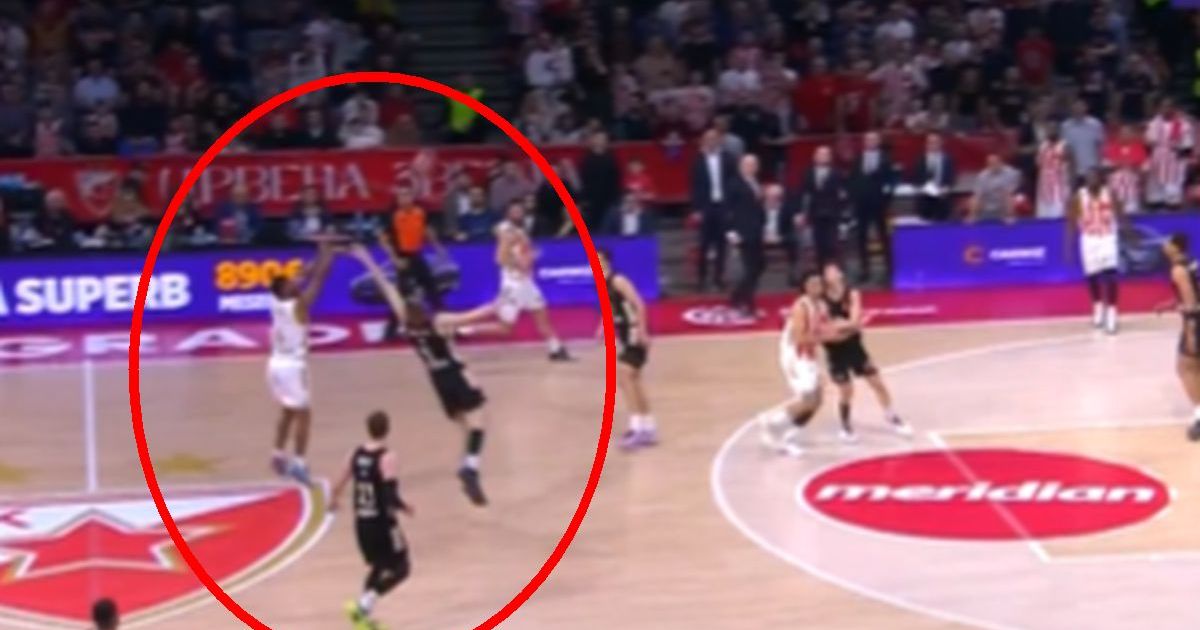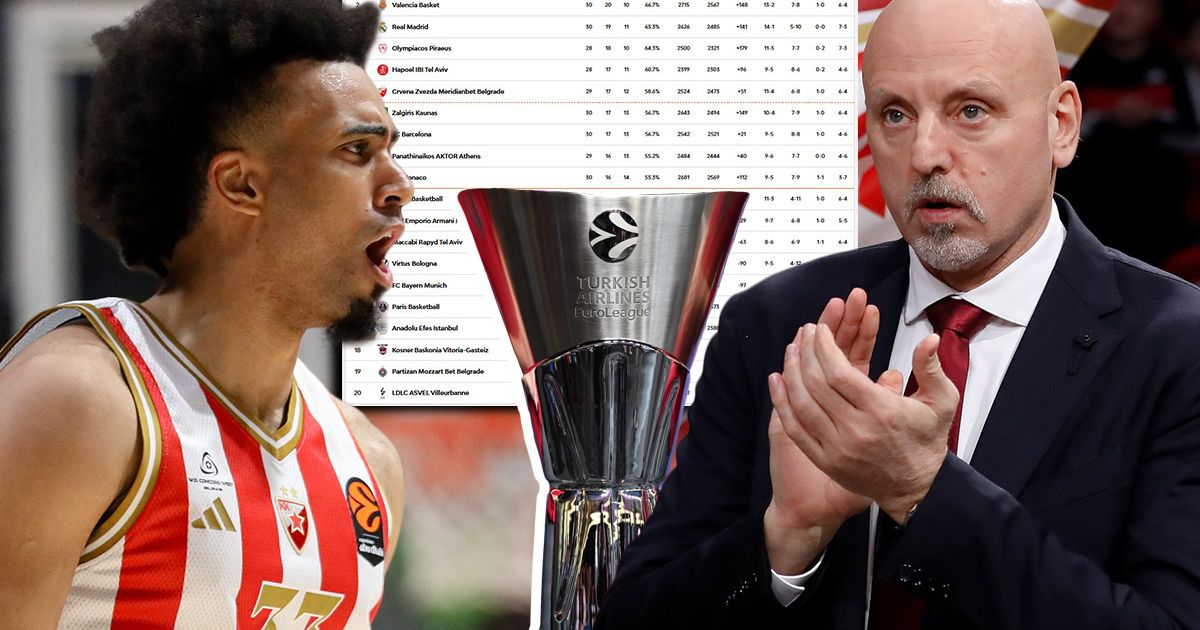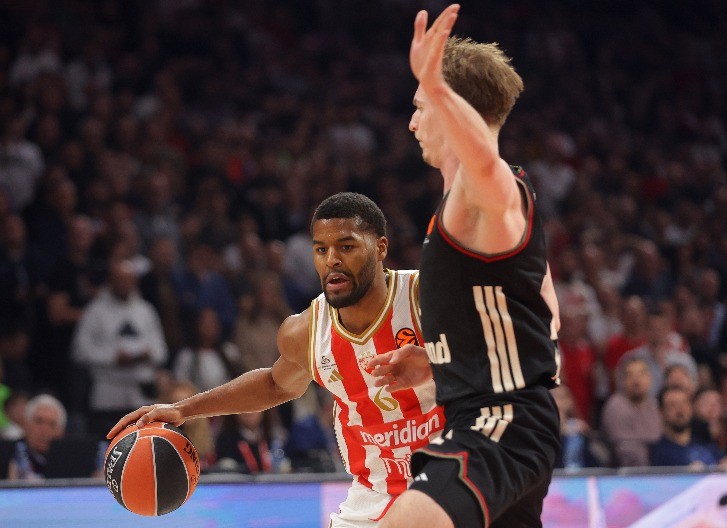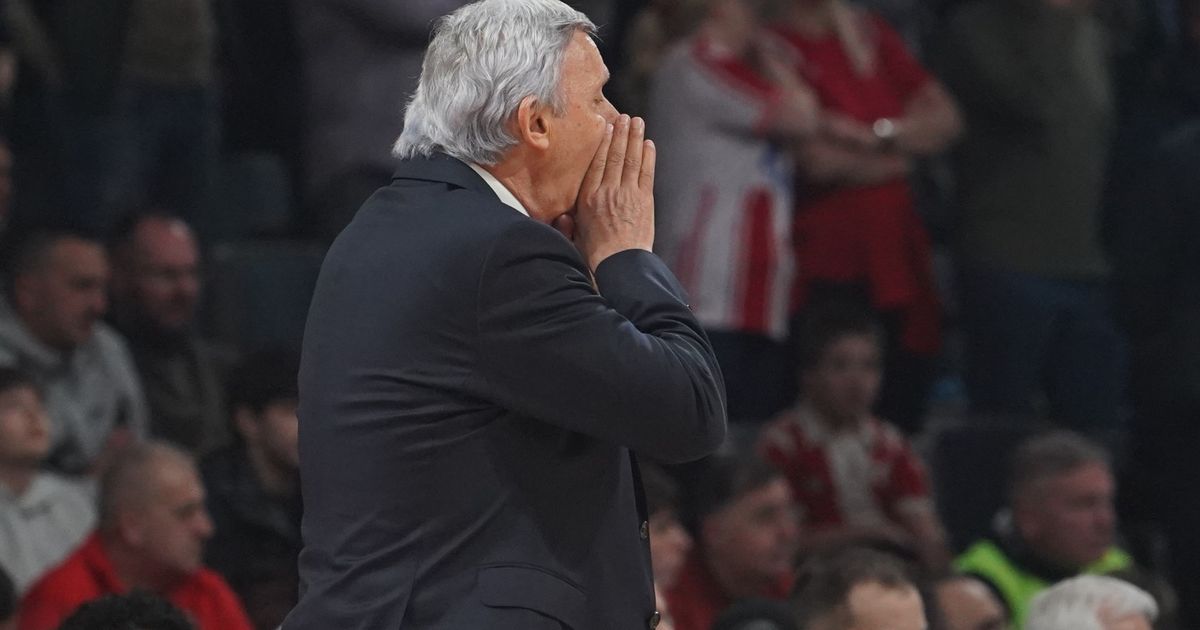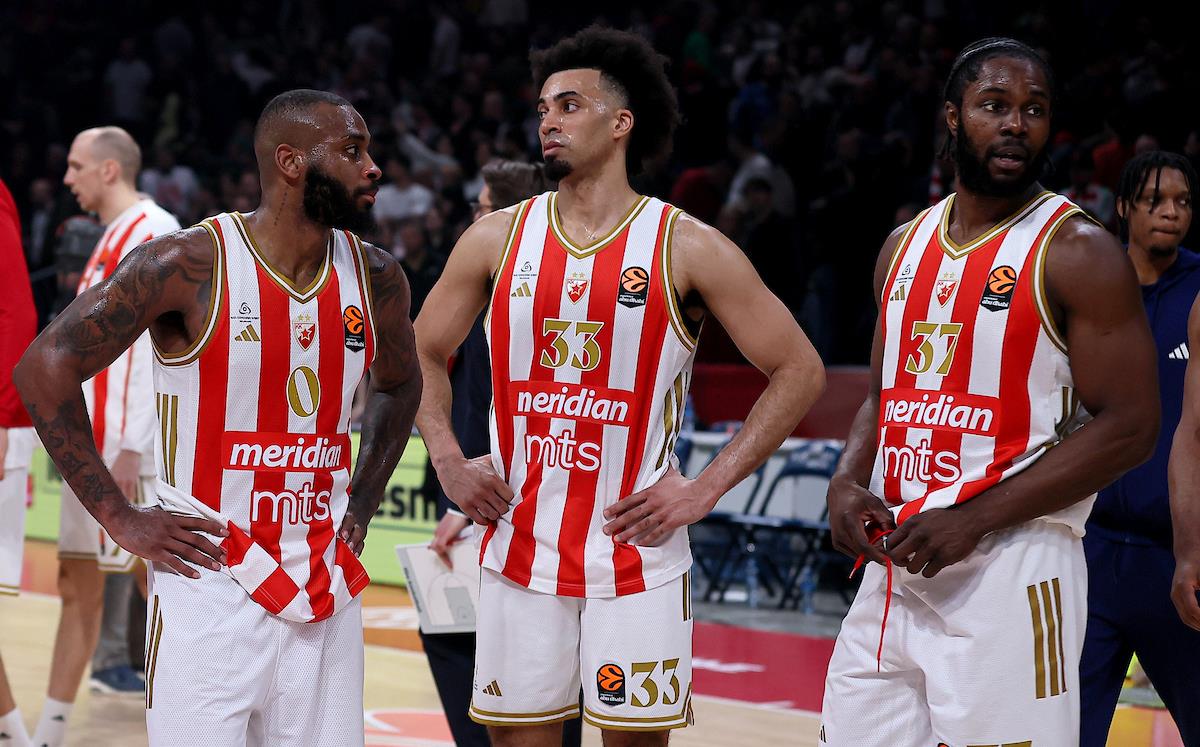



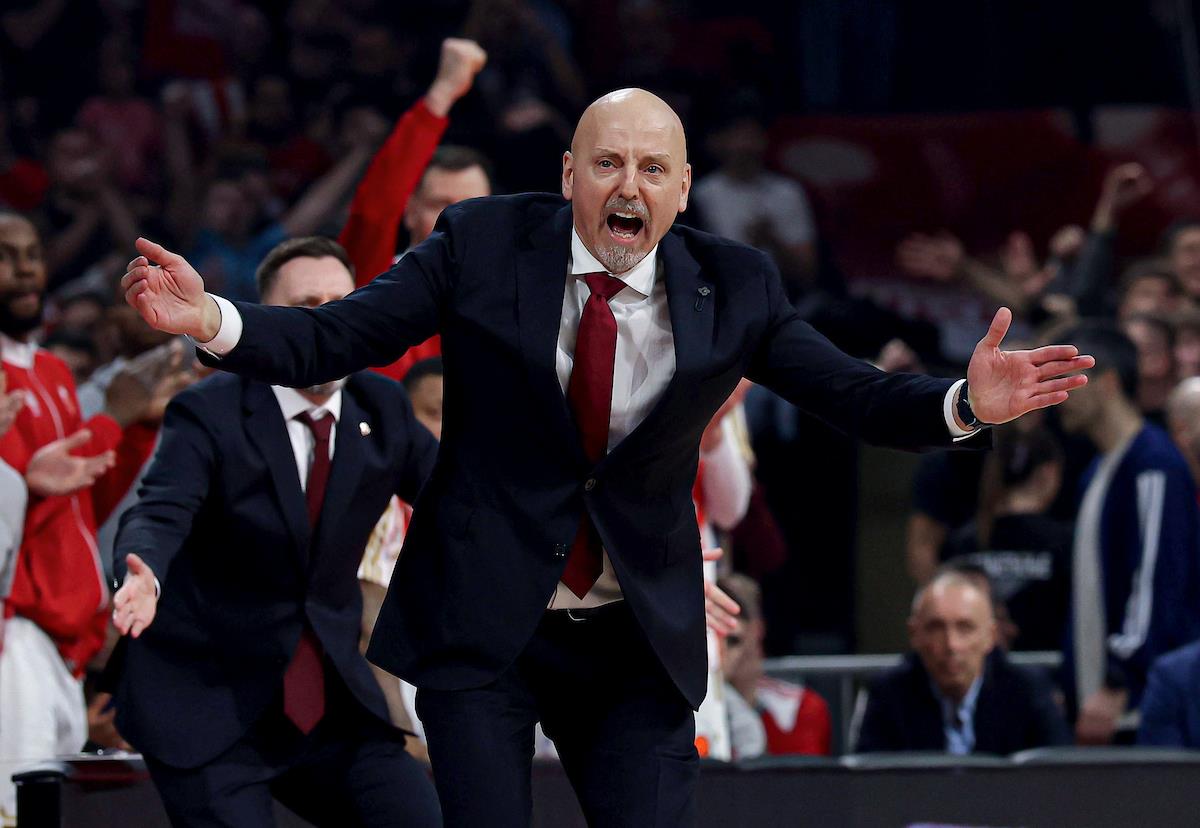
Crvena zvezda lost 85:80 at home to Bayern Munich in the 30th round of the EuroLeague, a game played in Belgrade’s Arena in front of a large and expectant crowd. Both opposition- and pro-government-aligned coverage agree that Zvezda entered as a clear favorite with a full roster, but fell behind by as many as 16 points before mounting a comeback that was highlighted by Jared Butler’s spectacular half-court buzzer-beater to end the first half. Reports converge that Bayern, coached by Svetislav Pešić, controlled key moments, especially in the third quarter and the closing minutes, capitalizing on Zvezda’s poor shooting and turnovers to secure the win. The result left Zvezda at 17–13, dropped them from the EuroLeague Top 6 to seventh place on tiebreaks with Žalgiris, and tightened the race for playoff positions, while keeping Bayern in play-in contention.
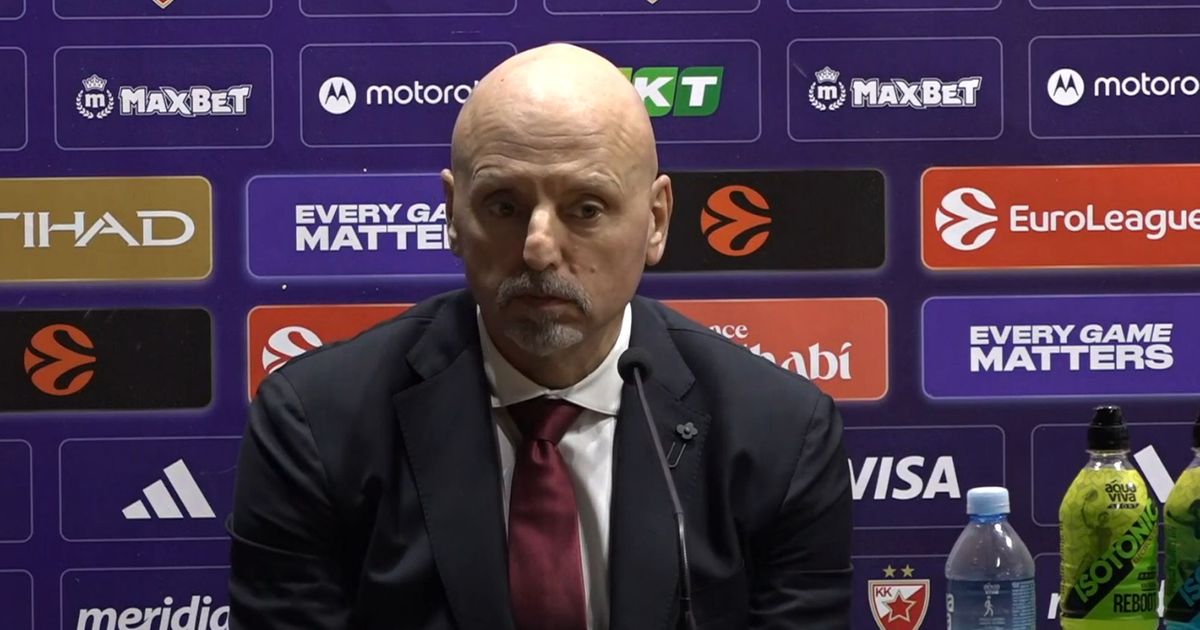
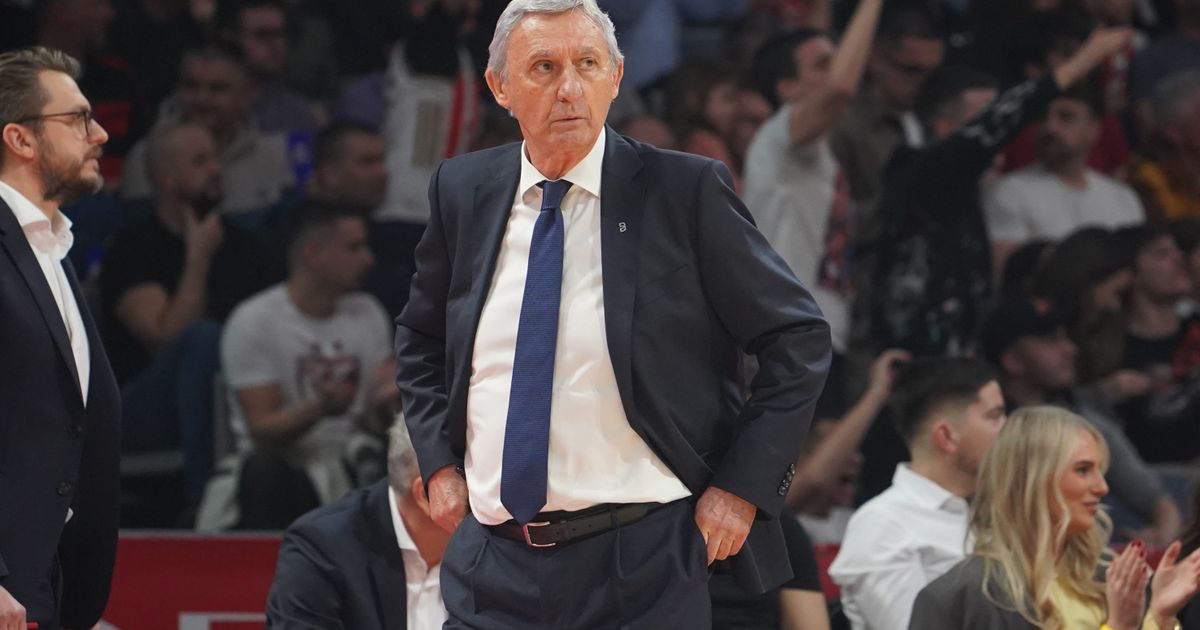
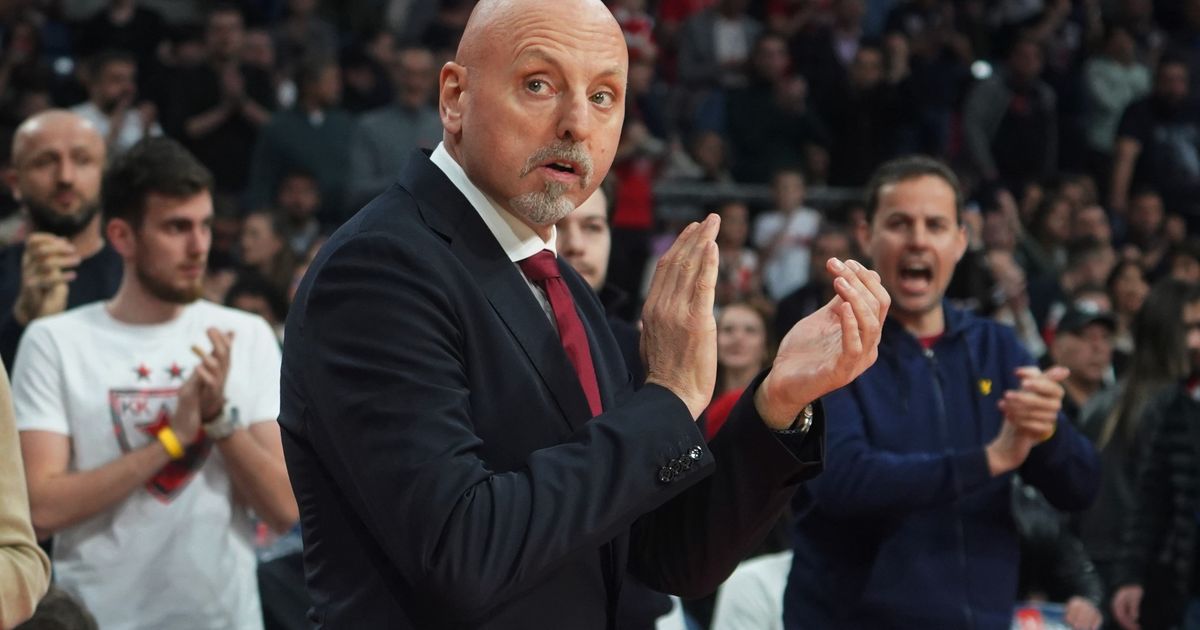
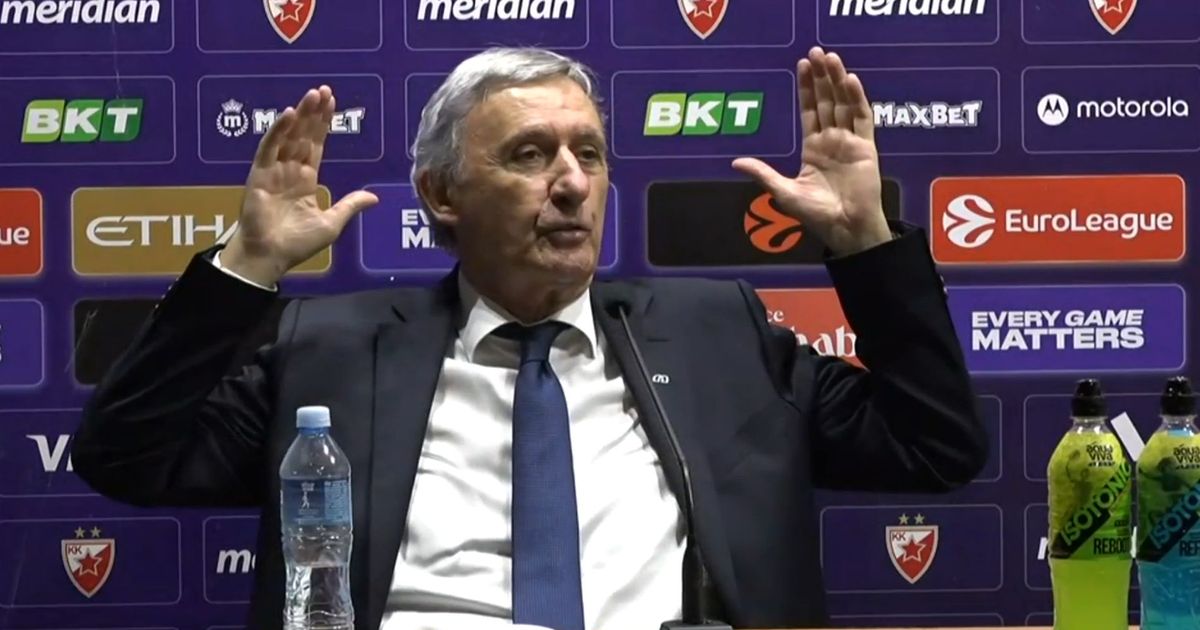
Both camps also agree on the main official narratives after the game: coach Saša Obradović publicly acknowledged that Bayern deserved the victory, citing pressure, weak decision-making under stress, inconsistent defense, and slow, disjointed offense as decisive factors. It is commonly reported that his substitution choices, particularly involving players like Izundu and Dobrić, were central to how the final minutes unfolded, and that Delije reacted angrily in the aftermath. Coverage on both sides notes Pešić’s satisfaction with a hard-fought win and his emphasis on team goals, player development, and the broader importance of Serbian clubs’ stable EuroLeague presence, linking this match to wider themes in Serbian and regional basketball. There is shared recognition that, beyond a single upset, this defeat complicates Zvezda’s Top 6 ambitions and increases the strategic weight of the remaining regular-season fixtures.
Areas of disagreement
Responsibility and blame. Opposition-aligned sources, where they touch this game, tend to dilute the focus on Zvezda’s own failings by embedding the result in a wider narrative of EuroLeague turbulence, power struggles, and controversial management decisions, implying that structural issues overshadow any single loss. Pro-government outlets, by contrast, place responsibility squarely on Zvezda’s bench and roster, sharply criticizing Obradović’s tactics, substitution patterns, and the players’ mentality, often echoing fan anger. While both note pressure and bad decisions, pro-government reports present the defeat as primarily self-inflicted, whereas opposition coverage implies that on-court blame is only a piece of a larger, flawed EuroLeague ecosystem.
Meaning of the defeat. Opposition-leaning reporting tends to downplay the loss as one event in a broader EuroLeague context dominated by scandals like the Panathinaikos–Bodiroga conflict, suggesting that the competition’s credibility problems are more consequential than a single 85:80 scoreline. Pro-government media, however, frame the defeat as a major sporting and strategic setback for Zvezda, a shock that seriously endangers Top 6 hopes and exposes systemic weaknesses in the team’s construction and coaching. Where opposition sources implicitly relativize the sporting impact against league-level disputes, pro-government outlets portray this specific match as a pivotal moment in Zvezda’s season.
Portrayal of EuroLeague and institutions. Opposition-oriented coverage uses the wider EuroLeague backdrop—owners attacking the league president, public shaming of Bodiroga, and institutional rifts—to question the competition’s governance and fairness, hinting that clubs and fans are operating in a dysfunctional framework. Pro-government outlets, while noting standings and format implications, largely accept the institutional setup and focus instead on how Serbian clubs must adapt within it, stressing goals like regular EuroLeague presence and domestic reforms. Thus, opposition narratives spotlight EuroLeague leadership and politics as central problems, whereas pro-government narratives treat the league as a given arena in which Zvezda simply failed to perform.
Fans, emotions, and national framing. Opposition-aligned sources, when referencing fan reactions, integrate them into a broader mood of dissatisfaction with EuroLeague authorities and perceived injustices, aligning supporter anger with a critique of the supranational basketball order. Pro-government media concentrate more on Delije’s anger toward Obradović and the team, and amplify Pešić’s proud references to winning as a Serb and thanking Serbian fans, folding the game into a story of national basketball prestige. As a result, opposition reporting ties emotions to institutional protest, while pro-government coverage channels them into demanding accountability from Zvezda and celebrating Serbian coaching success abroad.
In summary, opposition coverage tends to relativize Zvezda’s 85:80 loss within a much larger critique of EuroLeague politics and governance, while pro-government coverage tends to magnify the defeat as a self-inflicted sporting failure that demands accountability from Zvezda’s coach, players, and club management.
Story coverage