
.jpg)
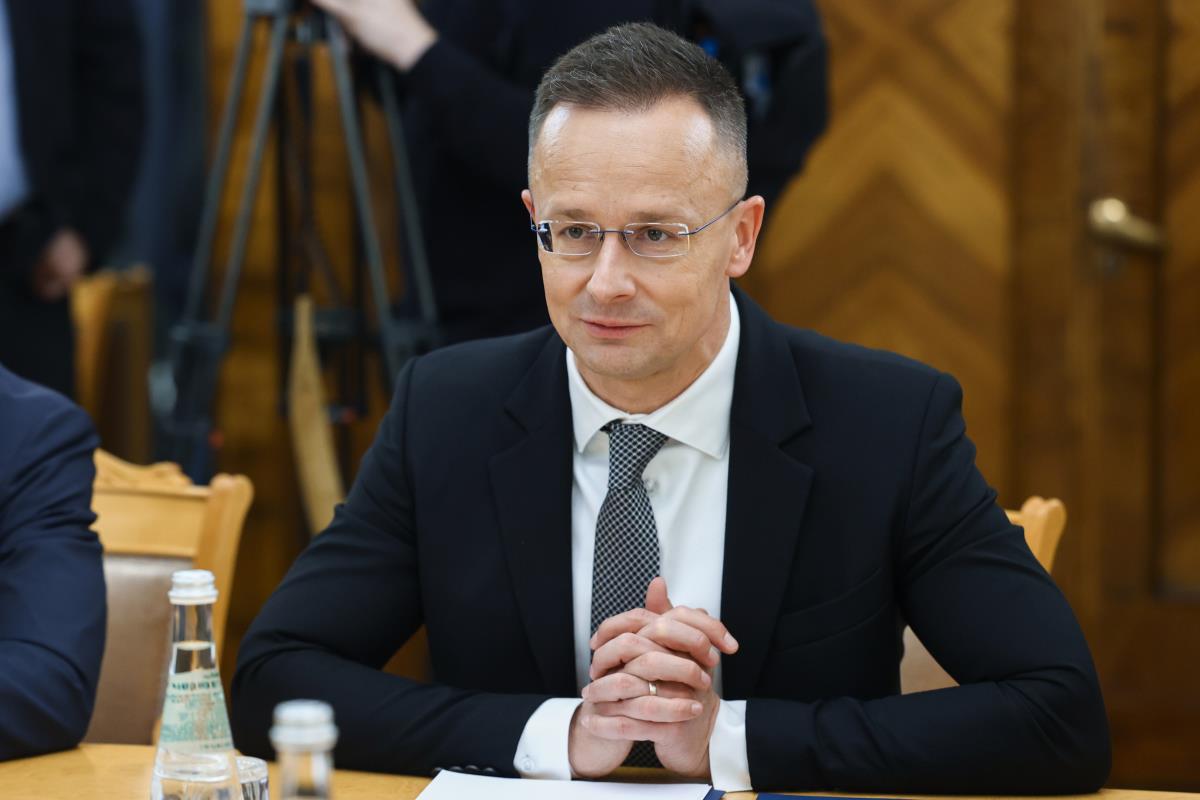
Russian President Vladimir Putin and Hungarian Foreign Minister Peter Szijjártó held talks in the Kremlin focused on energy cooperation and supply guarantees for Hungary. Both sides, as reflected in available coverage, agree that Russia has pledged to continue supplying energy to Hungary under existing contracts and that these guarantees include maintaining current pricing formulas rather than passing through immediate international market volatility. The meeting is consistently situated within the broader turbulence on European energy markets, and Putin is quoted as saying Russia can redirect its exports and could, if necessary, halt deliveries to other European countries that impose restrictive measures.
Shared context across both types of outlets highlights Hungary’s heavy dependence on Russian energy imports and the role of long-term contracts in cushioning the country from sudden global price spikes. There is broad acknowledgment that the discussion is occurring against the backdrop of wider European debates over sanctions, the green transition, and diversification away from Russian energy. Reports concur that institutions like the European Union, Russian state suppliers, and Hungary’s government energy apparatus are central to how these guarantees are implemented, and that Hungary’s policy line has been to secure stable, predictable supplies even as the broader European energy architecture is being contested and reshaped.
Areas of disagreement
Characterization of the guarantees. Opposition-aligned sources tend to portray the guarantees as deepening Hungary’s structural dependence on Russian energy and locking the country into a politically risky relationship, whereas pro-government outlets frame them as a diplomatic success that protects households and industry from price shocks. Opposition reporting is more likely to question whether “unchanged prices” are sustainable or transparent and to stress the potential hidden costs and conditions. Pro-government coverage emphasizes stability and continuity, presenting the commitments as proof of Hungary’s special access and as a shield against what it calls misguided European-level policies.
Assessment of Russia as a partner. Opposition media typically cast Russia as an unpredictable or coercive energy supplier, warning that the same actor threatening to halt supplies to Europe cannot simultaneously be treated as a fully reliable guarantor. They highlight Putin’s statements about stopping oil supplies as evidence that energy is being used as a strategic lever, suggesting Hungary is exposing itself to future pressure. Pro-government outlets, by contrast, echo Putin’s claim that Russia is a dependable supplier to “reliable partners” such as Hungary and Slovakia, arguing that political loyalty and contractual discipline secure Hungary preferential treatment.
Framing of EU energy policy and the green agenda. Opposition coverage tends to see European green and diversification policies as a necessary, if imperfect, response to overreliance on fossil imports and to Russia’s leverage, and is more inclined to criticize Budapest for isolating itself within the EU on sanctions and energy strategy. Pro-government sources adopt Putin’s line that European authorities’ “incorrect policies,” including the misuse of the green agenda, are the main cause of the crisis, using this to justify Hungary’s divergence from mainstream EU positions. They often depict Brussels’ approach as ideological and detached from citizens’ interests, while portraying Hungary’s Russia-oriented deals as pragmatic and people-focused.
Domestic political implications. Opposition outlets typically interpret the Kremlin meeting as another example of the government aligning with Moscow at the expense of European solidarity, raising concerns about Hungary’s long-term strategic orientation and vulnerability to external authoritarian influence. They may link the guarantees to broader issues of transparency, corruption risks in energy contracts, and democratic accountability. Pro-government reporting, in contrast, uses the event to bolster the government’s image as a competent protector of national interests, underscoring that energy security and low prices are being preserved despite what they characterize as EU policy failures and external pressures.
In summary, opposition coverage tends to frame the Putin–Szijjártó energy guarantees as deepening risky dependence on Russia and undermining Hungary’s alignment with broader European strategies, while pro-government coverage tends to celebrate the same guarantees as a diplomatic victory that ensures stable, affordable supplies in the face of what it portrays as misguided EU energy and climate policies.