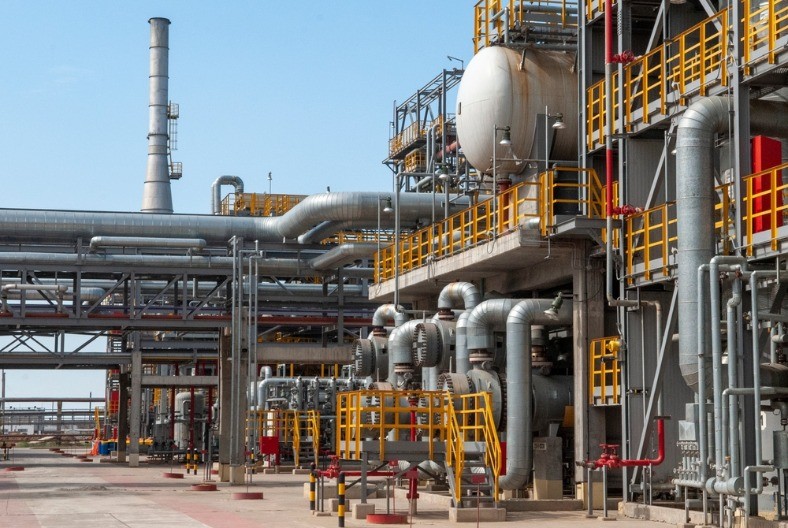

Hungarian energy group MOL and its Slovak subsidiary Slovnaft have submitted a formal complaint to the European Commission against Croatian pipeline operator Janaf, alleging abuse of a dominant or monopolistic position in crude oil transport. Across outlets, coverage agrees that the complaint is linked to disruptions on the Druzhba pipeline, which increased dependence on sea‑borne crude routed through Croatia, making Janaf effectively the only feasible route for landlocked refineries in Hungary and Slovakia. Both sides report that MOL accuses Janaf of delaying the acceptance of crude shipments that are allowed under existing EU and US sanctions and of charging significantly elevated transit fees since around 2022, with figures commonly described as three to four times higher than comparable market rates.
Reports from both opposition and pro-government sources situate the case within the broader EU regulatory framework for energy markets and competition, noting that the European Commission is being asked to assess whether Janaf has violated EU competition and internal market rules. There is general agreement that the supply shock created by limitations on Russian pipeline flows and sanctions has tightened transport options and heightened the importance of alternative routes through Croatia, thereby magnifying any pricing or capacity decisions by Janaf. Both sides recognize that the dispute touches on regional energy security for Hungary and Slovakia, the functioning of cross‑border infrastructure in Central and Eastern Europe, and the EU’s attempt to balance sanctions policy with stable oil supplies.
Areas of disagreement
Nature of Janaf’s conduct. Opposition coverage tends to frame Janaf’s behavior more cautiously, characterizing the allegations as one side of a commercial and regulatory dispute in a stressed regional market where higher tariffs might partly reflect increased risk or investment needs. Pro-government outlets more readily adopt MOL’s language of monopoly abuse, highlighting the claim that Janaf is deliberately delaying permitted shipments and charging three to four times the market price as clear evidence of exploitative behavior. Opposition sources are more likely to raise the possibility that EU sanctions complexity and capacity constraints contribute to delays, whereas pro-government sources stress intentional obstruction and profiteering.
Political framing and motives. Opposition-aligned media, where they cover the story, are inclined to decouple the case from grand narratives about national victimhood, treating it as a technical competition complaint that may also reflect MOL’s own strategic and profit interests. Pro-government outlets instead fold the dispute into a broader narrative of Hungary being unfairly disadvantaged within the EU and in the region, presenting MOL as defending Hungarian and Slovak consumers against a foreign state-linked monopolist. While opposition sources may question whether the government is using the dispute to deflect from domestic energy policy choices, pro-government coverage portrays Budapest and MOL as standing up for energy security against external pressure.
Assessment of EU role and likely outcome. Opposition reporting generally emphasizes the European Commission’s neutrality and due-process role, noting that Brussels will have to weigh complex market data and regulatory precedents before deciding whether Janaf has actually breached EU competition rules. Pro-government outlets, by contrast, often suggest or imply that the Commission should side with MOL to correct what they describe as an obvious distortion harming a member state that is already under strain from sanctions. Opposition sources are more likely to remind readers that the Commission has previously clashed with Hungary on rule-of-law and energy issues, hinting that the outcome is uncertain, whereas pro-government coverage leans on the expectation that EU law, properly applied, will vindicate MOL’s complaint.
Implications for regional energy security. Opposition coverage tends to present the dispute as a symptom of structural overreliance on a narrow set of supply routes and on Russian-linked crude, arguing that both Hungary and its neighbors need broader diversification and better regional coordination regardless of who wins the case. Pro-government media stress the immediate risk that Janaf’s alleged pricing and delays pose to Hungary’s and Slovakia’s refinery operations and fuel prices, warning that unchecked monopolistic behavior could jeopardize supplies. While opposition sources see the episode as highlighting the need to modernize and rebalance energy strategy away from political dependencies, pro-government outlets underscore the vulnerability created by external partners allegedly exploiting Hungary’s landlocked position.
In summary, opposition coverage tends to treat MOL’s complaint as a complex competition and energy-policy dispute requiring cautious judgment and structural reform, while pro-government coverage tends to frame it as a clear-cut case of foreign monopolistic abuse that validates the government’s broader narrative of Hungary being unfairly pressured within the EU.