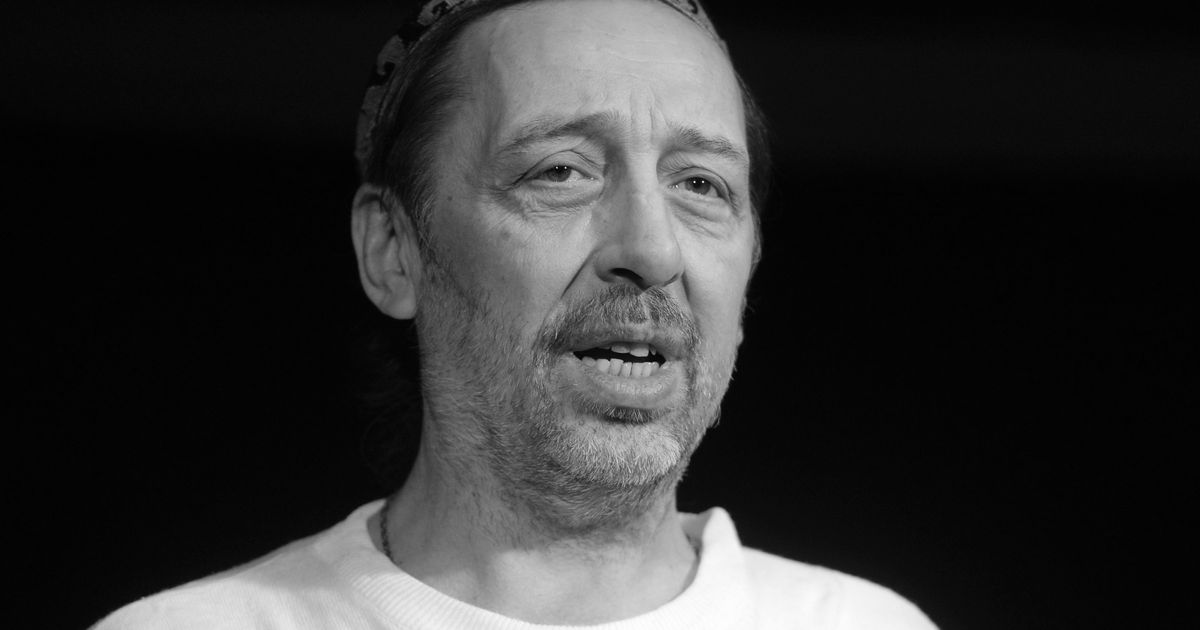


Russian and international coverage agree that Russian playwright, director, actor, and theater teacher Nikolai Koljada died on March 2, 2026, in Yekaterinburg at the age of 68. Both opposition and pro-government outlets describe him as one of the most important contemporary Russian dramatists, widely staged across Russia and abroad, and emphasize that his death prompted a wave of condolences and tributes from theater professionals, former students, and cultural institutions.
Across the spectrum, media note that Koljada founded the Koljada Theatre in Yekaterinburg and played a central role in creating and nurturing the so‑called Ural School of Dramaturgy, where he mentored many young playwrights and actors. They stress that his plays often focused on marginal, unhappy, or socially vulnerable characters, and that his work helped shape post‑Soviet Russian theater by combining dark humor, social critique, and psychological depth within a distinctly regional yet internationally resonant artistic style.
Areas of disagreement
Tone and framing of his legacy. Opposition-aligned outlets tend to highlight Koljada as a symbol of independent artistic thought and regional cultural self-sufficiency, stressing how his theater operated outside Moscow’s centralized cultural power and sometimes brushed against official sensibilities. Pro-government sources, by contrast, frame him primarily as a national cultural treasure whose achievements reflect the strength and diversity of Russian culture as supported by the state. While the opposition emphasizes his artistic restlessness and occasional friction with authorities or conservative audiences, loyalist media focus on his awards, official recognition, and integration into Russia’s mainstream cultural canon.
Political context and censorship. Opposition coverage more readily situates Koljada’s career and death within a broader narrative of tightening state control over culture, mentioning pressures on theaters, censorship risks, and the precarious status of independent stages as a subtext to his work and teaching. Pro-government outlets largely avoid this framing, presenting his theater as thriving within the current system and omitting references to political restrictions or conflicts with officials. Where opposition sources might hint that his dark, socially critical plays resonated precisely because of growing repression, state-aligned media instead stress timeless human themes and professional success without connecting them to present-day political constraints.
International reception. Opposition sources emphasize how frequently Koljada’s plays were staged in Europe and beyond, noting that his international recognition contrasted with what they portray as a sometimes ambivalent attitude of Russian cultural bureaucracies toward nonconformist artists. Pro-government coverage also notes foreign productions and acclaim but tends to present them as proof of Russia’s soft power and the global appeal of state-supported culture, rather than as validation of a more independent or critical tradition. In this way, the same tours and translations are cast either as an escape valve for independent Russian art or as a triumph of Russian cultural policy.
Future of his institutions. Opposition-leaning media often raise concerns about the fate of Koljada Theatre and the Ural School of Dramaturgy in an environment they see as increasingly hostile to experimental or socially critical work, speculating that leadership changes or funding pressures could dilute his legacy. Pro-government outlets instead stress continuity, quoting officials, colleagues, or students who pledge to preserve and develop his institutions, framing them as stable pillars of regional and national culture. Where opposition commentary warns of possible bureaucratic takeover or ideological softening, loyalist reporting projects confidence that state and local authorities will safeguard what Koljada built.
In summary, opposition coverage tends to cast Koljada as an emblem of independent, sometimes embattled artistic freedom operating under growing cultural and political constraints, while pro-government coverage tends to portray him as a celebrated national classic whose life’s work flourished thanks to, and will be securely preserved within, Russia’s existing cultural system.