


pro-government
SERBIA LOST AGAIN: Biberović and Yurtseven too strong for the 'Eagles'!
The host defends its undefeated streak, while the Eagles prepare for revenge.
a month ago
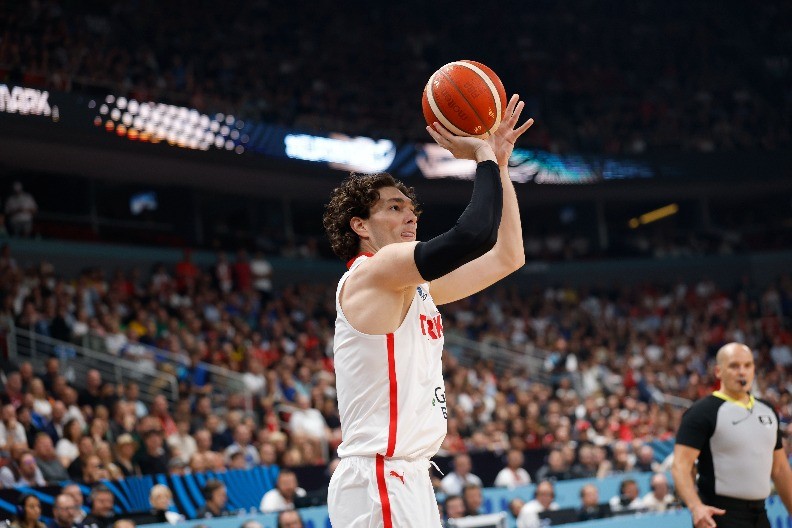
Serbia’s national basketball team lost to Turkey 94:86 in Istanbul in a FIBA World Cup European qualifier, a result all outlets report as Serbia’s second defeat to Turkey in this qualifying window. Reports agree that Turkey took control early, maintained a lead through most of the game, and repeatedly repelled Serbian comeback attempts despite some strong individual performances from Serbian players. Coverage notes that this was Serbia’s second loss in Group C, leaving them with a 2–2 record, while Turkey moved to 4–0 and secured first place in the group with two rounds remaining. Both sides of the media landscape describe Istanbul as a difficult away venue, acknowledge Turkey’s quality and depth, and highlight key Turkish contributors such as Biberović and Yurtseven, who were decisive in stretching and protecting the lead.
Outlets from both camps agree that Serbia’s path to the 2027 World Cup in Qatar is now more complicated but not yet jeopardized, since the top three teams from Group C still advance to the second qualifying phase. There is consensus that Serbia will carry their current points into a new group with qualifiers from Group D and will have to face teams such as Bosnia and Herzegovina and Switzerland, alongside stronger opposition from the other group, to clinch one of three World Cup spots. Both opposition and pro-government reporting frame the scheduling and roster-selection system as a structural constraint, pointing to player absences and roster turnover as a chronic issue affecting national-team performance. Shared context emphasizes that the current defeat must be read not as an isolated upset but as part of a multi-window qualification format where consistency, depth, and availability of top players across club and national commitments are decisive.
Responsibility and blame. Opposition outlets tend to assign primary responsibility for the defeat to the basketball federation and, indirectly, to the broader political leadership, arguing that systemic mismanagement and interference have weakened the national program. They emphasize long-running administrative issues, inadequate planning, and a lack of accountability for consecutive failures in major qualification cycles. Pro-government media, by contrast, largely shield the federation and political authorities, framing the loss as a product of normal sporting fluctuation and tough scheduling, and they focus blame instead on bad shooting nights and the inherent difficulty of away games in Istanbul.
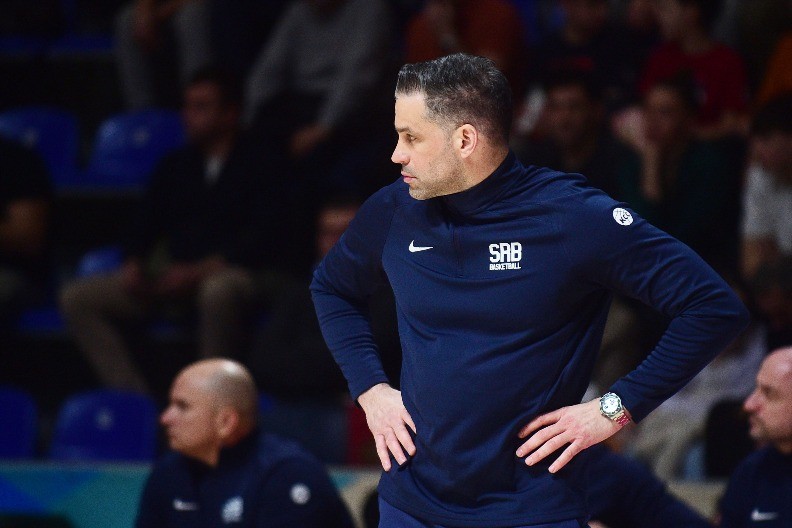
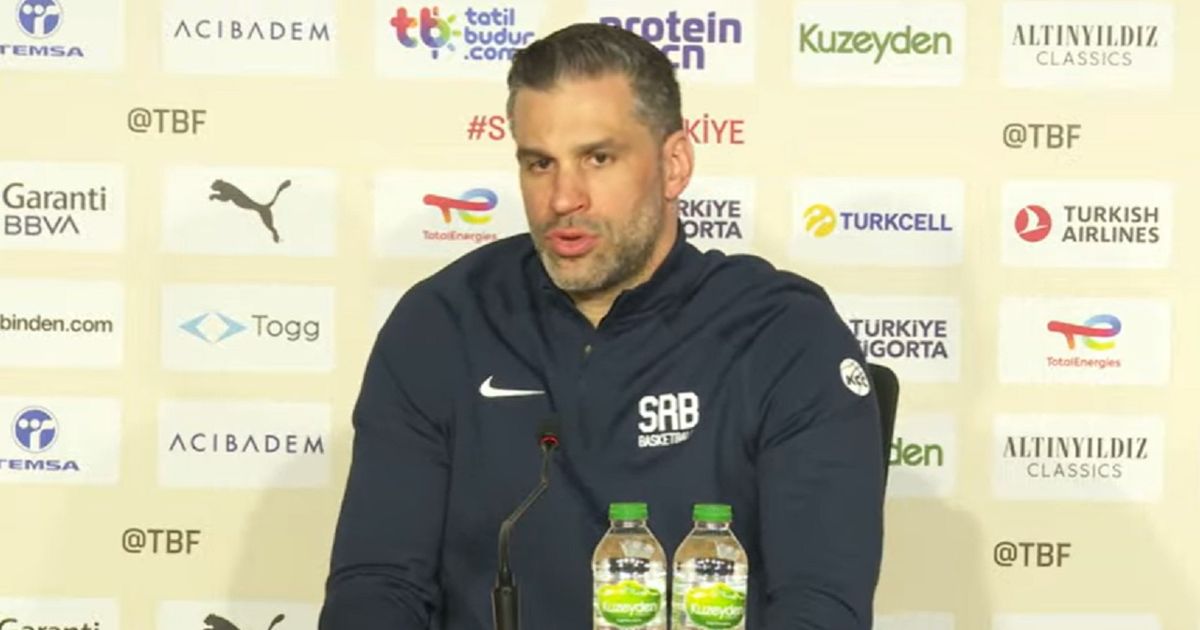
Framing of the coach and players. Opposition sources generally portray coach Dušan Alimpijević’s criticism of the system as an implicit indictment of the authorities, underlining his “madness” and “stupidity” remarks as evidence of deep structural rot and suggesting the staff were left with an unfairly weakened roster. They are more likely to question squad selection, preparation, and the overall strategy that led to relying on improvised lineups. Pro-government outlets, however, highlight Alimpijević’s pride in his team’s character, praising the players’ fight and emphasizing youth and inexperience as mitigating factors, using his quotes mainly to show that the team deserves support rather than scrutiny.
Interpretation of structural problems. Opposition coverage treats the clash between club schedules and national-team windows as a symptom of Serbia’s diminished influence in international basketball governance, claiming that domestic officials have failed to secure better conditions or protect national interests. They often connect this to a broader narrative of institutional decline and politicization of sports. Pro-government media acknowledge the scheduling conflict but present it as an external constraint set by FIBA and club competitions, stressing that all national teams face similar problems and that Serbia is doing its best within an unfavorable global system.
Political symbolism of the result. Opposition outlets are inclined to use the loss as another metaphor for national underperformance under the current ruling establishment, linking the complicated qualification scenario to themes of stagnation, missed opportunities, and overreliance on past glories. They may contrast Turkey’s apparent organizational coherence and upward trajectory with what they describe as Serbia’s drift and complacency. Pro-government reporting generally avoids political analogies, framing the game strictly as a sports event and, when comparisons are made, presenting Serbia as a resilient basketball nation temporarily set back but still on course to qualify, thus reinforcing a narrative of perseverance rather than decline.
In summary, opposition coverage tends to read the defeat as evidence of systemic and politically driven mismanagement that jeopardizes Serbia’s basketball stature, while pro-government coverage tends to normalize the setback as a difficult but manageable sporting result shaped by external constraints and emphasize the team’s effort and future chances.