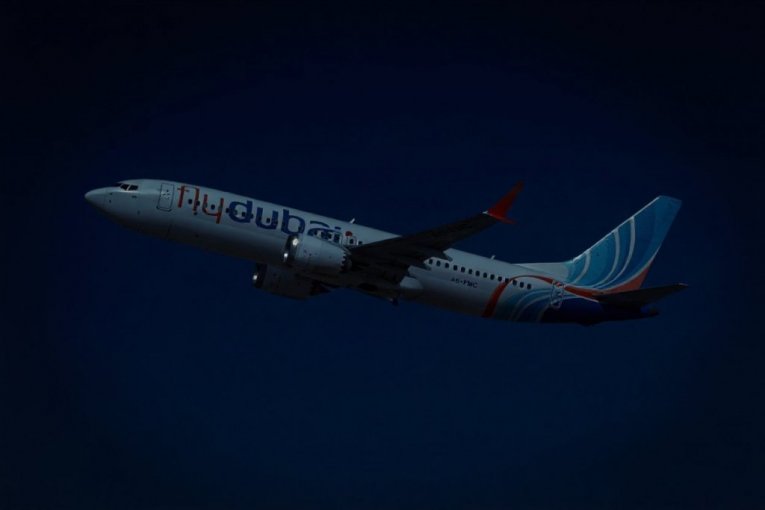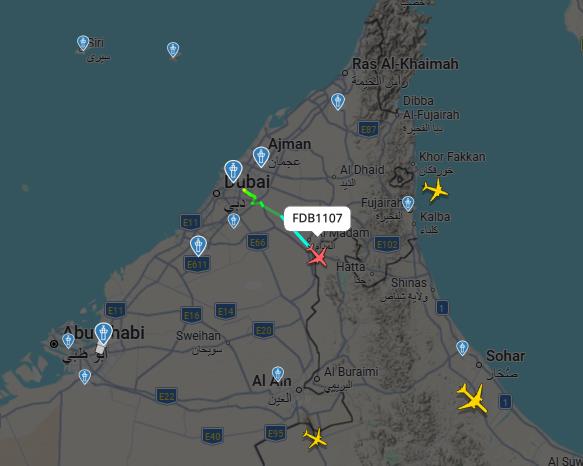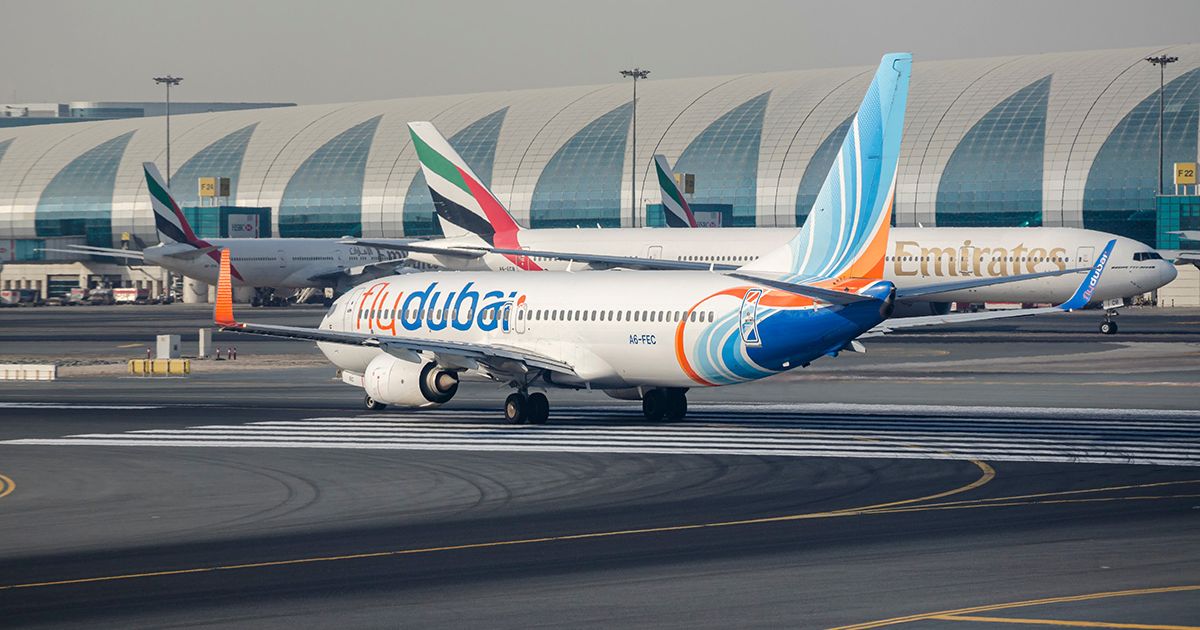


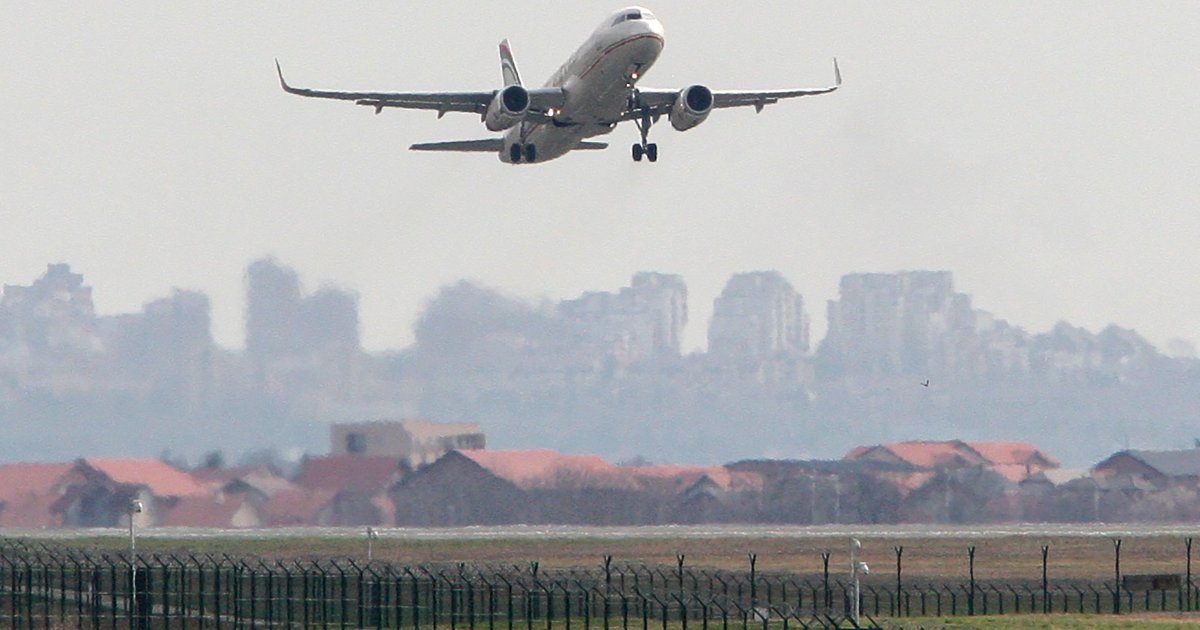
A Flydubai flight (FZ1107) from Dubai to Belgrade, operated by a Boeing 737 MAX 8 and carrying Serbian citizens, departed more than two hours behind schedule before dawn local time, with landing expected shortly before 6 a.m. in Belgrade. Both opposition and pro-government-leaning accounts agree that the delay came amid heightened regional tensions and temporary disruptions to airspace in the wider Gulf area, prompting rerouting of flights and making this particular flight one of the most tracked in the world on FlightRadar24, with tens of thousands following it live.
Across the spectrum there is broad agreement that the delay and uncertainty occurred in the context of a regional military escalation that led to temporary airspace closures and the need for alternate routes over Saudi Arabia, Oman, or other corridors, rather than over the most sensitive conflict zones. Both sides acknowledge that Serbian institutions, particularly the Ministry of Foreign Affairs and its crisis headquarters, were formally activated to monitor the situation of Serbian citizens in the UAE and coordinate with local authorities and carriers. They also concur that Air Serbia, though not the operator of the flight, became a central institutional voice, issuing statements about flight status and emphasizing the security environment, while official channels urged citizens in the region to stay in contact with diplomatic missions and follow security guidance.
Areas of disagreement
Responsibility and blame. Opposition-aligned sources tend to frame the delay and confusion as a symptom of inadequate crisis preparedness and slow, reactive decision-making by Serbian authorities, implicitly questioning whether the government and national airline had contingency plans for regional conflict spillover. Pro-government outlets instead emphasize that the situation was driven primarily by external security conditions and airspace closures beyond Serbia’s control, presenting the state and airlines as responsibly adapting to evolving NOTAMs and international safety protocols. While critical coverage dwells on the anxiety of passengers and families as a governance failure, loyalist coverage stresses that, given the complexity of the regional conflict, the delay itself demonstrates a priority on safety over speed.
Role of Air Serbia and Flydubai. Opposition narratives typically highlight blurred lines between responsibilities of Flydubai as the operating carrier and Air Serbia as the national airline, sometimes suggesting that official communications were confusing or late and that authorities tried to deflect from their own obligations to citizens abroad. Pro-government media clearly separate operational responsibility (Flydubai) from informational and consular responsibilities (Air Serbia and the state), underlining Air Serbia’s statements about accurate reporting and insisting it went beyond its strict duties to inform the public. Where critics may portray Air Serbia as defensive and worried about its image, supportive outlets depict it as a professional coordinator and key reassurance channel in a complex multinational air-traffic environment.
Media conduct and information control. Opposition-oriented coverage is more likely to defend intense, real-time media scrutiny of the delayed flight and to frame high tracking numbers on platforms like FlightRadar24 as evidence of justified public concern and a demand for transparency. Pro-government sources criticize what they call sensationalism and irresponsible speculation, echoing Air Serbia’s warnings about uninformed or malicious commentary that could scare families and undermine trust in institutions. In this view, critical outlets and social media users are portrayed as exploiting a security-sensitive situation for clicks or political gain, while opposition voices tend to see such criticism as an attempt to chill investigative reporting and centralize messaging under government-friendly channels.
Government crisis management. Opposition media often suggest that the establishment of a crisis headquarters and subsequent statements by the Ministry of Foreign Affairs were reactive public relations moves, coming after citizens had already felt stranded and left without clear guidance in the UAE. Pro-government outlets present the crisis headquarters as swift, organized crisis management, emphasizing coordination with diplomatic missions, planning of alternative routes, and constant contact with citizens as proof that the state took the situation seriously from the outset. While critics question whether these mechanisms worked effectively for all affected passengers, loyalist reporting highlights the eventual safe departure of the flight and the promise of ongoing institutional support as validation of the government’s approach.
In summary, opposition coverage tends to portray the delayed flight as exposing shortcomings in crisis readiness, communication, and media freedom, while pro-government coverage tends to frame it as a well-managed safety-first response to an external regional conflict, with overreaction and sensationalism pinned on critical media rather than on the authorities.
Story coverage