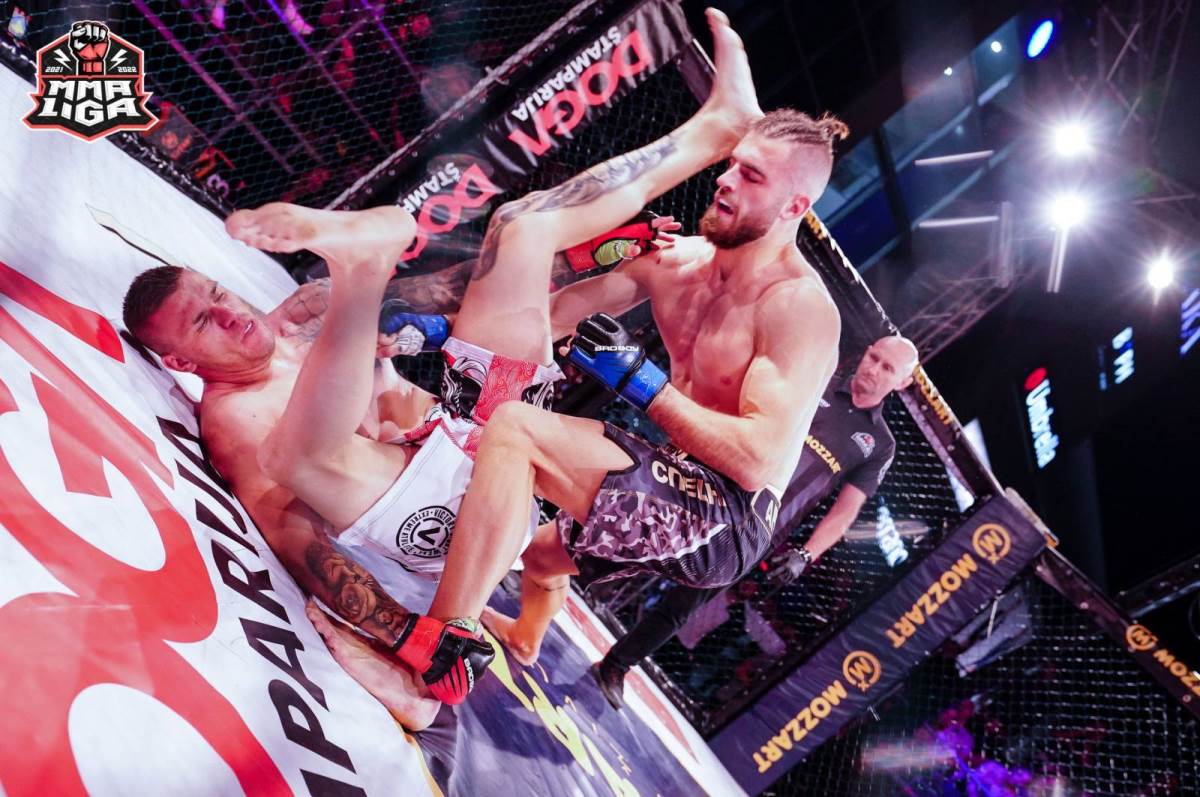
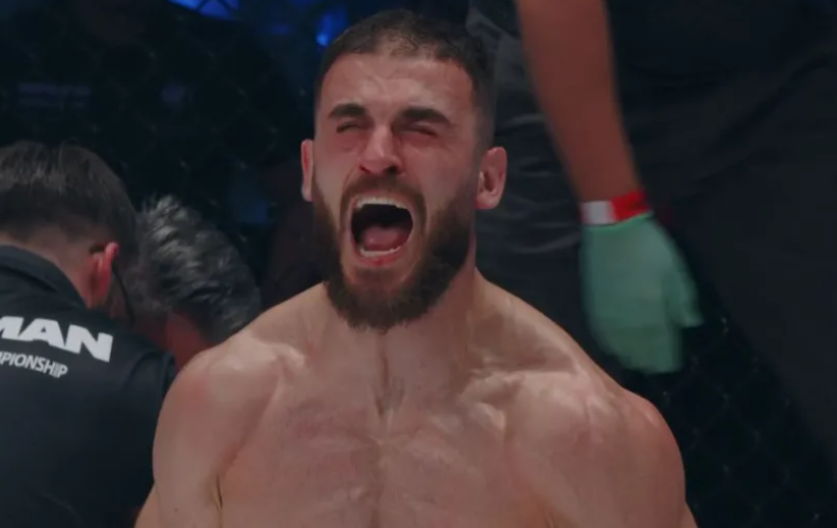
Jovan Marjanović, a Serbian MMA fighter, competed at the FNC 28 event held in Slavonski Brod, Croatia, where he faced Greek opponent Simeon Karslidis. All available reports agree that Marjanović endured a difficult first round but came back to win by knockout in the second round, marking an important return to form after a previous heavy defeat. In his post-fight interview inside the cage, he delivered an emotional speech in which he revealed that he was meant to baptize his godchild, who died just ten days before the bout, and he publicly dedicated the victory to her memory.
Coverage also consistently notes that Marjanović expressed gratitude toward his supporters and the medical staff who helped him prepare for the fight under challenging personal circumstances. Outlets agree that the crowd reaction in the Croatian arena was strongly emotional, with many in attendance reportedly moved to tears by his story. The shared framing presents the dedication as an intensely personal gesture that transcended the sporting result, turning a routine MMA win into a moment of shared grief and solidarity between athlete and audience.
Areas of disagreement
Political framing and symbolism. Opposition-aligned sources tend to frame the event, when they cover it, as a largely apolitical human story of loss and resilience, emphasizing that a Serbian fighter was embraced in a Croatian arena in a way that subtly undercuts nationalist narratives on both sides. Pro-government outlets, by contrast, stress the national identity of Marjanović as a Serbian who “made Croatia cry,” presenting his emotional speech as a moment of Serbian pride that resonates beyond sport. Where opposition coverage might highlight cross-border empathy and the universality of grief, pro-government reporting leans into symbolic victory and national visibility for a Serbian athlete on foreign soil.
Tone toward media and institutions. Opposition sources, when they mention the broader media environment, are more likely to be skeptical of sensationalist headlines and to downplay dramatized elements such as the fighter’s scream or the arena’s reaction, positioning themselves as guarding against exploitation of private tragedy. Pro-government outlets more readily adopt vivid, tabloid-style language, amplifying phrases like “made Croatia cry” and focusing on the theatrical aspects of the knockout and post-fight roar, presenting them as proof of the story’s emotional impact. Thus, opposition narratives tilt toward restraint and dignity, while pro-government pieces foreground spectacle and mass affect.
Use of tragedy in narrative. Opposition-leaning coverage is inclined to treat the godchild’s death as a solemn backdrop, carefully limiting detail and warning implicitly against turning personal grief into a propaganda tool, instead stressing the mental strain athletes face when competing under such burdens. Pro-government media more openly integrates the tragedy into a heroic arc, emphasizing that Marjanović fought and won “for” his deceased godchild, reinforcing a story of sacrifice, determination, and almost mythic motivation. This creates a contrast between an introspective reading of grief and a celebratory, narrative-driven use of the same event.
Implications for regional relations. Opposition outlets may use the scene of a Serbian fighter being cheered and deeply empathized with in Croatia as an opening to discuss reconciliation, mutual respect, and the possibility of sport softening long-standing regional tensions. Pro-government outlets, instead, tend to keep the focus on how strongly a Serbian narrative resonated in a Croatian venue, framing it as recognition of Serbian strength and emotional authenticity rather than as a broader political lesson. In doing so, opposition coverage leans toward a message of shared humanity across borders, while pro-government coverage reinforces a primarily national lens on cross-border reception.
In summary, opposition coverage tends to frame Marjanović’s dedication as a human, cross-border moment of shared grief and restraint in the use of tragedy, while pro-government coverage tends to emphasize national pride, emotional spectacle, and a heroic narrative built around a Serbian athlete moving a Croatian crowd.