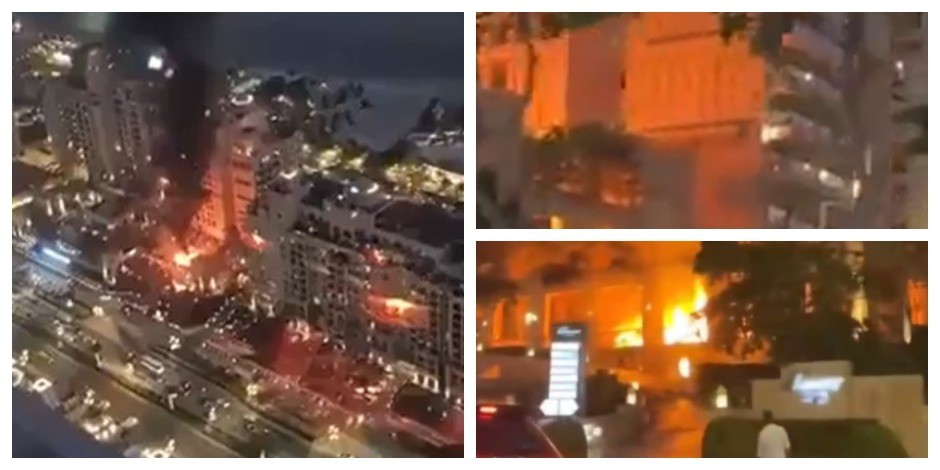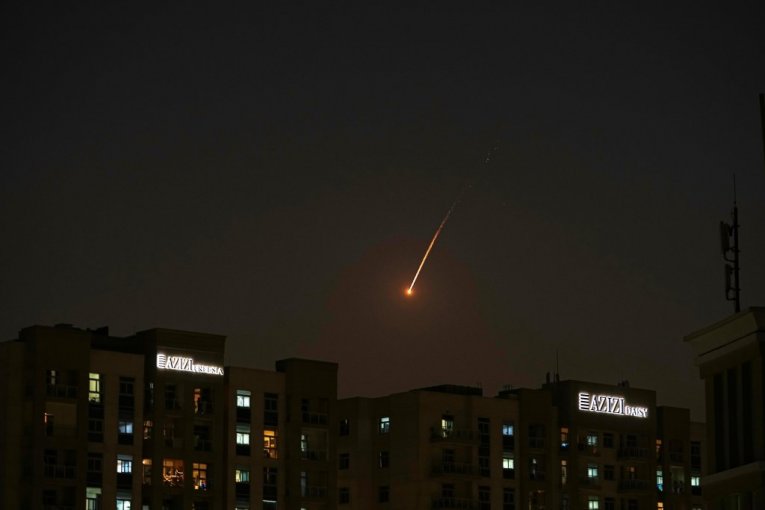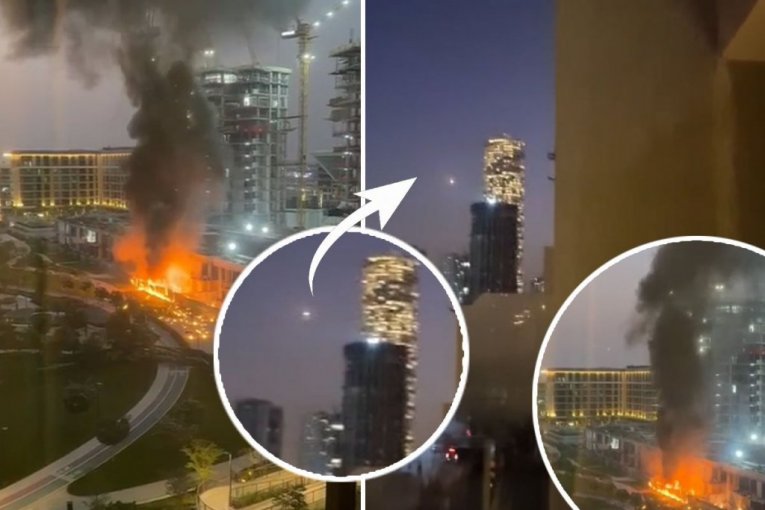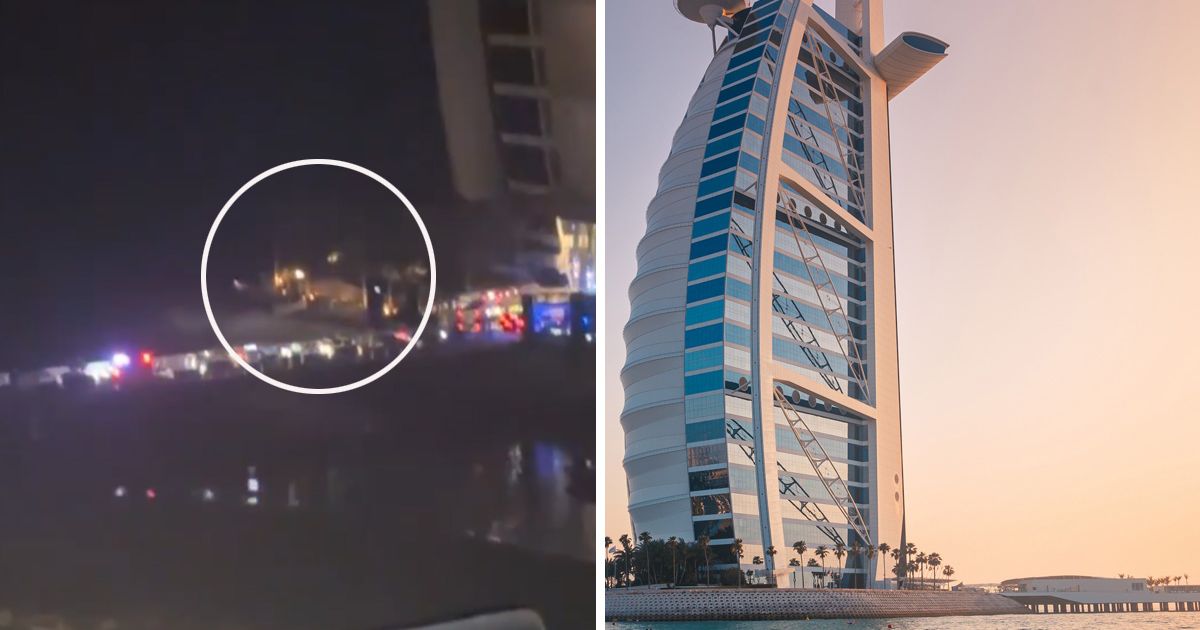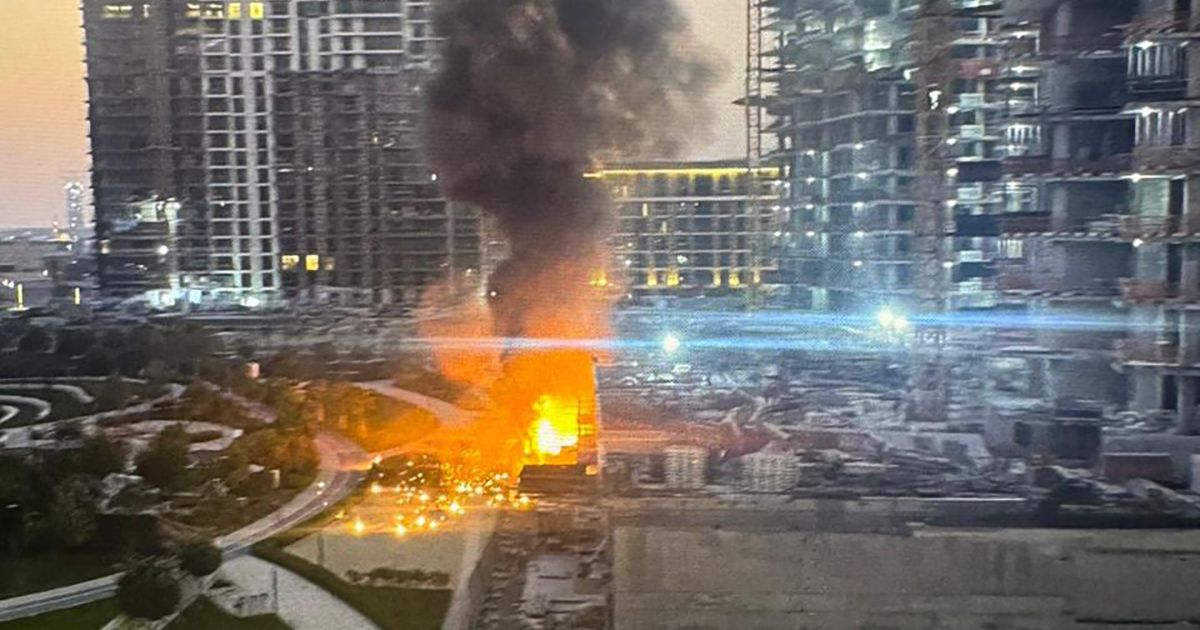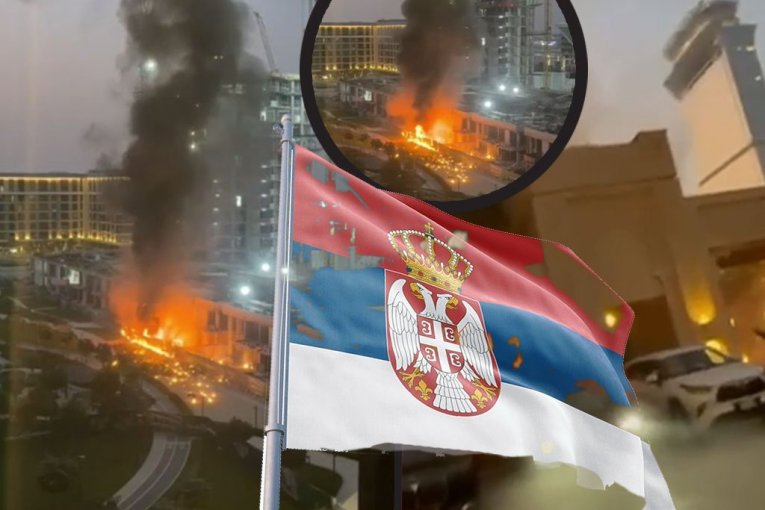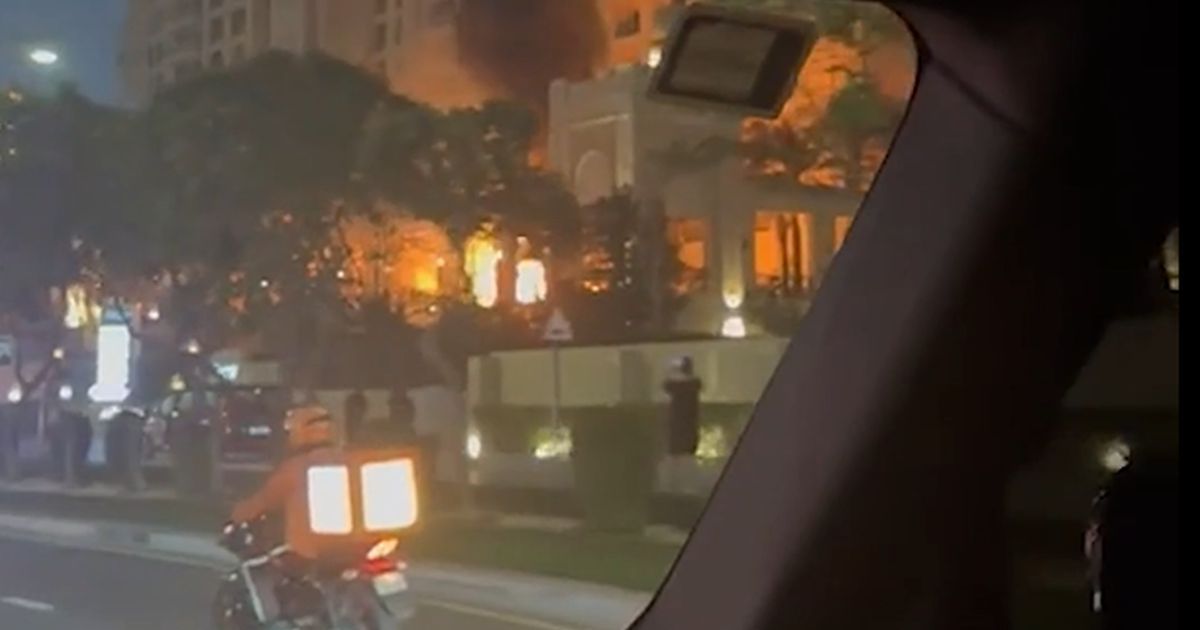



Iran has launched a series of retaliatory strikes across the Gulf region following earlier US‑Israeli attacks on its territory, with both opposition and pro-government coverage agreeing that Dubai was among the locations hit by Iranian missiles and drones. Across the spectrum, reports converge that explosions were heard in multiple parts of Dubai, air-raid style warnings and SMS alerts urged residents and visitors to seek shelter, and that at least one luxury hotel and parts of the city’s central business and tourism districts experienced fires. There is shared acknowledgment that a projectile or debris struck near or on the Burj Al Arab, causing a fire on its exterior, that drones of the Shahed‑136 type and at least one ballistic missile were involved in the broader regional assault, and that Dubai International Airport operations were disrupted with evacuations and injuries reported. Media on both sides cite UAE authorities confirming the interception of several incoming Iranian missiles, visible intercept explosions over the city, and fires in areas such as Palm Jumeirah and Business Bay, while casualty figures in Dubai itself remain relatively low compared with the dramatic images of burning structures.
Coverage from both opposition and pro-government outlets situates the strikes within a wider regional escalation, framing Iran’s actions as a direct response to prior US and Israeli attacks on Iranian targets. There is cross-cutting agreement that US bases, Israel, and several Gulf states including the UAE, Qatar, Bahrain, and Kuwait were part of Iran’s declared target set, and that airspace disruptions and flight suspensions affected not only Dubai but airports across the region. Both sides refer to the UAE Ministry of Defense as a central institutional actor, issuing interception statements and coordinating civil protection alerts, and portray Dubai’s normally secure, business- and tourism-focused image as being shaken by visible warfare-like scenes. The shared narrative emphasizes that while the attacks are militarily directed at regional power balances and foreign military infrastructure, they also have immediate implications for civilian safety, aviation, and the reputation of Gulf financial and tourism hubs.
Areas of disagreement
Scale and severity of the attacks. Opposition-aligned sources describe the strikes on Dubai, including the fire at the Burj Al Arab, as limited in scope and largely symbolic, stressing that damage was mostly superficial and quickly contained with relatively few casualties. Pro-government outlets, by contrast, frame Dubai as “burning,” emphasize multiple large fires in Business Bay, Palm Jumeirah, and luxury hotels, and pair dramatic footage with language suggesting a city-wide crisis. While opposition media tend to downplay long-term disruption and highlight rapid restoration of order, pro-government coverage amplifies the visual impact of smoke plumes, burning facades, and evacuations to underline the vulnerability of Gulf urban centers.
Responsibility and strategic framing. Opposition sources typically cast Iran’s strikes as reckless escalation that indiscriminately endangers civilians and key economic infrastructure, even when nominally aimed at US or Israeli assets. Pro-government outlets generally present the operation as a calibrated, retaliatory “counter-attack” by Iran against prior US-Israeli aggression, portraying any damage in Dubai and neighboring states as collateral within a justifiable strategic response. Whereas opposition media emphasize Iran’s agency and blame in choosing to hit or risk hitting civilian-heavy areas like iconic hotels and airports, pro-government narratives stress that the underlying responsibility lies with Washington and Tel Aviv for bringing the conflict into the Gulf.
Role and portrayal of the UAE authorities. Opposition coverage tends to credit UAE defense and civil agencies for intercepting most incoming missiles, limiting casualties, and managing airport disruptions, thereby reinforcing an image of state competence and resilience. Pro-government outlets, while also citing official interception statements, often foreground the chaos felt by residents and tourists, shared via social-media testimonies, to suggest that the authorities were overwhelmed and the city was effectively under siege. Opposition narratives highlight rapid firefighting responses at sites like Burj Al Arab and business hotels to argue that institutional preparedness worked, whereas pro-government reports linger on warnings such as “seek shelter immediately” and repeated blasts to suggest that conventional security assurances in the UAE have been punctured.
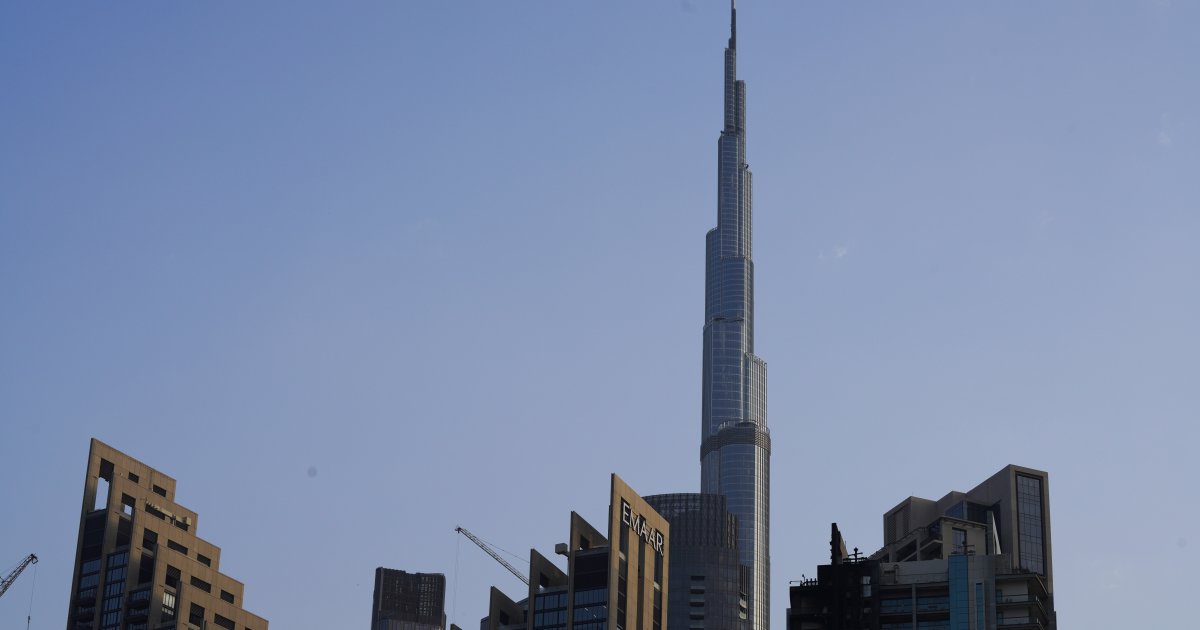
Impact on regional stability and symbolism. Opposition-aligned media generally warn that hitting high-profile civilian landmarks in Dubai undermines Iran’s regional standing, alienates neutral or balancing states like the UAE, and risks broader economic fallout in energy and finance markets. Pro-government coverage, however, leans into the symbolism of missiles and drones exploding near Burj Khalifa, Burj Al Arab, and Palm Jumeirah as evidence that Western-aligned Gulf skylines are no longer immune from the consequences of policies toward Iran and Israel. Where opposition outlets stress the need to protect trade, tourism, and expatriate communities from being drawn into proxy wars, pro-government narratives portray the imagery of burning luxury hotels as a potent signal that previous red lines around elite enclaves and iconic towers have been erased by the conflict’s spread.
In summary, opposition coverage tends to minimize the operational success and strategic legitimacy of Iran’s strikes while stressing civilian risk and institutional resilience in Dubai, while pro-government coverage tends to dramatize the scale and symbolism of the damage, foreground personal testimonies of fear, and frame Iran’s actions as a consequential but justified response to prior US-Israeli attacks.
Story coverage