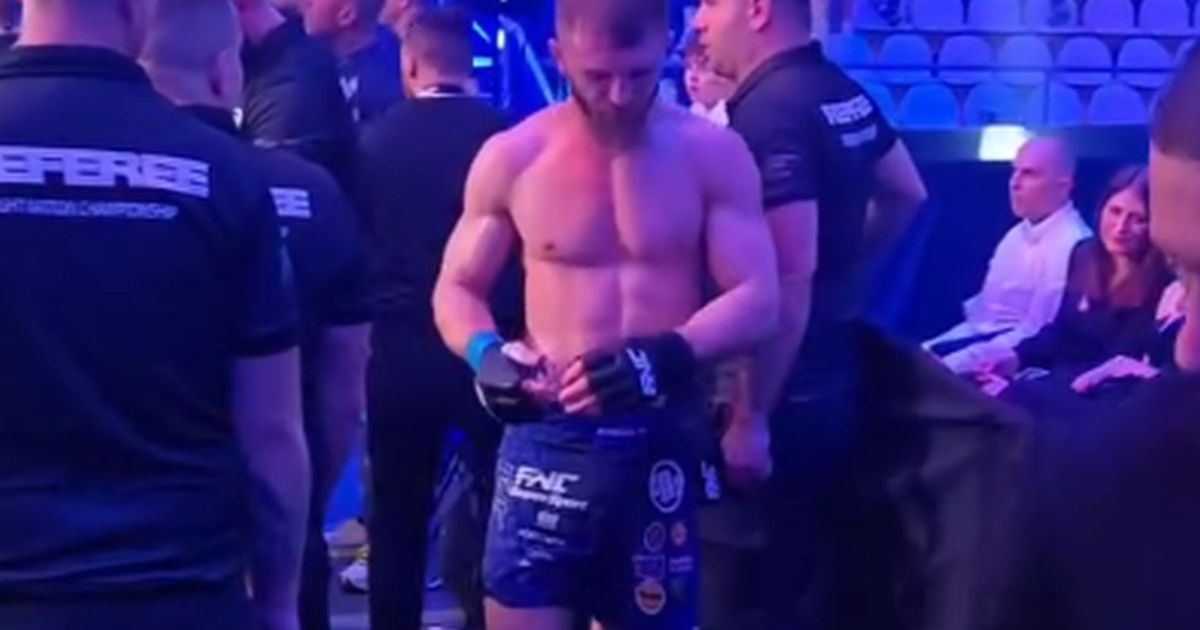
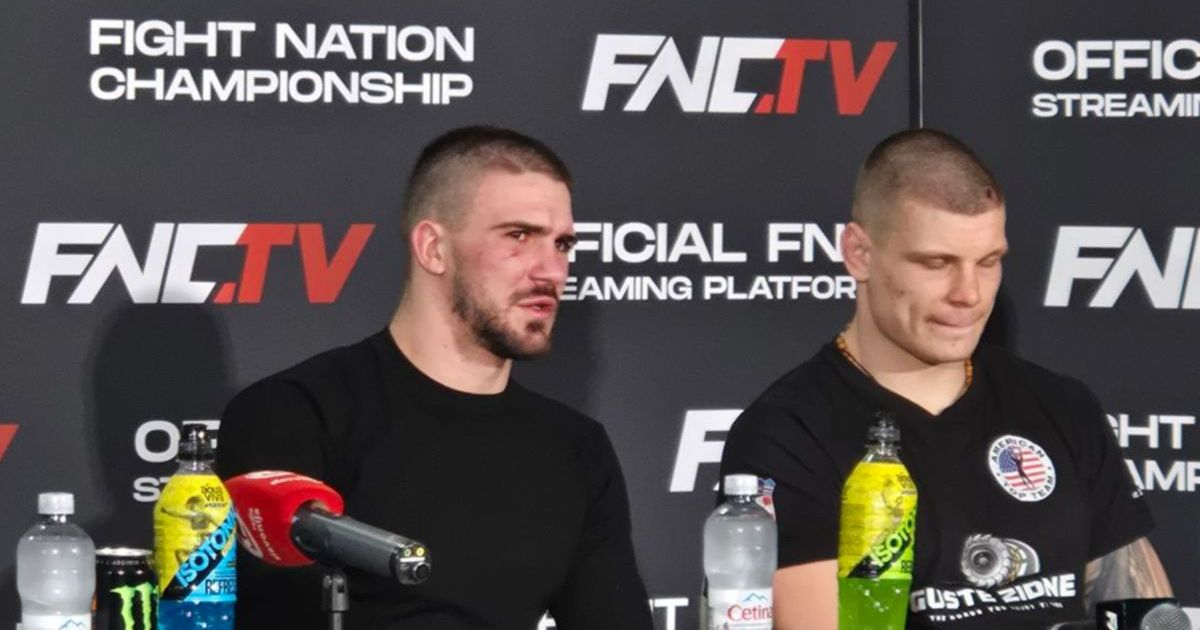
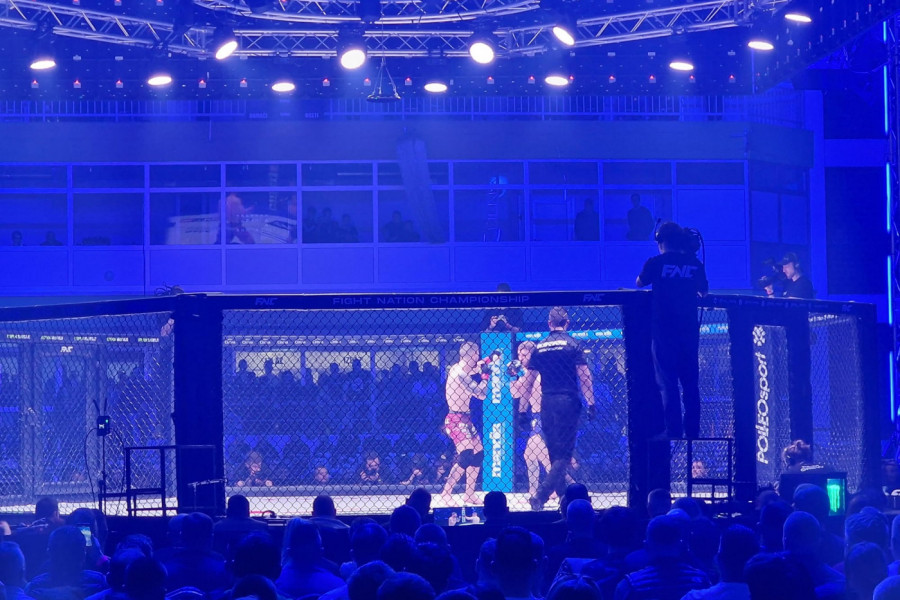
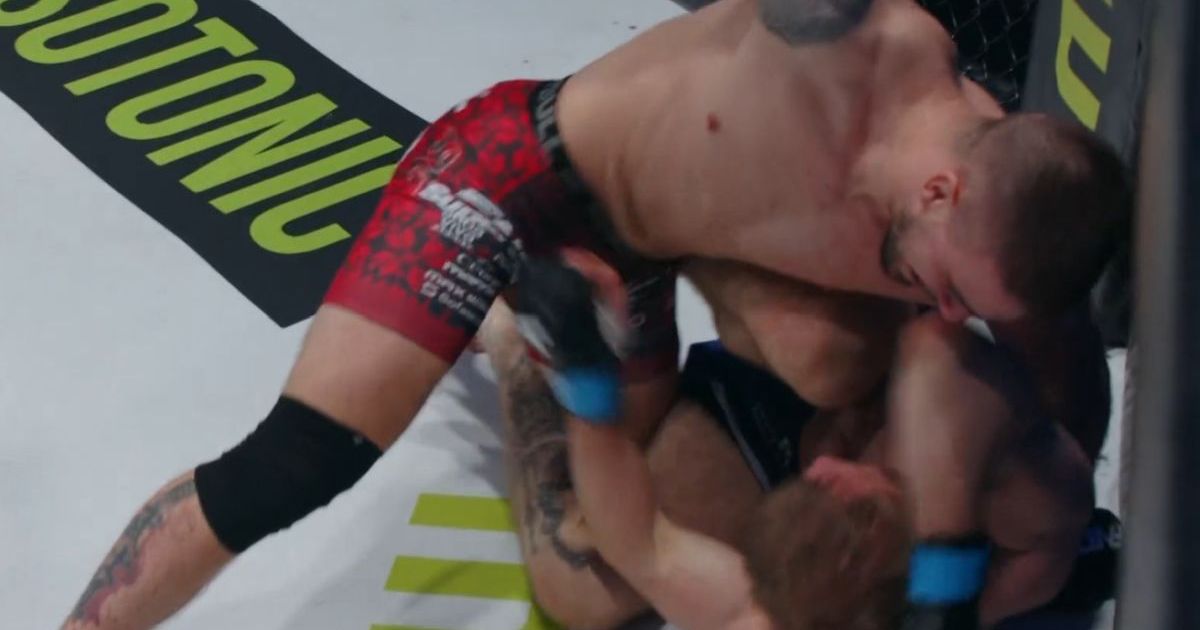
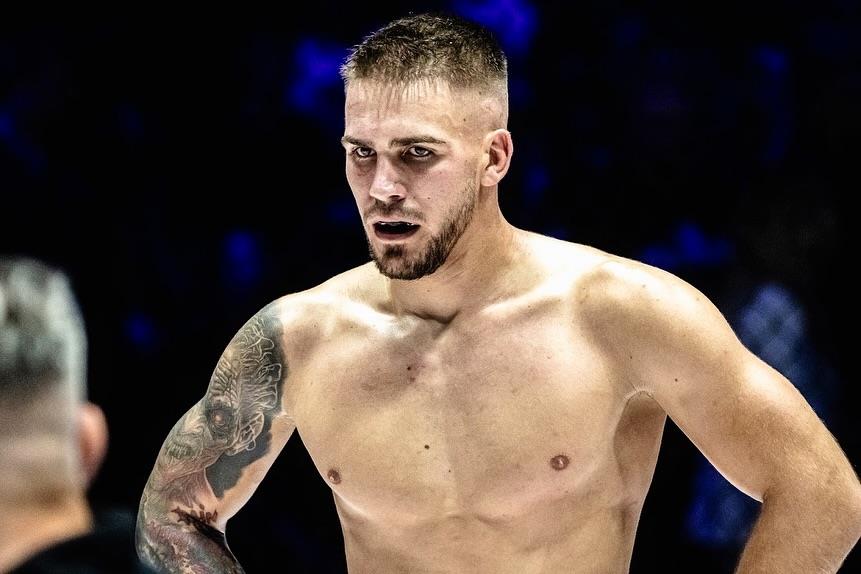
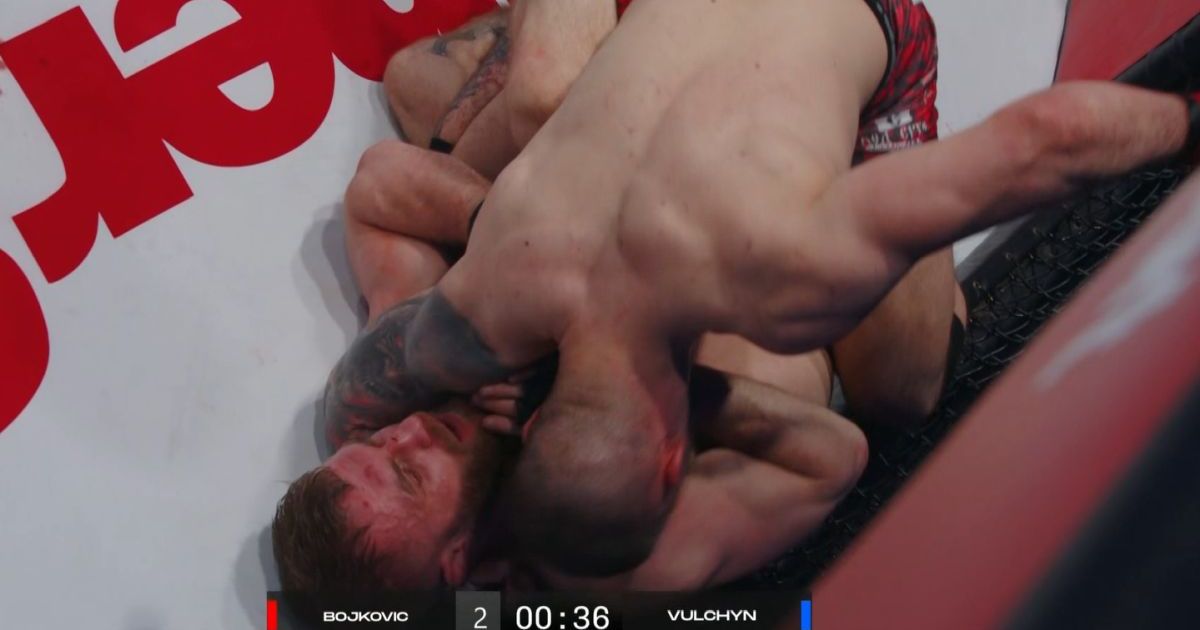
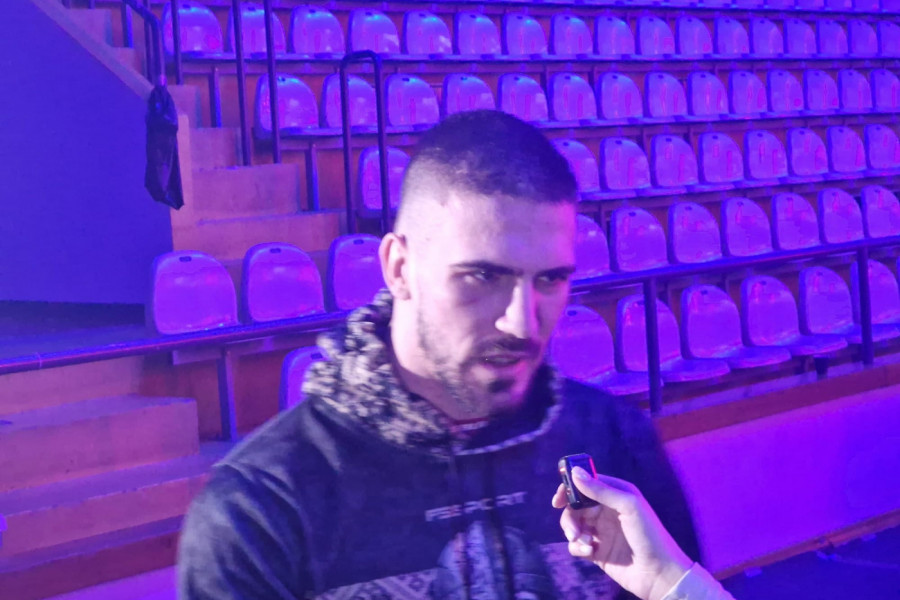
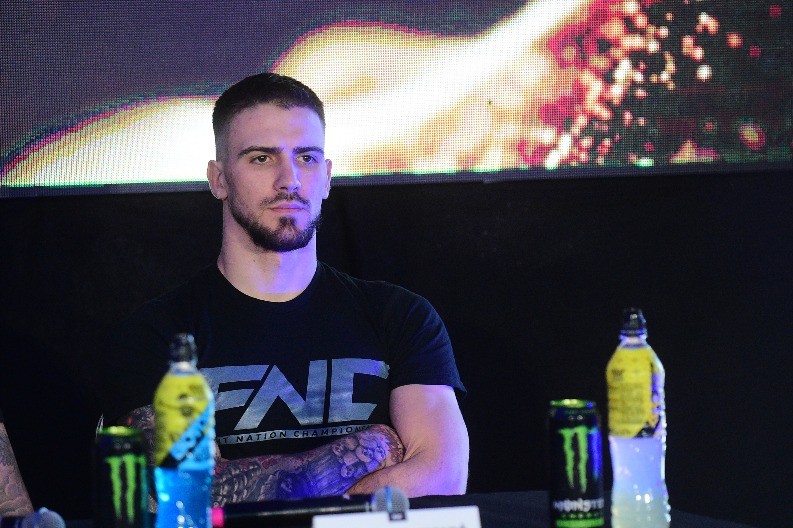
Marko Bojković, a Serbian MMA fighter, defeated Ukrainian opponent Ivan Vulchin by technical knockout at the FNC 28 event held in Slavonski Brod, Croatia. Both opposition and pro-government-leaning coverage agree that the bout was intense and largely one-sided in its later stages, with Bojković scoring multiple knockdowns and inflicting visible damage before the referee stoppage in the third round, though some reports describe a decisive sequence already in the second. The win is consistently framed as a key moment in Bojković’s professional record, putting him back on a winning track after recent losses and bringing his tally to nine career victories, while Vulchin’s record moves to 13 wins, 8 losses, and 1 draw.
Across the spectrum, outlets situate the fight within the broader regional MMA scene, noting FNC as a growing promotion that stages high-profile cards in the Balkans and pairs local stars with international opponents. Coverage converges on the idea that this matchup was billed as a long-awaited spectacle, important not only for Bojković’s comeback narrative but also for FNC’s brand as an entertainment-focused organization blending sport and showmanship. There is shared recognition that Bojković’s aggressive, striking-heavy style and his post-fight comments about his punching power and seeing “pieces of meat” fit an established persona of a hard-hitting finisher, and that his performance helps reinforce FNC’s positioning as a platform where regional fighters can reboot or elevate their careers after setbacks.
Areas of disagreement
Framing of the spectacle. Opposition-aligned outlets tend to treat the fight as a solid sporting event but are more restrained about calling it a historic or extraordinary spectacle, describing it as one of several notable bouts on the FNC 28 card. Pro-government media, by contrast, repeatedly label the match as a long-awaited show and emphasize superlatives around brutality and dominance, using dramatic language and visuals of Vulchin’s injuries to heighten the sense of a national sporting moment. While both sides acknowledge the crowd interest and action in the cage, pro-government outlets stretch further to present the fight as a marquee narrative of Serbian prowess.
National and political subtext. Opposition sources, where they cover the bout, treat the Serbian–Ukrainian matchup largely as coincidental and keep geopolitical implications at arm’s length, focusing on rankings, records, and FNC’s matchmaking logic. Pro-government outlets, however, subtly lean into national framing by repeatedly stressing that a Serbian fighter destroyed a Ukrainian in Croatia, allowing the event to echo broader regional rivalries without stating them outright. This creates a backdrop in which the same TKO win is read by opposition media as a technical sports result but by pro-government media as a soft affirmation of national strength.
Tone toward violence and fighter safety. Opposition coverage generally acknowledges the severity of the strikes and Vulchin’s visible injuries but is more likely to mention the toll of the punishment and the referee’s role in stopping the contest. Pro-government coverage dwells on the brutality aesthetic, showcasing close-ups of Vulchin’s battered face, emphasizing how he “barely walks,” and celebrating Bojković’s descriptions of seeing flesh and meat without much concern for restraint. Where opposition outlets might hint at the harshness of MMA’s damage, pro-government outlets elevate the spectacle of violence as proof of Bojković’s power and entertainment value.
Portrayal of Bojković’s character. Opposition-aligned reporting tends to present Bojković as an emotionally charged but professional athlete whose trash talk about rematches and opponents is part of the promotional game, occasionally noting contradictions in his statements without glorifying them. Pro-government outlets enthusiastically reproduce his outbursts, including expletive-laden comments toward potential rivals and boasts that no one can withstand his fists, framing them as charismatic bravado rather than something to be critically examined. As a result, opposition media see a talented but sometimes impulsive fighter navigating career pressure, while pro-government media push an image of an unfiltered, fearsome “Skull crusher” embodying toughness and national pride.
In summary, opposition coverage tends to treat Bojković’s TKO of Vulchin as a notable but primarily sporting result placed within FNC’s competitive landscape, while pro-government coverage tends to amplify the fight’s brutality, national symbolism, and Bojković’s aggressive persona to craft a larger narrative of Serbian dominance and spectacle.