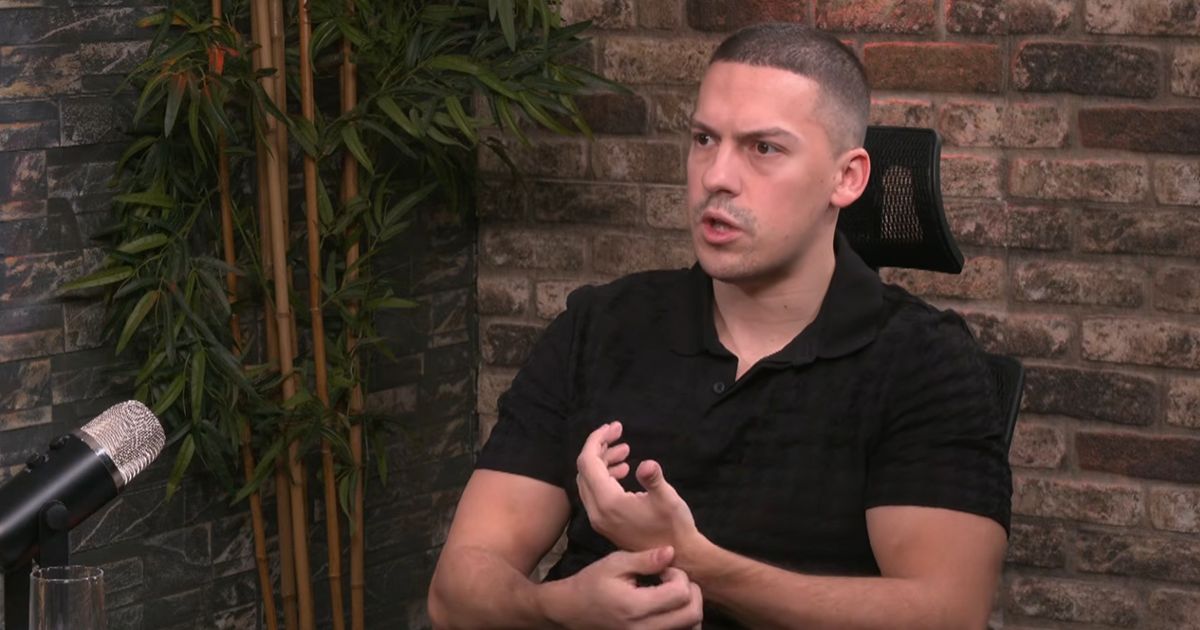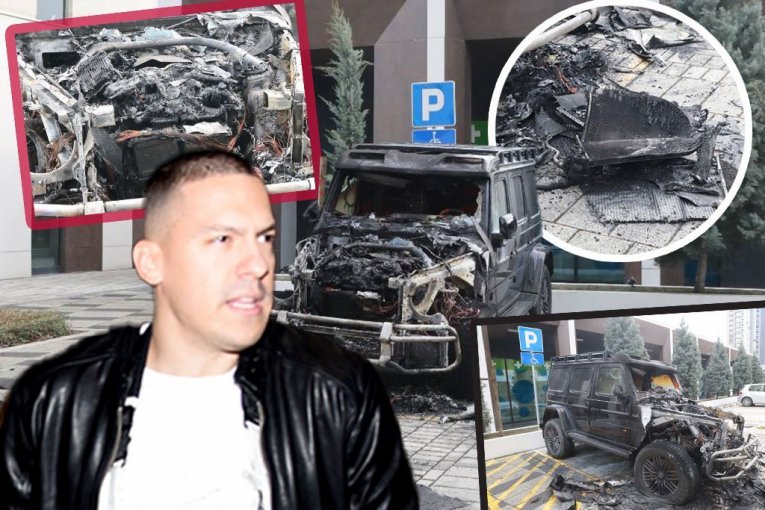

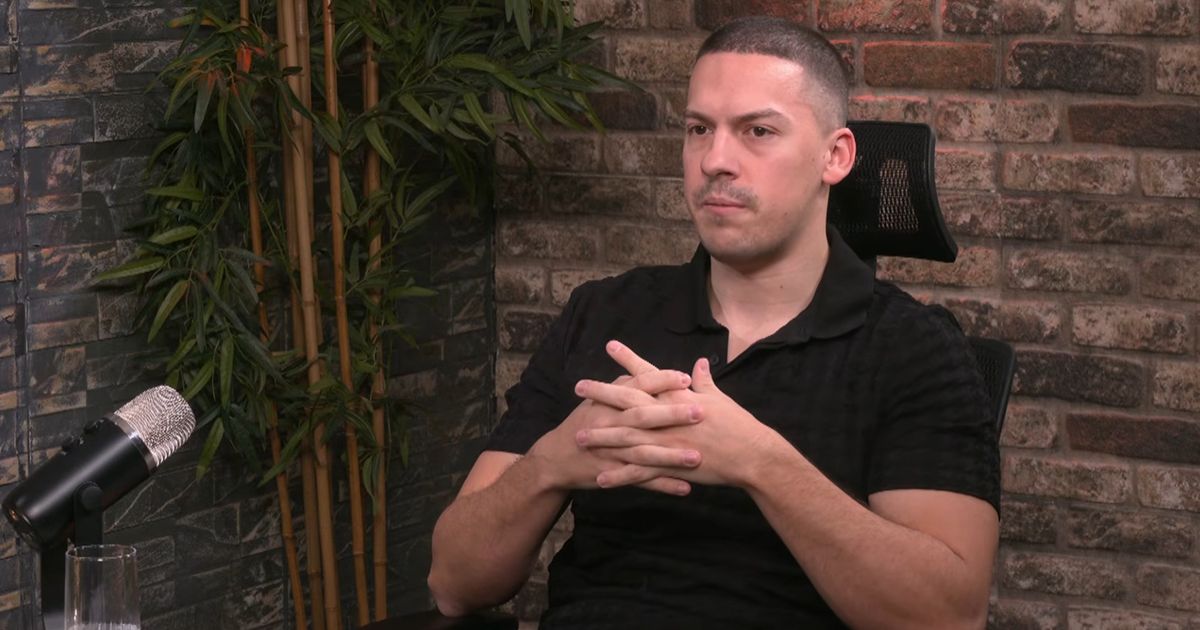
Bogdan Ilić, known as Baka Prase, has spoken publicly after his luxury Brabus car, reportedly worth around half a million euros, was set on fire while parked in a private, gated parking space. Across both opposition and pro-government coverage, it is agreed that a direct perpetrator of the arson has been apprehended, but that the person or group who ordered or organized the attack has not yet been identified. Media on both sides note his claim that the incident is connected to extortion attempts, that he has received threats and fears for his safety, and that he has hired security but remains primarily worried about the safety of his family and close friends. Outlets also converge on his denial that the fire was staged for publicity, his clarification that the spot where the car burned was on private property rather than a public disabled parking space, and his statement that the vehicle was not insured.
Shared context in both opposition and pro-government reporting highlights Ilić’s status as one of the country’s most prominent and controversial YouTubers, with a long record of public scandals and polarizing behavior that keeps him at the center of media attention. Both sides situate the car fire and extortion threats within a broader climate of online celebrity culture, social-media‑driven conflicts, and a series of recent criminal incidents involving high-profile influencers and nightlife figures. They also reference the role of law enforcement and judicial institutions in investigating the attack, stressing that the case remains open and that investigators are still working to uncover the organizers behind the crime. Coverage on both sides suggests that the incident raises questions about security for public figures and the blurred lines between entertainment, controversy, and genuine criminal risk in Serbia’s influencer scene.
Areas of disagreement
Framing of victimhood and credibility. Opposition-aligned outlets tend to emphasize Ilić as a potential victim of organized crime or extortion networks, often highlighting his fear and the unresolved nature of the case to suggest broader insecurity and institutional weakness. Pro-government outlets, by contrast, devote more space to questioning his behavior and image, underscoring his history of scandals and the online speculation that he may have staged the fire for attention, even as they quote his denial. Opposition sources more readily present his narrative of threats at face value, while pro-government media place it within a frame of mutual provocation and celebrity excess.
Role and portrayal of state institutions. Opposition outlets typically frame the police investigation and prosecutorial work as slow, incomplete, or potentially compromised, using the still-unknown mastermind to hint at impunity for powerful backers behind such attacks. Pro-government outlets stress that the immediate perpetrator has been arrested and cite this as proof that institutions are responsive and effective, portraying the ongoing search for organizers as a normal phase of complex investigations. Where opposition media imply that Ilić’s case reflects systemic failure and selective protection, pro-government media depict it as evidence that the state acts, even when the victim is controversial.
Moral judgment and social responsibility. Opposition coverage, when critical, tends to focus on the toxic environment around influencers and the pressures of fame, positioning Ilić more as a symptom of a broader cultural problem than as a uniquely blameworthy figure. Pro-government outlets are more likely to spotlight his controversial persona, past scandals, and even details like the disabled-parking controversy to signal irresponsibility and moral ambiguity. While opposition media may warn about the normalization of violence against public figures regardless of their behavior, pro-government media often frame the story as a cautionary tale about lifestyle choices, risky associations, and the consequences of courting constant controversy.
Political undertones and subtext. Opposition-aligned sources more readily connect the incident to a climate of fear, corruption, and the alleged intertwining of crime with centers of power, sometimes implying that if a high-profile influencer is not fully protected, ordinary citizens are even more vulnerable. Pro-government outlets largely avoid such structural or political critiques, keeping the focus on Ilić’s personal trajectory, his online persona, and the sensational aspects of the case. Thus, for the opposition, the attack becomes another data point in a narrative about a captured or weakened state, while for pro-government media it remains an individual celebrity scandal with limited broader political resonance.
In summary, opposition coverage tends to treat the case as evidence of a wider climate of insecurity, institutional weakness, and possible links between crime and power, while pro-government coverage tends to foreground Ilić’s controversial profile, stress that authorities have acted by arresting a perpetrator, and frame the incident chiefly as a personal and moral drama rather than a systemic indictment.
Story coverage