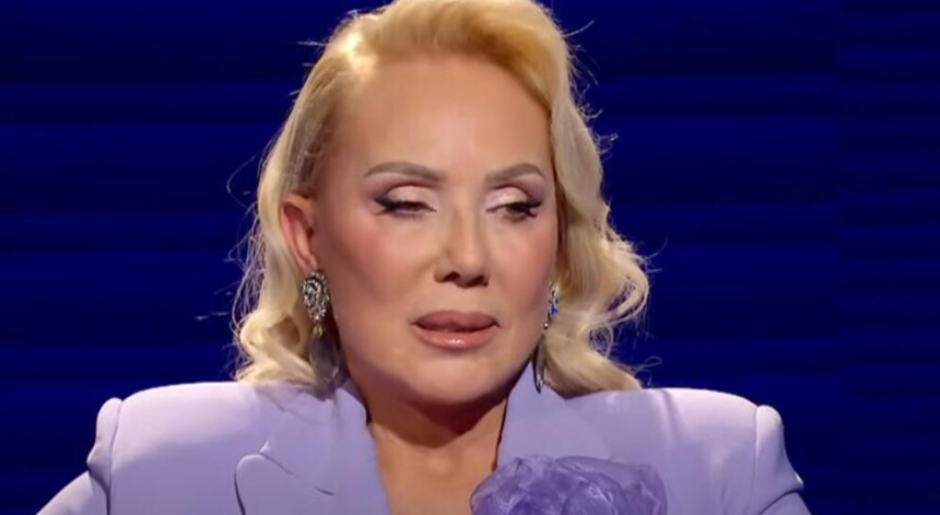

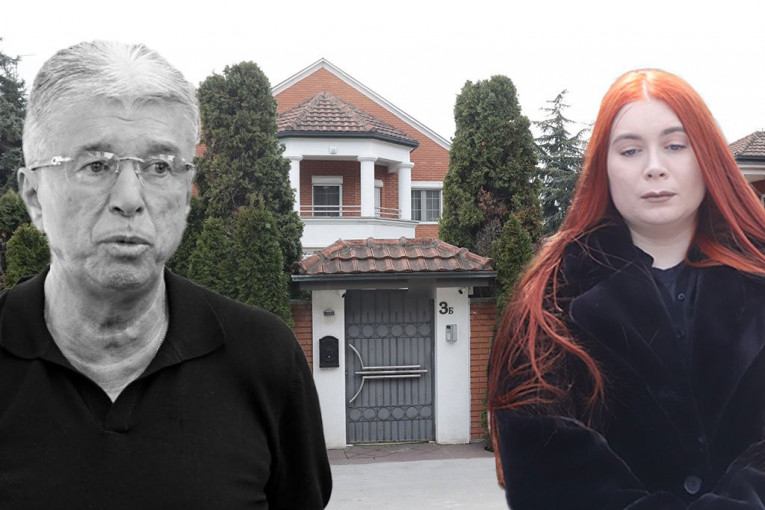
The outlets agree that a new television documentary about the late entertainment mogul Saša Popović is being released on Prva TV, scheduled to air over a weekend in prime time around February 28 and March 1 at 8 p.m. They concur that the film traces his professional trajectory in the music and television industry while also revealing a more intimate, family-oriented side, built around interviews with relatives, long-time friends, and high-profile performers. All sides highlight that the documentary is made with the approval and participation of Popović’s family and that prominent regional music stars, including figures such as Lepa Brena, Jelena Karleuša, Svetlana Ceca Ražnatović, Marija Šerifović, and Aca Sofronijević, provide on-camera testimonies about his influence and character. Across the spectrum, reports emphasize that the documentary’s emotional centerpiece is the first public, on-camera appearance of his daughter Aleksandra, who speaks about her father, often in tears, and describes him as an exceptional parent whose loss she still deeply feels.
Media across the board situate the documentary within the broader context of Popović’s long-standing impact on the regional entertainment scene, especially his role in shaping popular music careers and television formats in Serbia and the former Yugoslav space. They agree that the film functions not only as a biographical portrait but also as a record of an era in domestic show business, highlighting the networks of singers, producers, and TV executives who worked with him. Both sides note the strong institutional backing from a major national broadcaster and from the music industry, treating the project as a culturally significant event rather than a niche fan product. There is also shared emphasis on the personal cost and emotional weight of life in the public eye, with the documentary framed as a rare opportunity to see behind the scenes of a powerful showbiz figure through the eyes of his family and closest collaborators.
Areas of disagreement
Tone and purpose of the documentary. Opposition-aligned sources, where they comment, tend to frame the documentary as a carefully curated tribute that risks veering into hagiography, suggesting it serves more as image burnishing for an entertainment establishment closely intertwined with political power. Pro-government outlets instead emphasize its emotional authenticity and present it as a heartfelt memorial, stressing the tears, family support, and intimate recollections as proof that it is an honest portrayal of a beloved figure. While opposition narratives question whether uncomfortable aspects of Popović’s career or industry practices will be fully addressed, pro-government coverage highlights the inspirational arc of his success and resilience, minimizing any suggestion of critical omission.
Popović’s public role and legacy. Opposition coverage typically situates Popović as a symbol of a broader system in which entertainment and politics are entangled, implying that his legacy includes normalizing tabloid culture and celebrity dominance in public life. Pro-government outlets, by contrast, present him almost exclusively as a pioneering producer and mentor who created jobs, launched careers, and brought joy to mass audiences, steering clear of systemic critiques. Where opposition commentators hint that the documentary glosses over these structural questions in favor of nostalgia, pro-government media focus on his generosity, professionalism, and family devotion as definitive elements of his legacy.
Portrayal of Aleksandra Popović. Opposition-aligned perspectives are more likely to interpret Aleksandra’s first public statements as emotionally genuine but also as a narrative device that humanizes and softens Popović’s public image, potentially shielding him from posthumous scrutiny. Pro-government outlets treat her appearance as a brave, deeply personal act of remembrance, centering her grief and repeatedly quoting lines like “He was the best dad in the world” to underline the family’s love and unity. While opposition voices question whether her debut is being instrumentalized within a broader PR framework, pro-government media portray it as the most credible and touching testimony in the film.
Significance for the broader media landscape. Opposition sources tend to argue that the documentary exemplifies how major broadcasters invest heavily in personalities tied to the dominant cultural and, indirectly, political order, crowding out more critical or investigative content. Pro-government outlets describe the project as a justified flagship production that honors a figure who shaped mainstream entertainment, presenting it as evidence that domestic television can produce high-quality, star-studded documentaries. Thus, opposition narratives see the film as reinforcing existing power hierarchies in the media sphere, whereas pro-government coverage presents it as a culturally unifying event that transcends political divides.
In summary, opposition coverage tends to question the documentary’s selectivity, symbolic function, and broader media implications, while pro-government coverage tends to celebrate it as an emotional, apolitical tribute that honors Saša Popović’s life, work, and family.