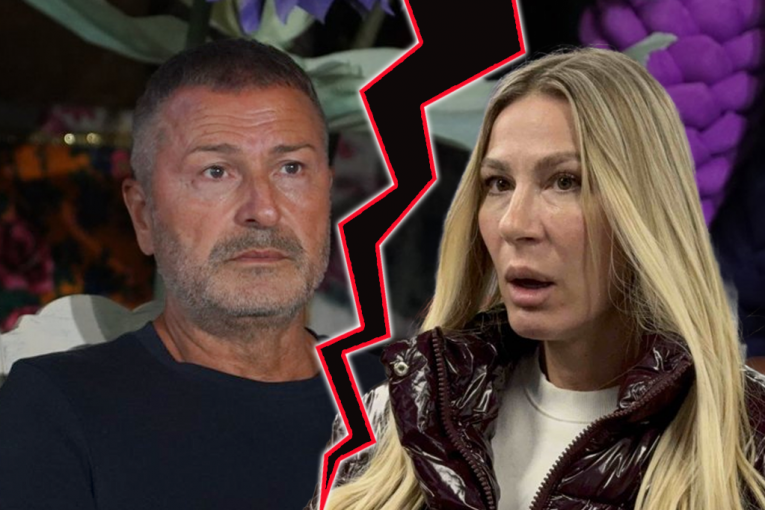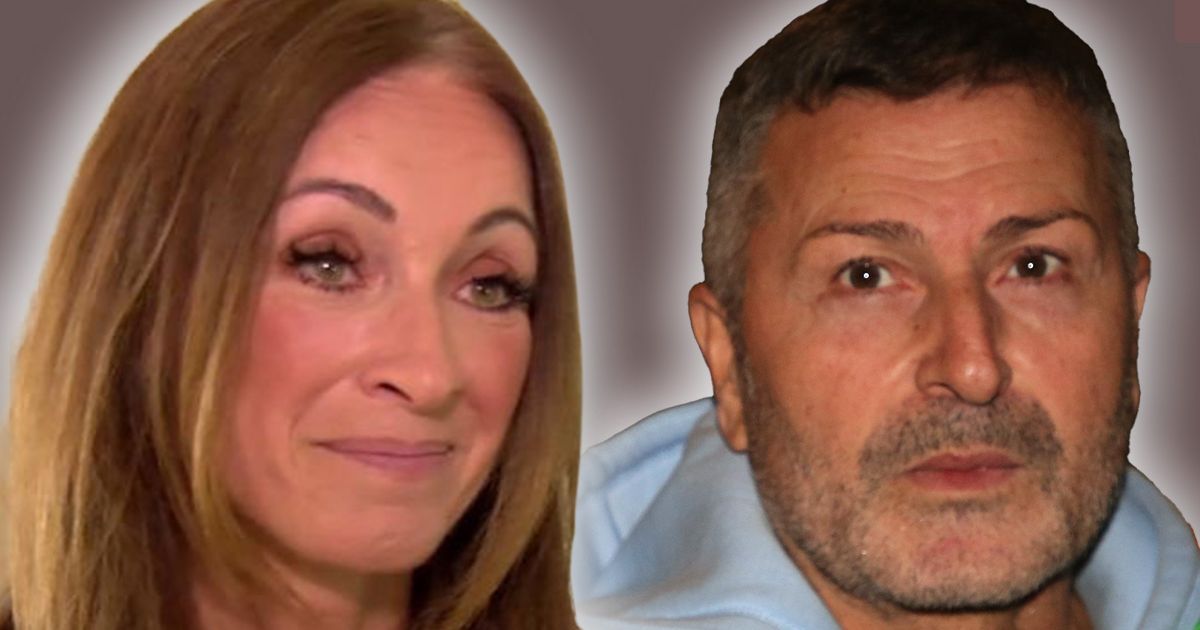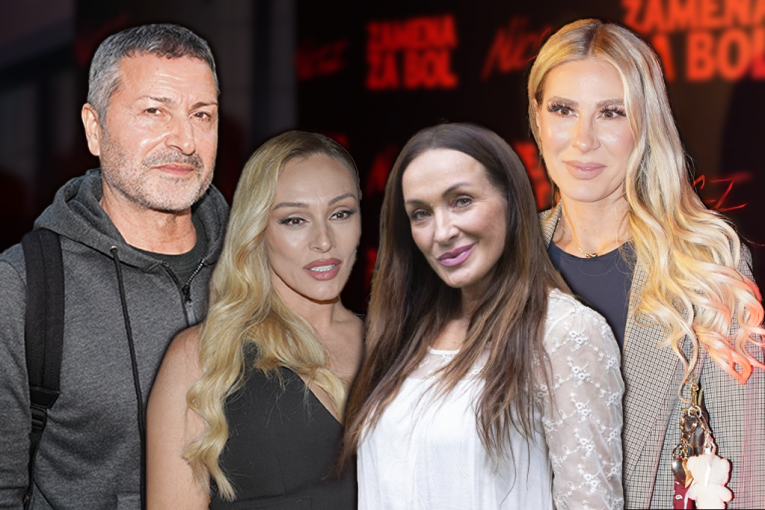

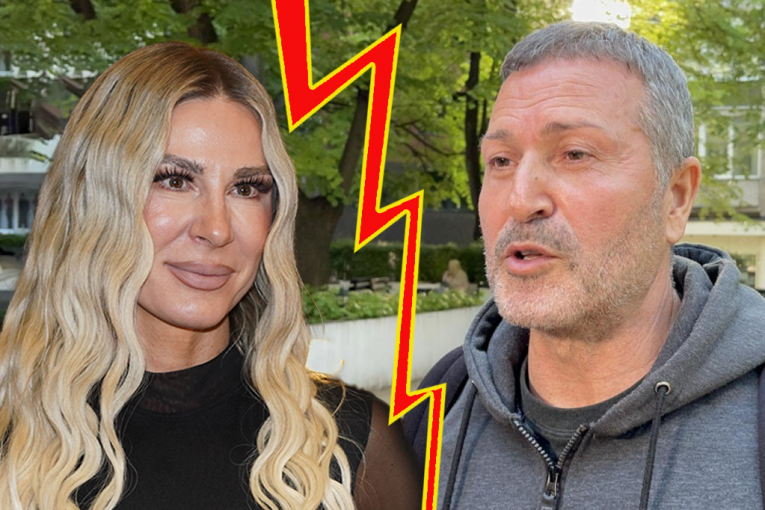
Rumors about the alleged divorce of Serbian dancer and entertainer Đole Đogani and his wife Vesna have circulated widely, with both opposition and pro-government outlets reporting that the story centers on claims he left the family home after around two decades of marriage. Across the spectrum, coverage acknowledges that the trigger was a wave of tabloid stories suggesting Đole had moved to another address while Vesna and their children remained in the apartment, prompting reactions from his ex-wife Slađa Delibašić and singer Anabela Atijas, who were asked to comment on the possible breakup. All sides agree that Đole has now made on-record statements denying that a divorce is happening, emphasizing that the couple recently traveled to Madrid, where they stayed in a hotel, enjoyed the city, food, and wine, and marked what he describes as their 25th anniversary together.
Both opposition and pro-government reports situate the episode within the broader pattern of Serbian celebrity culture, where the private lives of public figures are routinely turned into scandals and serial storylines. They reference Đole and Vesna’s long relationship, their shared professional background in dance and entertainment, and prior controversies surrounding his earlier marriage to Slađa and accusations that Vesna “stole” her husband, which Vesna has previously said did not affect her. The shared context also includes recognition that such rumors are amplified by social networks and tabloid portals, that ex-partners and other celebrities are frequently drawn in as commentators, and that the Đogani family’s status as long-standing reality and pop-culture figures makes their marriage a recurring topic for sensational coverage.
Areas of disagreement
Credibility of Đole’s denial. Opposition-aligned outlets are more likely to present Đole’s denial alongside lingering doubts, pointing to earlier reports that he allegedly moved out and to Vesna’s past complaints about his role as a father as signs that the marriage could indeed be strained. Pro-government outlets, especially tabloids close to the ruling camp, tend to foreground his categorical rejection of the divorce story, heavily quoting his description of a harmonious trip to Madrid and insisting that “everything is fine” with the children and the relationship. While opposition coverage frames his denial as one version in a still-uncertain situation, pro-government pieces generally treat it as definitive proof that the rumors are baseless.
Framing of the scandal itself. Opposition media are inclined to cast the divorce story as another example of a toxic tabloid ecosystem tied to broader problems in Serbia’s media climate, implying that sensationalism and invasion of privacy are systemic and, at times, politically tolerated. Pro-government outlets instead handle it as a standard showbiz curiosity, emphasizing the emotional reactions of Slađa and Anabela and the soap-opera angle without interrogating the media environment that generated the rumor. In doing so, the opposition press hints at structural malpractice, whereas pro-government coverage normalizes the scandal as routine entertainment news.
Use of personal history and past conflicts. Opposition-aligned sources are prone to rehash older conflicts, such as accusations that Vesna broke up Đole’s prior marriage or her earlier criticism of his parenting, using these to suggest a longer arc of instability behind the couple’s public image. Pro-government outlets occasionally mention this history but treat it as background gossip rather than an analytical frame, quickly returning to Đole’s insistence that the current marriage is stable. Thus, the opposition side uses past tensions as circumstantial evidence that a split would not be surprising, while the pro-government side downplays them to avoid undermining his present narrative.
Interpretation of public reactions. Opposition coverage tends to highlight skepticism in public comments and social media, underscoring that many fans suspect a partial truth behind the rumors or see the episode as orchestrated publicity. Pro-government reporting pays more attention to sympathetic and lighthearted reactions, such as Slađa joking she would “take him back” or expressing disbelief, portraying the public mood as largely supportive and amused rather than accusatory. As a result, the opposition press leans into the idea of a distrustful audience, whereas pro-government outlets stress affection for the couple and acceptance of Đole’s version of events.
In summary, opposition coverage tends to treat the divorce rumor as symptomatic of a wider, unhealthy tabloid culture and leaves space for doubt about the official denials, while pro-government coverage tends to accept Đole’s statements at face value, framing the story as a quickly resolved, mildly entertaining celebrity misunderstanding.
Story coverage