

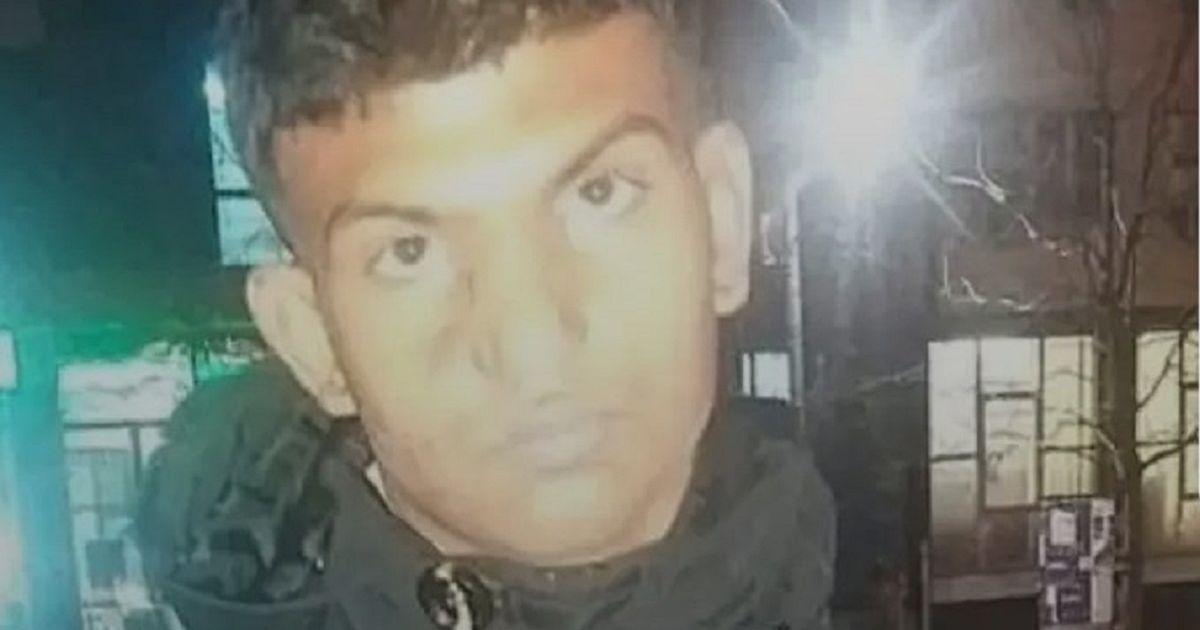
Amet Manuel, a 19‑year‑old from Zrenjanin, has been missing since the night of February 14 after leaving his family home around 1:00–1:30 a.m. Both sides agree he was later recorded by security cameras in the city center, after which all trace of him was lost, and he has not been seen since. Reports converge on his physical description: about 175 cm tall, with a visible scar on his cheek, and last seen in grey sweatpants, a light winter vest, and without shoes. All coverage highlights that he has developmental and mental health difficulties and cannot move or function entirely independently, which heightens concern for his safety. The family has publicly appealed for any information that could help locate him, and media across the spectrum stress the importance of citizens contacting authorities or the family if they notice anything relevant.
Shared context in the reporting emphasizes that the disappearance has mobilized the local community in Zrenjanin, with many residents alert and searching informally, while the police and investigative bodies are treated as the primary formal institutions handling the case. Outlets on both sides frame the case within a broader pattern of missing‑person alerts in Serbia, where family appeals, social media sharing, and local news amplification are crucial tools for generating leads. There is broad agreement that Manuel’s developmental and mental health challenges make this case particularly urgent, and that coordination between family, neighbors, local authorities, and wider public awareness is essential. Coverage also consistently notes that time is a critical factor in such cases, implicitly underscoring the need for rapid information flow and institutional responsiveness without disputing the basic role of police procedures and official searches.
Areas of disagreement
Framing of institutions. Opposition‑aligned sources tend to emphasize potential shortcomings or delays by police and local institutions, raising questions about how quickly footage was reviewed, searches organized, and alerts issued, often hinting that systemic inefficiencies may have reduced the chances of finding Manuel. Pro‑government outlets instead present the institutions as active and engaged, foregrounding police involvement and portraying the search as prompt and professional. Where opposition coverage might highlight gaps in communication with the family or lack of transparent updates, pro‑government coverage generally omits such criticism, focusing instead on cooperation between authorities and the community.
Political context. Opposition media are more likely to situate Manuel’s disappearance within a broader narrative of governance problems, connecting the case to recurring concerns over public safety, social services for vulnerable youth, and previous high‑profile disappearances. They may suggest that chronic underfunding or politicization of state institutions undermines prevention and rapid response. Pro‑government outlets largely depoliticize the incident, describing it as a tragic but isolated case and avoiding any linkage to national leadership, budget priorities, or ruling‑party responsibility. When broader context appears in pro‑government reports, it is usually in the form of general advice about missing persons rather than structural critique.
Portrayal of vulnerability and care systems. Opposition‑aligned coverage tends to stress that Manuel’s developmental difficulties and mental health issues expose wider failures in social and health support systems, implying that better community mental‑health infrastructure and monitoring might have reduced the risk of such a disappearance. They may question whether adequate long‑term support, counseling, and supervision were available to him and similar young people. Pro‑government reporting focuses more on his individual vulnerability to underline the urgency of public help, but stops short of interrogating systemic gaps, presenting his condition as a personal tragedy rather than a symptom of policy shortcomings.
Narrative emphasis and tone. Opposition sources are prone to highlight uncertainty, contradictions, or missing details in the timeline, pressing for clearer answers and sometimes foregrounding frustration or anxiety from the family and neighbors. Their tone can be more alarmist or investigative, using Manuel’s case as an emblem of perceived institutional neglect. Pro‑government outlets maintain a more restrained, service‑oriented tone, centering the family’s plea, descriptive details useful for identification, and community solidarity, while avoiding language that could be interpreted as an indictment of state competence.
In summary, opposition coverage tends to use Manuel’s disappearance to question institutional performance, resource allocation, and the broader system of care for vulnerable youth, while pro-government coverage tends to present it as an apolitical human tragedy, emphasizing the family’s appeal, the role of citizens in helping, and the presumed adequacy of official efforts.