

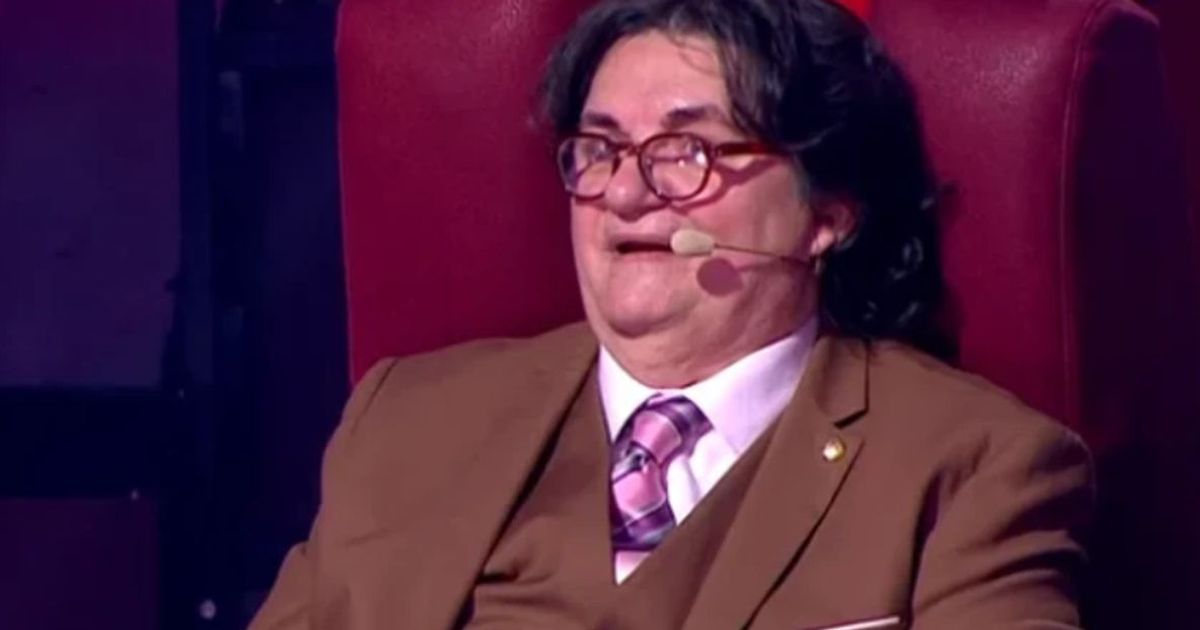
Zorica Brunclik, long‑time jury member of the talent show "Pinkove zvezde" on TV Pink, was unexpectedly absent from recent studio recordings, and her empty seat was filled by her husband, accordionist Miroljub Aranđelović Kemiš. Pro‑government outlets describe how Kemiš appeared on the jury in her place, explaining on air that Zorica was at home, closely following the performances, listening to the contestants and staying in constant contact with him so she could still influence decisions. They quote the host stressing that Brunclik would effectively be "present" through Kemiš as a kind of avatar throughout the episode, and emphasize the surprise among production staff and viewers who were used to her regular participation.
Across coverage, both sides agree on the basic framing that the change is a temporary adjustment rather than a formal restructuring of the jury, and that TV Pink intends to keep Brunclik symbolically in her role despite her physical absence. Media on both sides also converge in presenting the show as a high‑visibility entertainment format with a strongly personalized jury, where stars such as Brunclik are seen as core to its brand, and they treat Kemiš’s appearance not as a new permanent judge but as a proxy ensuring continuity. Where opposition outlets engage, they do not dispute that Brunclik remains in control of her votes from home, nor that the broadcaster is keen to maintain audience attachment to her persona within the "Pinkove zvezde" franchise.
Areas of disagreement
Significance of the absence. Opposition‑aligned sources tend to frame Brunclik’s repeated absence as potentially indicative of backstage problems at TV Pink or within the show’s production, hinting at tensions or health and scheduling issues that might be more serious than officially stated. Pro‑government media instead present it as a light, almost playful twist in the show’s format, stressing that she is comfortably at home, engaged and healthy, and that viewers should treat it as a novelty rather than a crisis.
Portrayal of Kemiš’s role. Opposition outlets are more inclined to describe Kemiš’s appearance as an improvised, somewhat awkward solution that underlines how irreplaceable Brunclik is and how dependent the program is on a small circle of regime‑friendly celebrities. Pro‑government coverage characterizes Kemiš as a natural, entertaining stand‑in whose presence enriches the show and demonstrates the couple’s professional harmony, highlighting his comments about serving as Zorica’s avatar as a charming detail rather than a sign of production fragility.
Interpretation of TV Pink’s motives. Opposition reporting typically situates the change within a broader critique of TV Pink as a politically aligned outlet, implying that even casting decisions are managed to preserve the visibility of figures loyal to the ruling establishment and to sustain ratings through controlled drama. Pro‑government coverage focuses on commercial and entertainment motives, depicting the decision to keep Brunclik connected via Kemiš as a creative way to protect the show’s brand and audiences’ emotional connection, without suggesting any political subtext.
Transparency and speculation. Opposition‑leaning media are more likely to emphasize what has not been explained about Brunclik’s absence, inviting speculation and calling attention to the lack of detailed official reasons, which they present as part of a pattern of opaque communication at Pink. Pro‑government outlets, by contrast, largely accept and amplify the on‑air explanation that she is simply at home following the show, avoid probing questions, and frame further speculation as unnecessary sensationalism that undermines a harmless programming choice.
In summary, opposition coverage tends to treat Brunclik’s remote participation and Kemiš’s on‑set role as a symptom of deeper structural and political issues at TV Pink, while pro-government coverage tends to present the same arrangement as a benign, entertaining gimmick designed to keep a beloved jury member involved and audiences reassured.
Story coverage