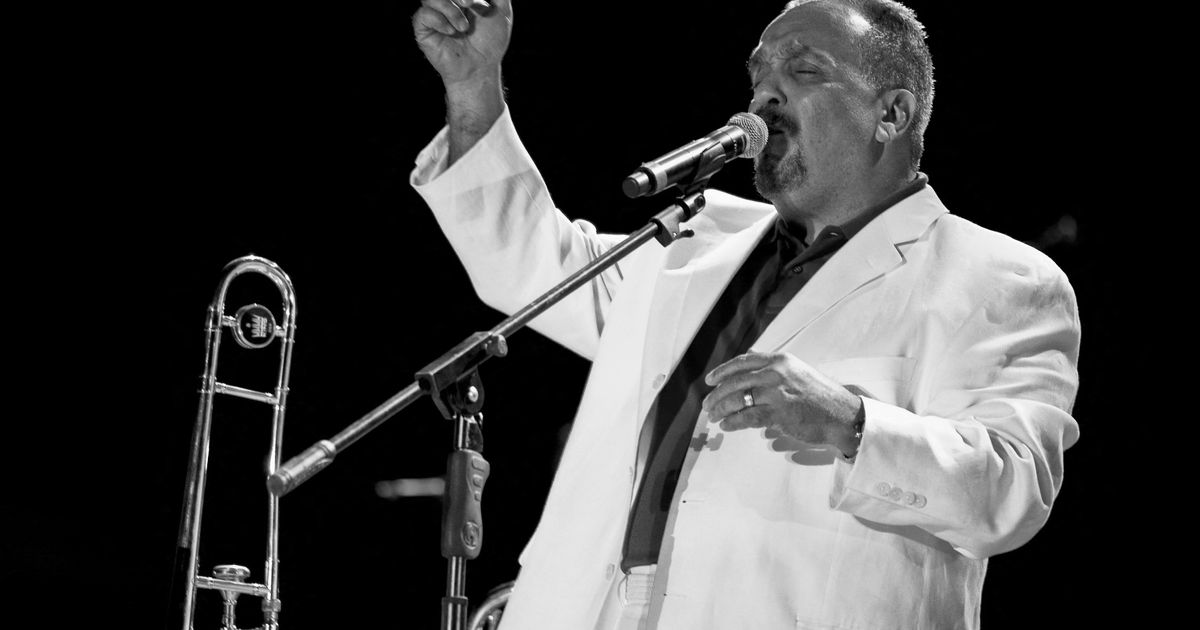


Willie Colón, the influential salsa composer and trombonist, has been reported dead at the age of 75, with both opposition and pro-government outlets agreeing on his status as a towering figure in Latin music. Coverage converges on key biographical points: Colón was born in New York to Puerto Rican parents, rose to fame as a bandleader and innovator in salsa, and his death followed hospitalization for respiratory problems, leaving behind his wife and four children. Both sides reference his global impact on salsa and Latin music more broadly, highlighting that news of his passing triggered an outpouring of grief among fans, musicians, and cultural institutions across the Americas and beyond.
Across the spectrum, reporting underscores Colón’s foundational role in shaping modern salsa through groundbreaking collaborations with singers such as Héctor Lavoe and Rubén Blades, which fused social commentary with innovative arrangements. Both opposition and pro-government media frame him as not just a musician but a cultural symbol of the Puerto Rican and broader Latino diaspora, often citing his influence on subsequent generations of artists and his presence in iconic recordings and performances from the 1970s onward. There is shared emphasis on his career longevity, his status as a reference point for later salsa and tropical genres, and the sense that his death closes a historic chapter for salsa as a global cultural and commercial force.
Points of Contention
Framing of legacy. Opposition-aligned outlets tend to emphasize Colón’s image as a socially conscious artist, highlighting his political stances, activism, and occasional criticism of authorities as central to his legacy, while situating his music within broader struggles over democracy and rights in Latin America. Pro-government media, by contrast, stress his artistic achievements, awards, and commercial influence, foregrounding his role as a national or cultural icon and largely downplaying politically contentious aspects of his public persona. The result is a split between a legacy framed as politically engaged and one framed as primarily artistic and patriotic.
Political context and symbolism. Opposition coverage frequently links Colón’s death to current political and economic challenges, using his passing as an occasion to comment on cultural neglect, underfunding of the arts, or the difficulties faced by working-class and migrant communities that his songs chronicled. Pro-government reporting more often situates him within an uplifting narrative of cultural triumph, casting his international success as evidence of national vitality and the state’s support for cultural production. Where opposition voices may point to gaps between his gritty lyrical themes and present-day governance, pro-government outlets tend to neutralize such tensions by focusing on celebratory and unifying symbolism.
Treatment of controversy and criticism. Opposition-oriented media are more likely to recall episodes where Colón openly criticized political leaders or policies, presenting these moments as proof of his integrity and alignment with popular discontent. Pro-government coverage either omits these controversies or reframes them as isolated artistic outbursts rather than sustained political positions, instead emphasizing moments when Colón appeared at official events, received state-backed honors, or spoke positively about national achievements. This produces divergent portrayals of whether his relationship to power was fundamentally adversarial or ultimately reconciled within the official narrative.
Role of institutions and state recognition. Opposition sources may stress how institutions failed to fully support or preserve the cultural ecosystem that produced artists like Colón, raising questions about infrastructure, funding, and the precariousness of musicians’ lives, particularly in later years. Pro-government outlets tend to highlight any formal tributes, official condolences, or cultural programs that bear his name, using them to underscore a narrative of responsible stewardship of the national musical heritage. Thus, while opposition outlets use institutional references to critique present governance, pro-government media use them to claim continuity and care.
In summary, opposition coverage tends to cast Willie Colón’s death as the loss of a politically resonant, socially grounded voice whose life story reflects ongoing structural problems, while pro-government coverage tends to present him as a unifying cultural hero whose artistic achievements validate national narratives and the state’s role in promoting and honoring salsa.