


pro-government
Breaking! OFAC made a decision regarding NIS
OFAK extended the license to NIS
a month ago
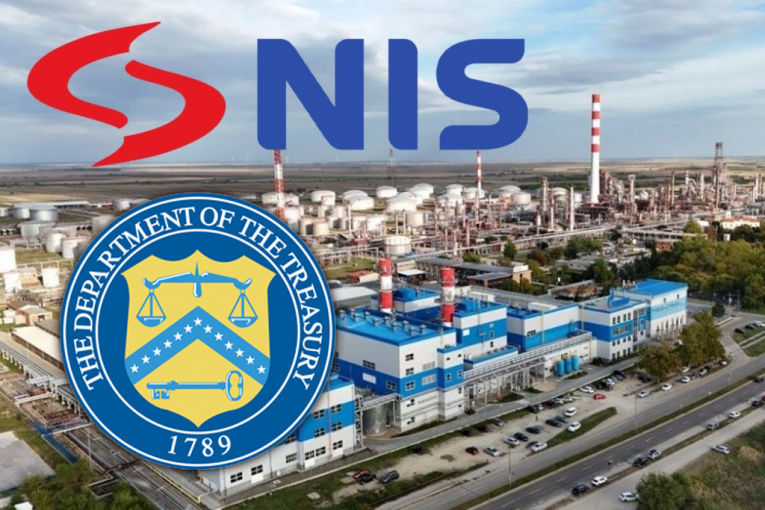
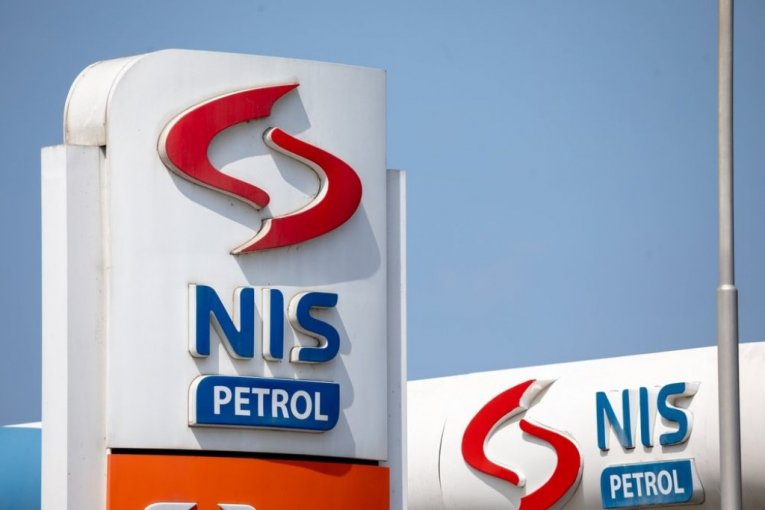
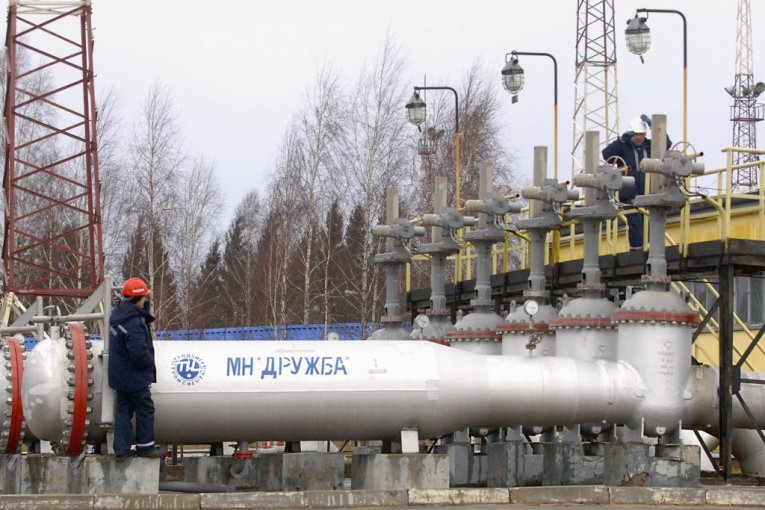
US and Serbian sources agree that the US Treasury Department’s Office of Foreign Assets Control has extended a special license allowing Serbia’s Oil Industry (NIS) to continue operating, particularly importing crude oil, refining it, and supplying petroleum products. The latest extension runs until March 20, with multiple reports stressing that this prevents interruptions in crude oil transport via the Adriatic (Janaf) pipeline and averts any immediate risk of fuel shortages on the Serbian market. Coverage converges on the point that NIS and its subsidiaries can carry out essential activities under this license, including technical maintenance and financial settlements needed for regular operations, and that the decision follows earlier OFAC authorizations tied to sanctions and to the Russian stake in NIS, especially Gazpromneft’s role. Both sides also note that there is a related OFAC license, valid until March 24, enabling negotiations on changes to NIS’s ownership structure, and that this framework underpins ongoing talks about a possible exit of Russian ownership.
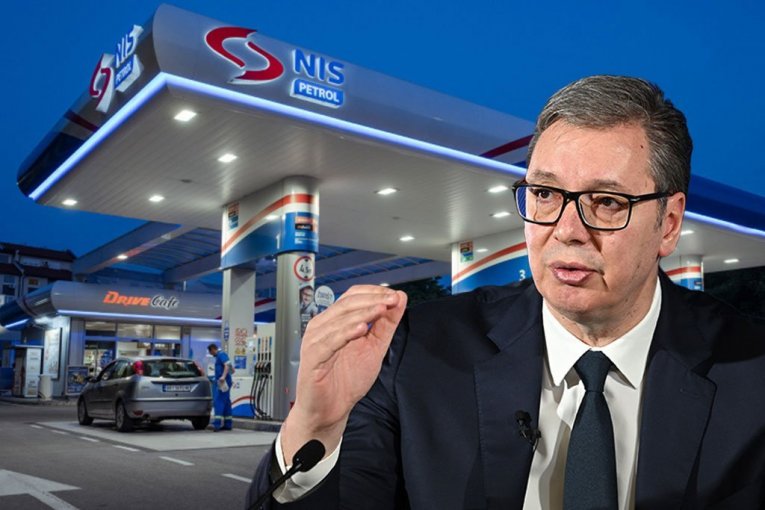
Across outlets, there is broad agreement on the institutional and geopolitical backdrop: OFAC’s involvement is linked to US sanctions policy following Russia’s actions in Ukraine, given that NIS has a majority Russian shareholder. Media from both camps describe Serbia as navigating between energy security needs and Western sanctions regimes, with OFAC licenses serving as temporary exemptions that allow NIS to keep importing oil via Janaf despite restrictions affecting Russian-related entities. The shared context highlights that Serbia’s government, the Ministry of Mining and Energy, and President Aleksandar Vučić are engaged in negotiations with Russian stakeholders, Western partners, and regional infrastructure operators like Croatia’s Janaf to secure continued flows and to reshape NIS’s ownership in a way that aligns with sanctions requirements. Both opposition and pro-government reporting present these licenses as time‑bound instruments that buy Serbia room to adjust NIS’s structure and ensure stable supplies while longer‑term arrangements are negotiated.
Credit and political framing. Opposition-aligned sources tend to present the OFAC extension as a symptom of Serbia’s vulnerability and dependence on foreign goodwill, implying that the government has allowed NIS to become a lever of external pressure and must now scramble for periodic waivers. Pro-government outlets instead frame the same license as a diplomatic and political success, crediting Vučić and the energy ministry with securing vital exemptions that protect citizens and the economy. While opposition narratives stress that the March 20 deadline underscores the temporary and fragile nature of the arrangement, pro-government reporting highlights reassurance that there will be no fuel shortages and portrays the extension as proof of the leadership’s ability to manage international constraints.
Responsibility and past decisions. Opposition coverage generally emphasizes that earlier privatization choices and the sale of NIS to a Russian majority owner created the current dependence on OFAC decisions, suggesting that today’s risks stem from long‑term strategic errors by ruling parties. Pro-government media, by contrast, downplay or omit critical discussion of past concessions to Russian interests and instead stress external shocks such as the Ukraine war and Western sanctions as the root cause of current complications. Where opposition voices argue that Serbia is now paying the price of tying a key energy asset to a sanctioned state, pro-government outlets insist that the government is responsibly managing an inherited problem in a hostile global environment.
Interpretation of risks and timelines. Opposition-aligned outlets are more likely to underscore the short horizon of the license, framing March 20 (and the March 24 ownership‑negotiation deadline) as a countdown that could expose Serbia to serious supply disruptions or forced political choices if no structural solution is reached. Pro-government reporting, however, typically treats these dates as manageable milestones in a controlled process, assuring audiences that talks on ownership restructuring and pipeline access are progressing favorably. While opposition narratives cast the extensions as last-minute reprieves that keep Serbia in a state of chronic uncertainty, pro-government media describe them as orderly steps in a longer-term plan to secure NIS’s future and maintain growth.
Geopolitical alignment and leverage. Opposition sources often interpret the OFAC license as evidence of Serbia’s limited autonomy, arguing that Washington effectively holds a veto over core energy flows and that Belgrade’s proclaimed military and political neutrality is contradicted by this dependence. Pro-government outlets instead depict the situation as proof of Serbia’s skillful balancing between East and West, underscoring that it can keep cooperation with Russian partners while still obtaining key approvals from US authorities and neighboring EU states like Croatia. Thus, opposition coverage stresses asymmetry and vulnerability in Serbia’s position, whereas pro-government coverage emphasizes strategic flexibility and the leadership’s ability to secure concessions from powerful international actors.
In summary, opposition coverage tends to portray the OFAC license extension as a precarious, externally imposed reprieve exposing the long-term costs of past energy and foreign-policy choices, while pro-government coverage tends to frame it as a diplomatic achievement that safeguards stability, validates the government’s balancing act, and demonstrates steady progress toward a secure, restructured future for NIS.
pro-government
OFAK extended the license to NIS
a month ago