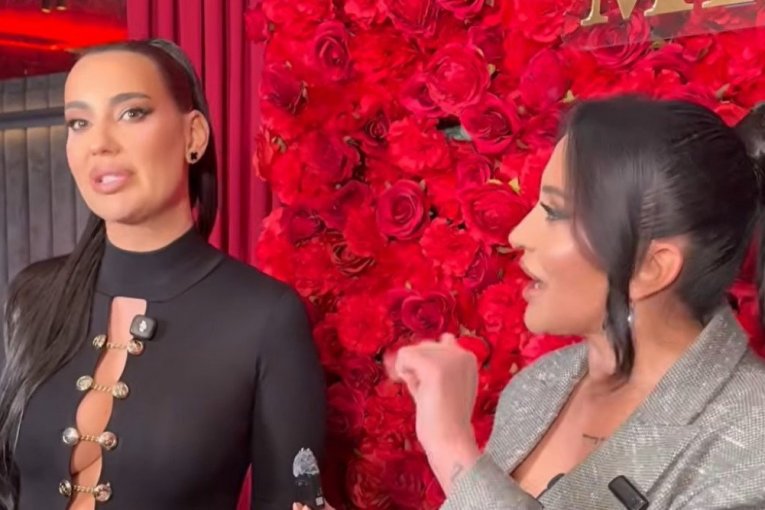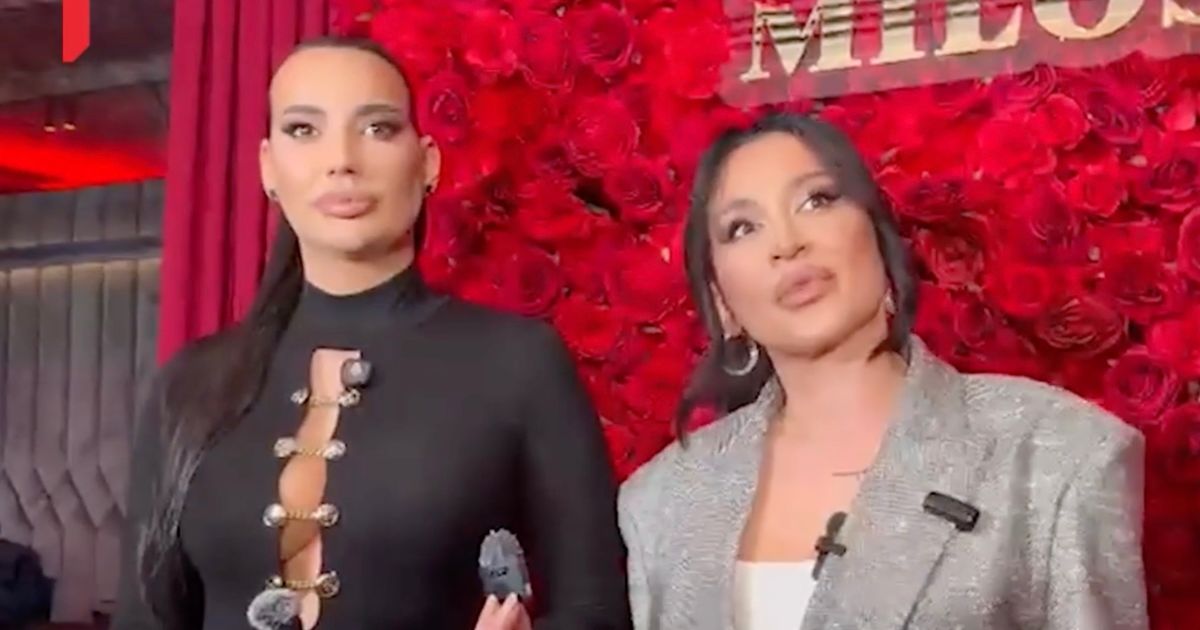



Reports from both sides agree on the core facts that a media storm has developed around singer Milica Todorović over alleged involvement with a married man, and that this has prompted public reactions from fellow performers. Coverage consistently places the key statements at the promotion of Nadica Ademov's album, where singers Katarina Grujić and Andreana Čekić were asked about the controversy and responded by publicly backing Todorović. Outlets on all sides note that Grujić and Čekić stressed that "people don't know the truth" about Todorović's private life, that only she can ultimately clarify what happened, and that she has their full personal and professional support in the face of speculation. Both opposition-leaning and pro-government narratives, where they appear, highlight that the controversy is driven by tabloids and social media chatter rather than any official statement or hard evidence.
Shared contextual framing points out that Todorović, Grujić, Čekić, and Ademov are all prominent figures in the Serbian pop-folk scene, where private lives are frequently turned into public spectacle by entertainment media. Across the spectrum, the situation is situated within a broader pattern of high-profile female singers facing moral scrutiny and being judged harshly for alleged affairs or relationships, especially where a married man is mentioned. Both sides underline that industry colleagues often respond to such scandals by closing ranks and calling for respect of privacy, and that the music business is marked by rivalry, gossip, and what some describe as professional jealousy. There is also a shared understanding that the lack of concrete proof means the story remains at the level of rumor, and that Todorović herself has not yet given a detailed public account, leaving room for competing interpretations and agendas.
Points of Contention
Framing of the scandal. Opposition-aligned sources tend to present the Todorović affair as another example of orchestrated tabloid distraction and moral panic, implying that the focus on a singer’s private life serves to divert attention from more serious political and social issues. Pro-government outlets instead frame it as a standard showbiz story driven by curiosity about celebrities, emphasizing the spontaneity of media questions at an album promotion and treating the controversy as normal entertainment press behavior. Where opposition media see a systemic pattern of sensationalism with political utility, pro-government coverage depicts the uproar as organic gossip in a media ecosystem that simply follows public interest.
Moral responsibility and victimhood. Opposition coverage generally leans toward portraying Todorović as a potential victim of misogynistic double standards and invasive tabloid culture, focusing on how women in entertainment are disproportionately blamed in alleged affairs involving married men. Pro-government reports highlight the statements of Grujić and Čekić that "nobody knows the truth" and that people should mind their own business, subtly spreading moral responsibility across all involved while still insisting on Todorović’s right to defend herself when she chooses. While opposition outlets stress structural injustice and media aggression, pro-government sources emphasize personal privacy and downplay any broader critique of the media environment.
Treatment of fellow singers’ support. Opposition-oriented media are more likely to interpret the public backing from Grujić and Čekić as an act of solidarity against a hostile, politically linked tabloid complex, reading their comments as quiet resistance to character assassination campaigns. Pro-government outlets, by contrast, frame their support as collegial loyalty within the music industry, focusing on friendly encouragement, praise for Nadica Ademov’s promotion, and assurances that Todorović will speak when ready, without attaching overt political or systemic meaning. Thus, opposition narratives use the singers’ support to illustrate a wider pushback against manipulative media, while pro-government pieces keep the story safely within the realm of interpersonal and professional camaraderie.
Significance and public interest. Opposition sources tend to question why such intimate allegations receive outsized coverage, hinting that the scandal’s prominence reflects editorial choices that align with power rather than genuine public need to know. Pro-government media insist on the public’s right to be informed about celebrities they follow and treat the event primarily as light entertainment content that naturally attracts clicks and views. In this way, opposition reporting challenges the very newsworthiness of the story, whereas pro-government coverage normalizes it as just another item in the celebrity news cycle.
In summary, opposition coverage tends to recast the Todorović scandal as a symptom of politicized tabloid culture, structural sexism, and questionable news priorities, while pro-government coverage tends to normalize it as routine celebrity gossip, emphasize individual privacy over systemic critique, and keep the focus on collegial support rather than media or political structures.
Story coverage