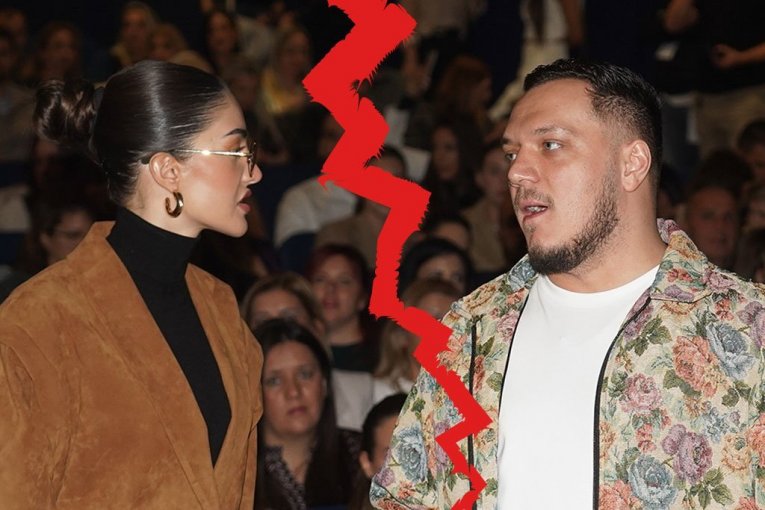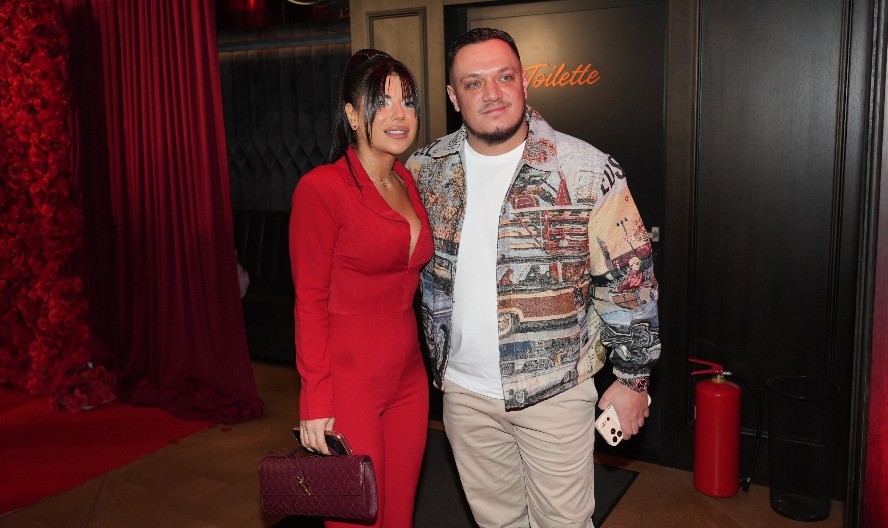


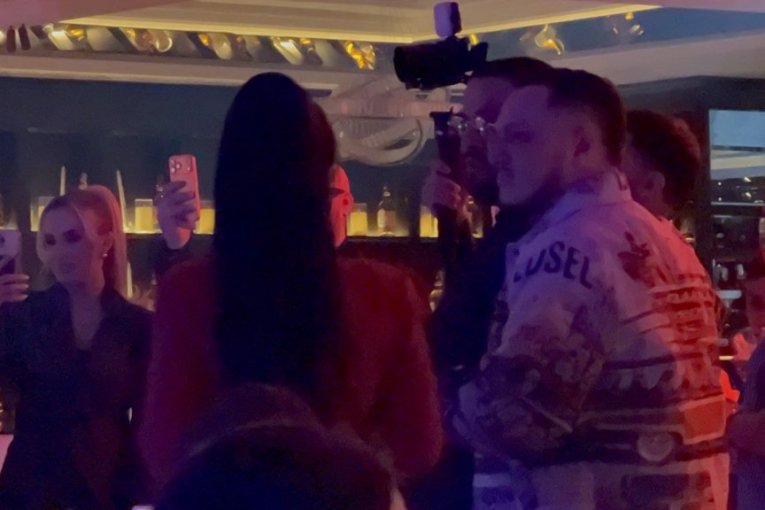
Nenad Marinković Gastoz, known from reality formats and as the winner of Elite 8, has appeared publicly with singer Tina Amore (Tijana) at Nadica Ademov’s Belgrade album promotion "Milostinja," where they were filmed sitting closely and exchanging affectionate gestures. Pro-government outlets describe the event’s red décor and flower wall, list numerous music-industry guests, and note that Gastoz effectively confirmed the relationship via Instagram stories, framing Tina as his new girlfriend just weeks after a breakup with ex-partner Anđela Đuričić, who has publicly ruled out reconciliation and says she is focused on her own travels and personal growth.
These same outlets provide basic biographical and lifestyle context about Tina Amore, drawing on her social media image of provocative photos, luxury trips, and expensive tastes that they say match Gastoz’s hedonistic public persona. They also link her public debut as Gastoz’s partner with her professional exposure, highlighting that she will appear and perform in the Elite franchise: production and Pink confirm she will enter the "Elita" environment and perform at a club party after the Ami G show, signaling a continuation of the established pattern in which reality TV, turbo-folk music, and tabloid celebrity culture are tightly interwoven.
Points of Contention
Framing of the relationship. Pro-government media frame Gastoz and Tina Amore’s appearance as a glamorous, exciting new romance, emphasizing visual intimacy, party atmosphere, and Instagram confirmation to present them as a hot celebrity couple. Opposition-leaning outlets, by contrast, tend to treat similar reality-TV relationships more skeptically, likely underscoring the speed with which he moved on, questioning the authenticity of the romance, or portraying it as a publicity stunt linked to Elite ratings and Tina’s career boost.
Portrayal of Tina Amore. Pro-government coverage focuses on her as an attractive singer with a luxurious, provocative lifestyle that “fits” Gastoz, selectively using her social media to glamorize and sexualize her image while avoiding critical scrutiny. Opposition sources would be more inclined to stress the manufactured nature of that persona, pointing to how such coverage objectifies her, blurs lines between talent and self-promotion, and turns a private relationship into a marketing instrument for Pink and its reality properties.
Use of Anđela Đuričić. Pro-government outlets instrumentalize Anđela by repeatedly contrasting her “forgotten” status with Gastoz’s new love, using jealous or envy-laden rhetoric and quoting only the parts of her statements that enhance melodrama. Opposition media would more likely highlight this as a cynical tactic: Anđela’s post-breakup emphasis on self-improvement and leaving reality TV could be framed as a critique of the very media ecosystem that now uses her as a foil to hype Gastoz’s new romance.
Role of Pink and Elite. Pro-government reporting openly ties the romance narrative to Tina’s imminent entrance and performance in Elita, presenting this as organic and exciting content that benefits fans and the show alike. Opposition-leaning coverage would probably present the same facts as evidence of orchestrated casting and cross-promotion, arguing that Pink exploits personal relationships to sustain ratings, normalize tabloidization, and distract audiences from harder political and social issues.
In summary, opposition coverage tends to treat Gastoz and Tina Amore’s public romance as a media construction tied to Pink’s commercial and political interests, while pro-government coverage tends to celebrate it as a glamorous celebrity love story that seamlessly feeds into the Elite reality ecosystem.
Story coverage