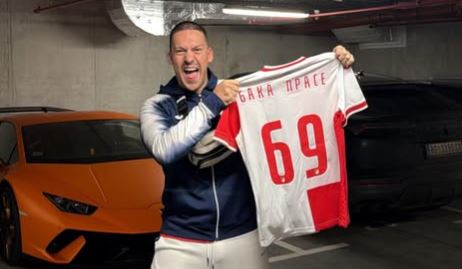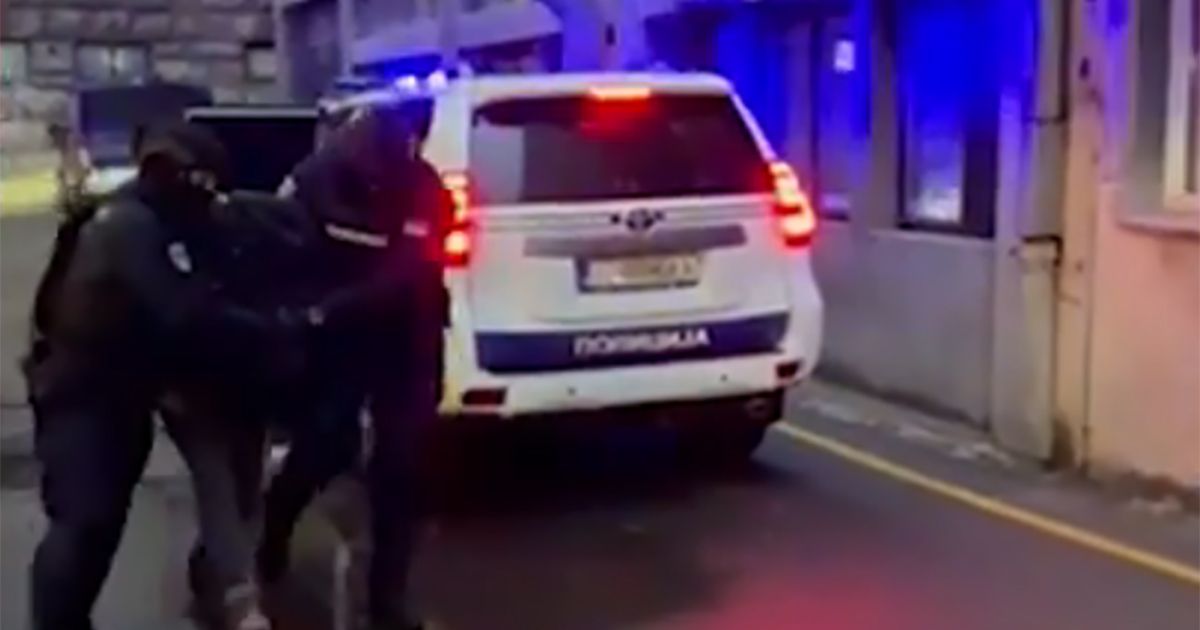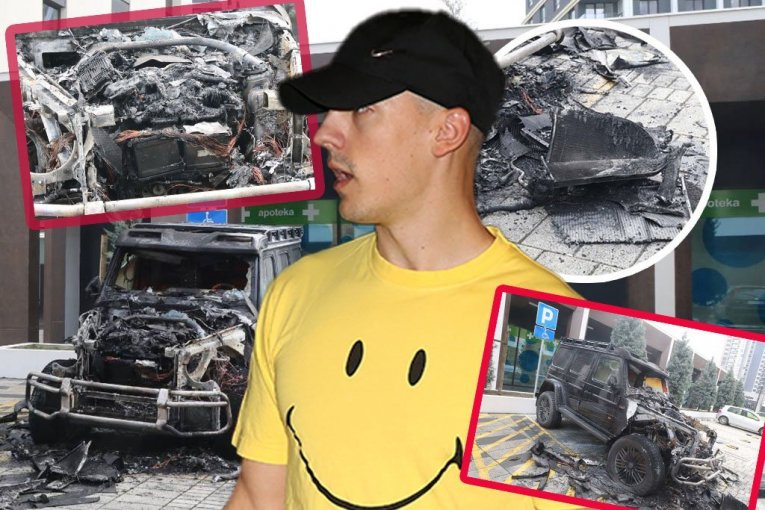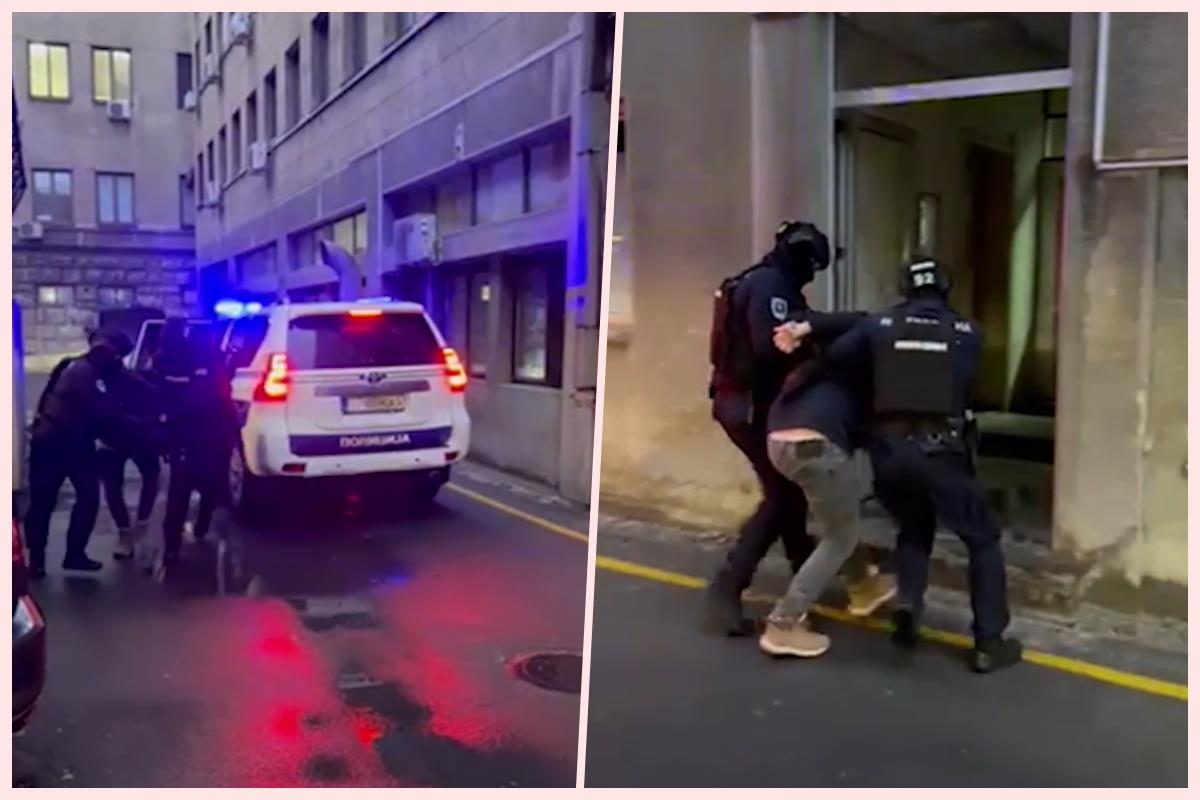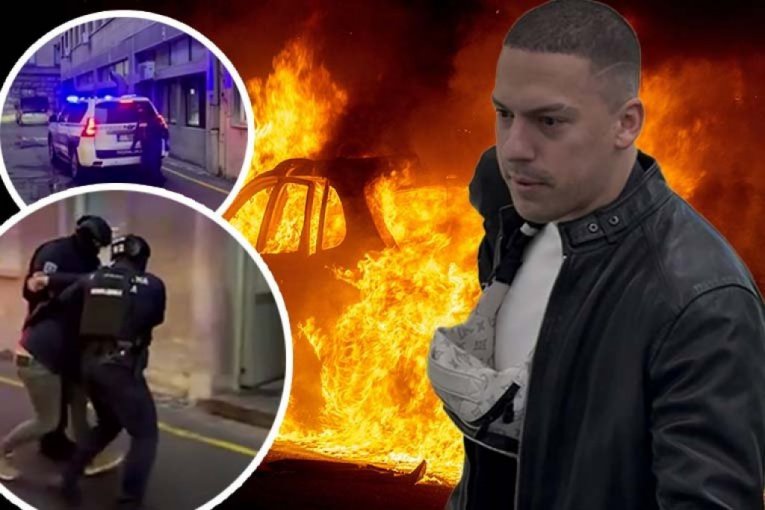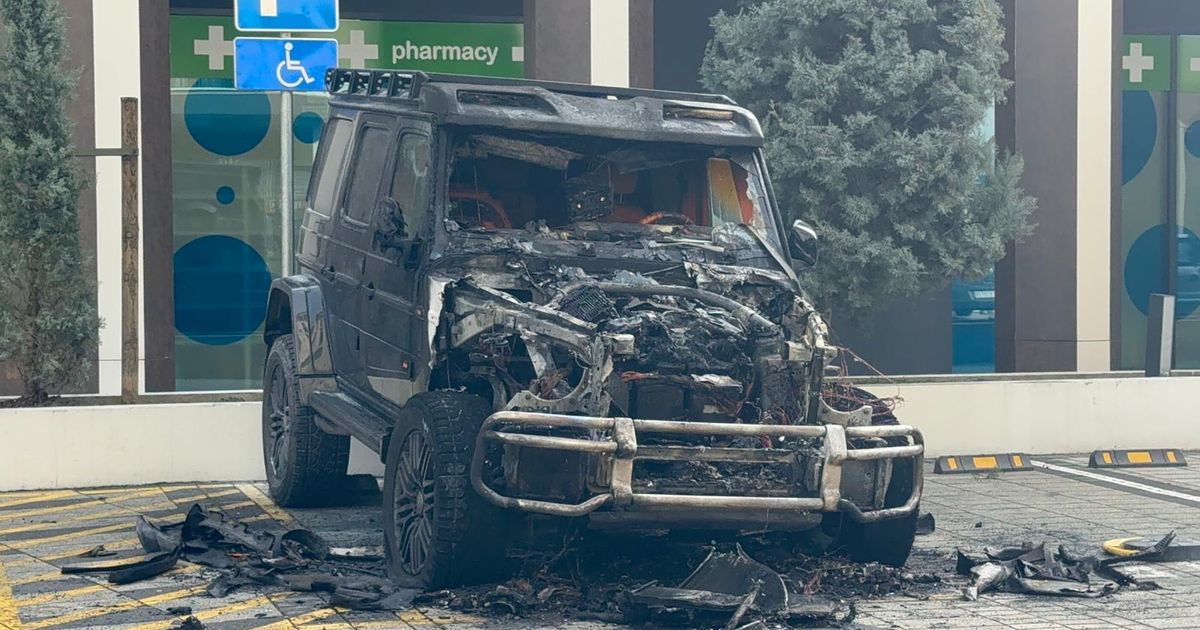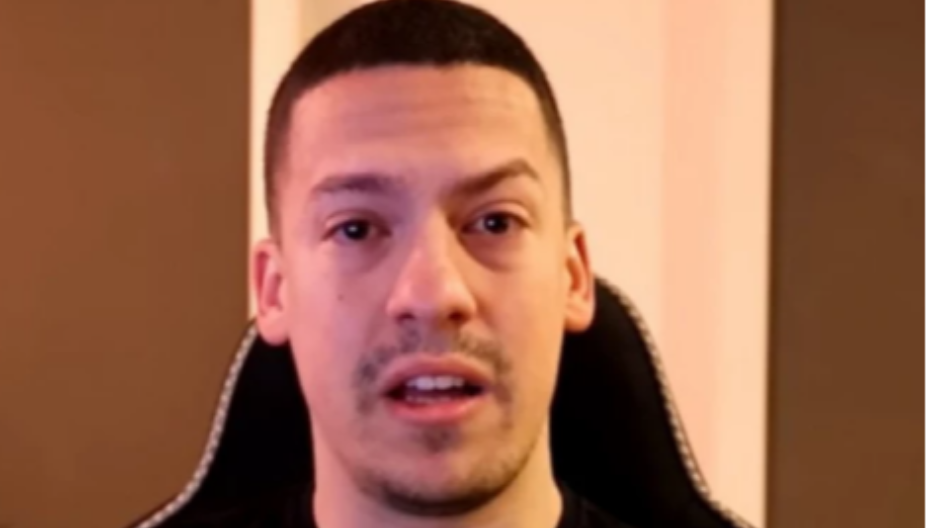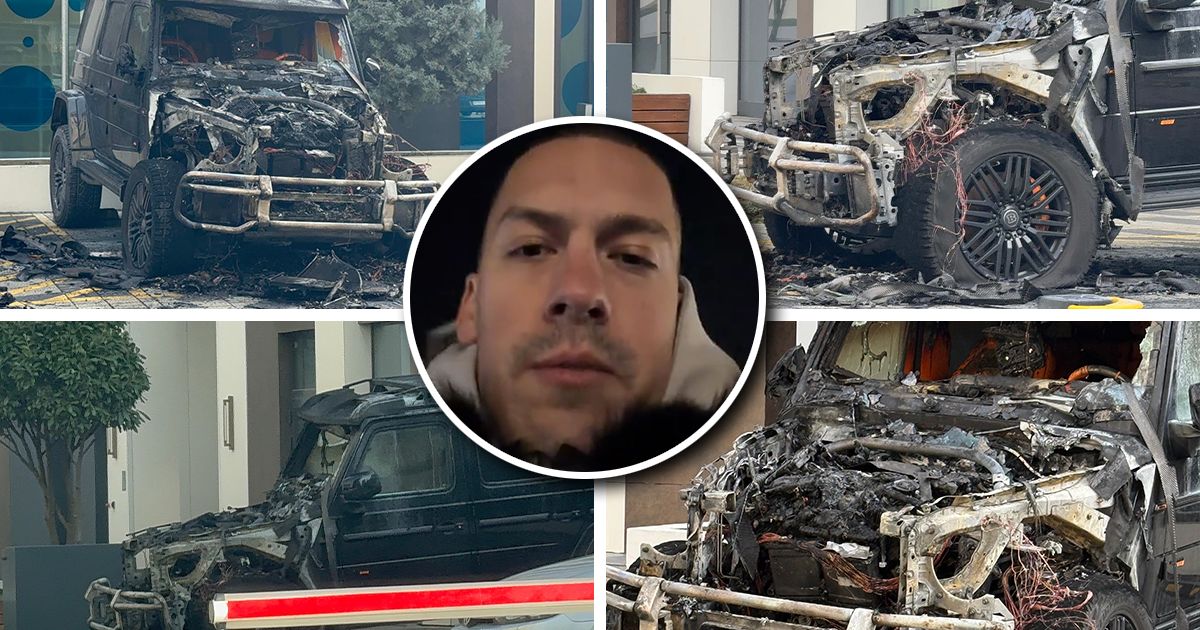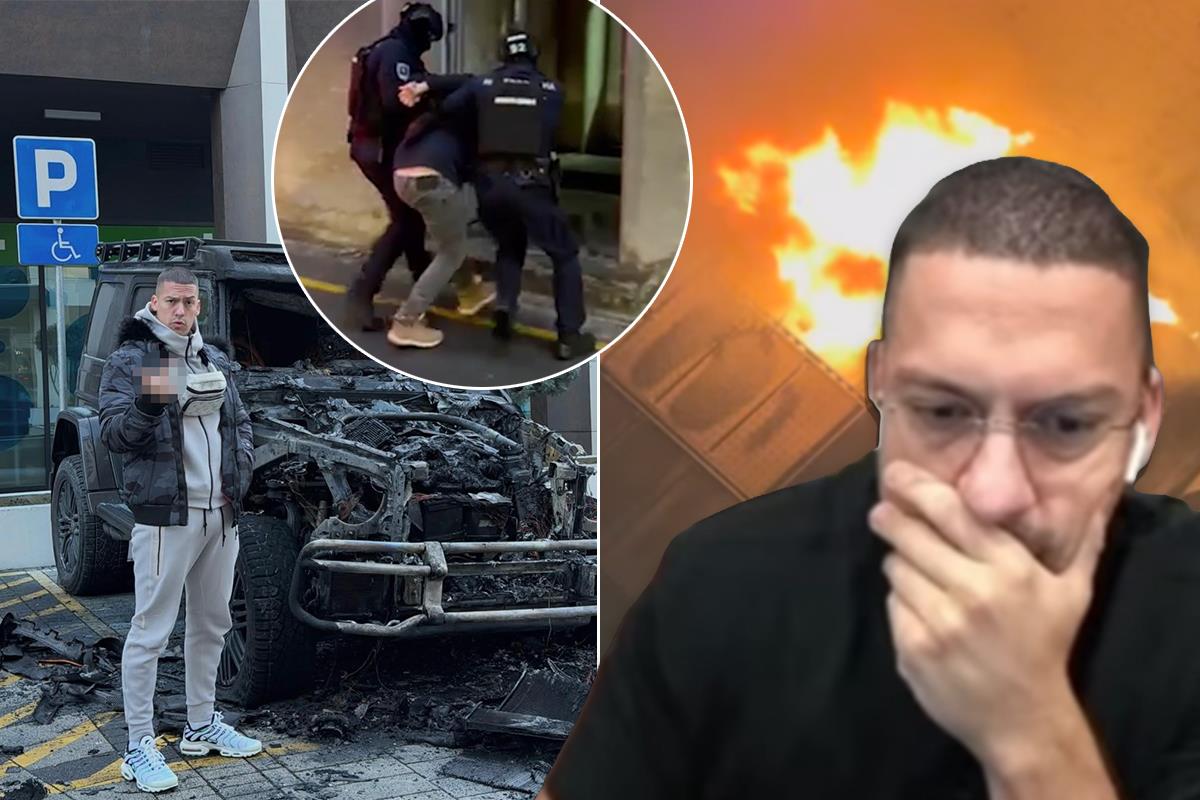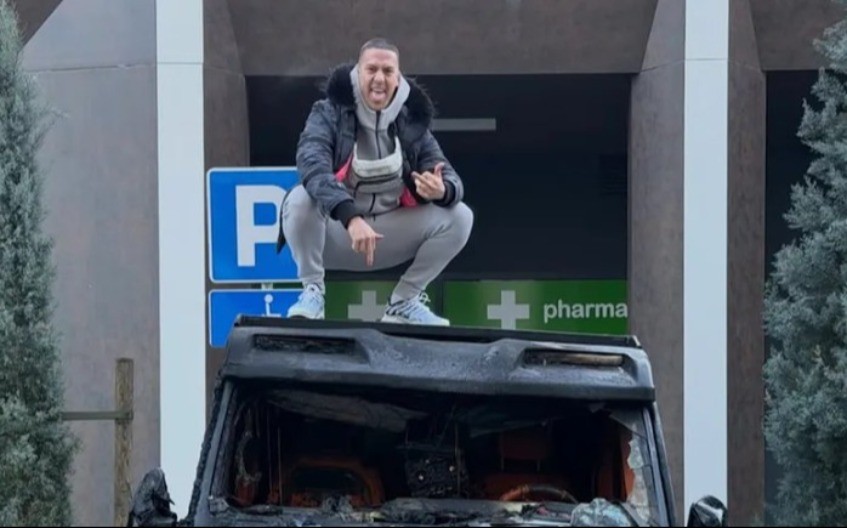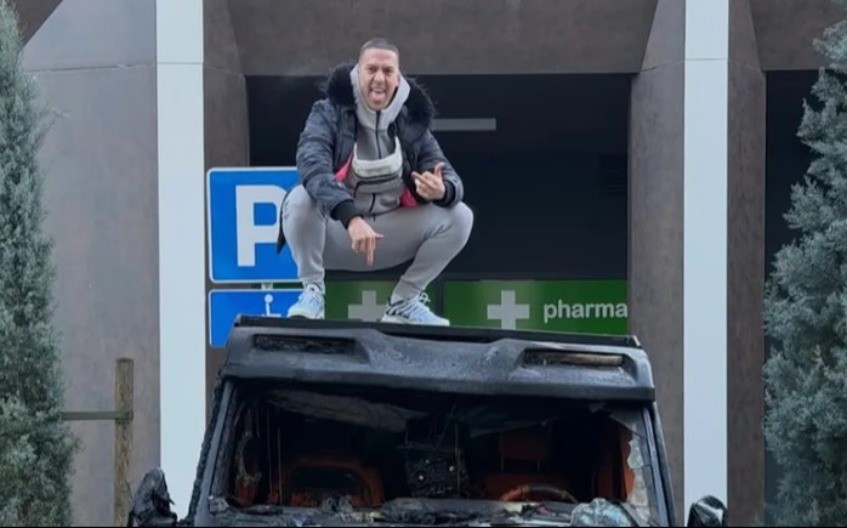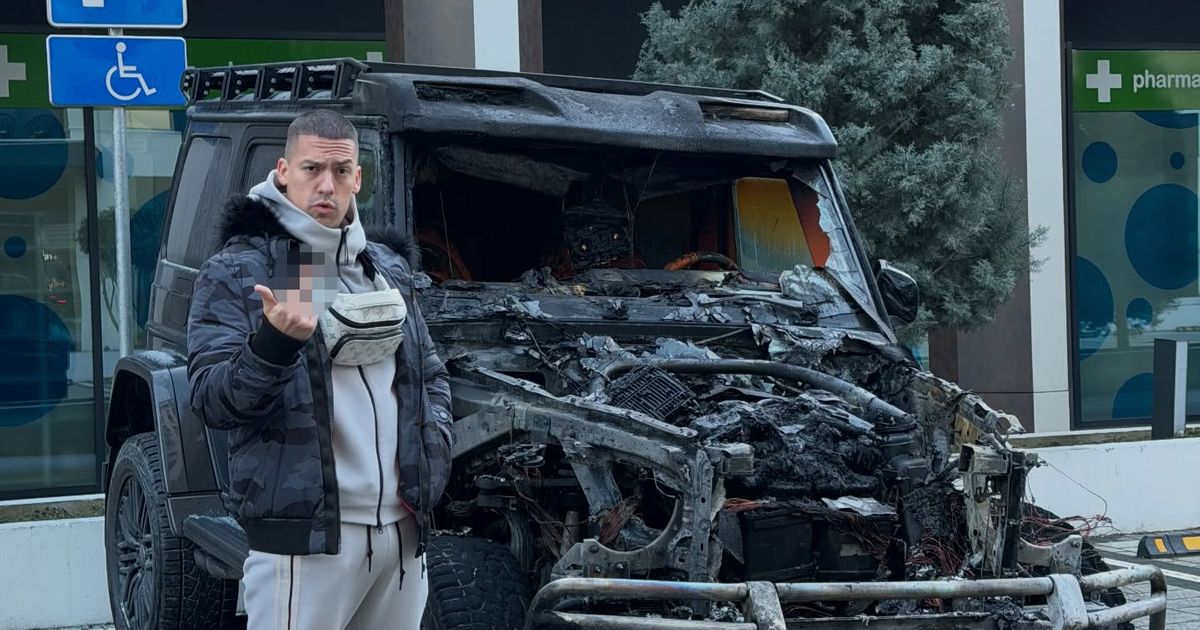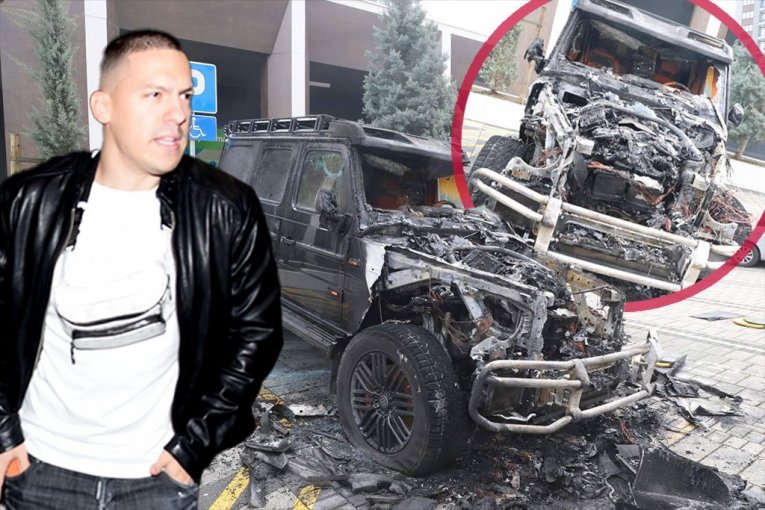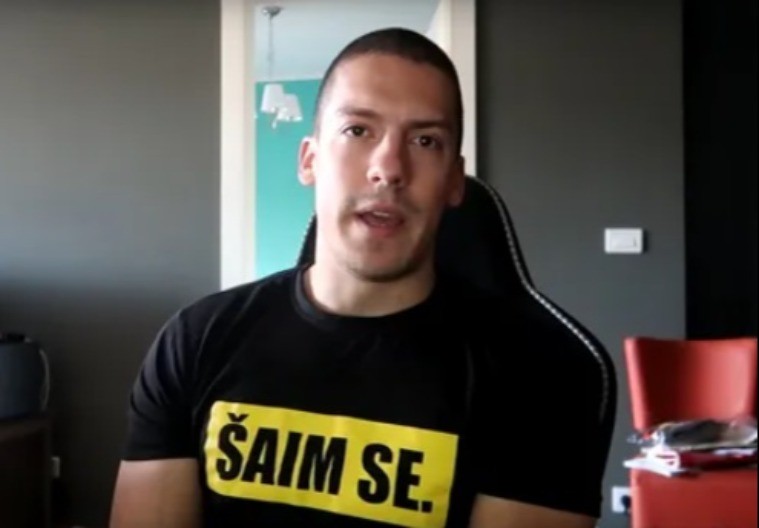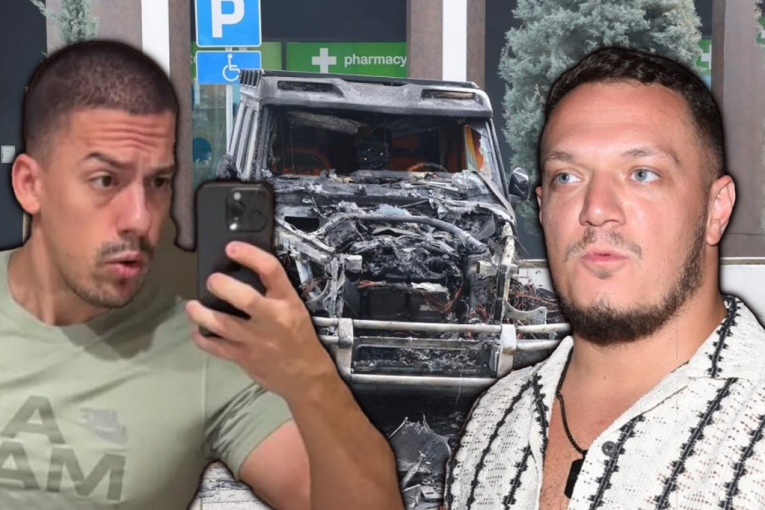






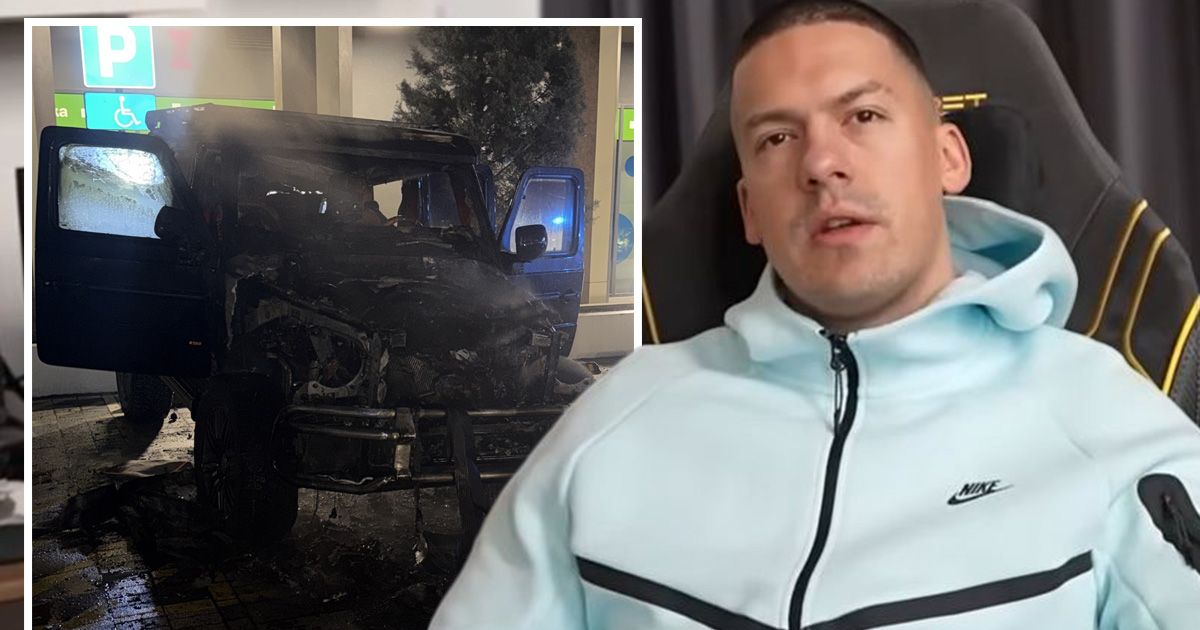
A luxury Mercedes G 800 Brabus, reportedly worth around 500,000 euros and owned by Serbian YouTuber Bogdan Ilić (Baka Prase), was deliberately set on fire in the early morning hours in the Belgrade Waterfront/Hercegovačka area. Both opposition and pro-government outlets agree the car was parked outside his building, that firefighters quickly extinguished the blaze and prevented wider damage, and that no one was injured. They concur that the incident is being treated as arson, that Ilić publicly confirmed the car was his and shared videos of the burning vehicle on social media, and that police and prosecutors are formally investigating. Pro-government reports, echoed by some opposition mentions, specify that a 23-year-old man identified as Z.R. has been arrested on suspicion of attempted extortion and causing general danger, and that authorities are looking for additional accomplices and possible organizers.
Across both camps, coverage places the event within a broader pattern of violent pressure and alleged extortion targeting public figures and businesses in Belgrade. Outlets broadly relay Ilić’s claim that he was threatened shortly before the attack and that he believes the motive was his refusal to pay so-called protection money, highlighting his insistence that he will not pay and that his priority is safety rather than the material loss. Pro-government pieces frequently situate the attack in the context of ongoing operations by police, the Security Information Agency, and prosecutors against criminal groups, with some reports linking the case to the so-called Vračar clan and to a series of bombings and arson attacks in the city. Both sides acknowledge that surveillance cameras recorded the incident and that the investigation, including possible higher-level organizers and a criminal background to the attack, is still unfolding.
Points of Contention
Attribution and political framing. Opposition-aligned sources describe the burning of Baka Prase’s car primarily as another symptom of a deteriorating security climate in an elite Belgrade neighborhood, implicitly questioning how such an attack could occur despite heavy policing and surveillance. They emphasize the sequence of prior threats and the notion that “cars don’t just catch fire,” hinting at systemic failures or tolerance of criminal structures. Pro-government outlets, in contrast, highlight rapid police action, the swift arrest of Z.R., and coordination between the Interior Ministry, security services, and prosecutors, framing the case as proof that institutions work effectively against organized crime.
Focus of coverage and tone. Opposition media tend to center on the gravity of the attack, the high value of the vehicle, and the chilling effect of extortion attempts on public figures, treating Ilić mainly as a target of organized pressure. They pay less attention to his personal lifestyle and more to the suggestion that the attack was anticipated or part of a pattern, using a relatively sober tone. Pro-government outlets, while covering the crime details, devote substantial space to Baka Prase’s social media reactions, his joking comments, celebratory posts with rakija, and hospitalization with an IV, sometimes presenting the episode as quasi-spectacle and softening the seriousness with tabloid-style framing.
Systemic causes and responsibility. Opposition reports implicitly connect the incident to a broader environment in which criminal clans operate with perceived impunity, suggesting that repeated bombings and arsons point to deeper governance and rule-of-law problems. They stress that prior threats and on-camera evidence did not prevent the attack, which they imply reflects on state capacity and political responsibility, even when not named directly. Pro-government coverage instead frames systemic causes largely in terms of entrenched criminal groups like the Vračar clan and portrays the state as an active combatant rather than as a source of the problem, emphasizing potential long prison sentences as a deterrent.
Victim portrayal and credibility. Opposition-aligned outlets generally treat Ilić as a credible victim, foregrounding his claim that the attack followed extortion attempts and threats and that he refused to pay protection money, with little questioning of his narrative. Pro-government media, while repeating the same claims, complicate his image by highlighting his controversial public persona, turbulent life, and seemingly flippant or celebratory reaction to the burning car, which can subtly cast doubt on how seriously to take his statements. This difference results in opposition pieces framing the story as a straightforward intimidation case, while pro-government pieces mix victimhood with character commentary and entertainment elements.
In summary, opposition coverage tends to frame the arson as a symptom of broader insecurity and systemic impunity, focusing on threats, background, and state responsibility, while pro-government coverage tends to spotlight swift institutional action and sensational personal angles, portraying the case as a success of law enforcement against criminal groups rather than an indictment of the system.
Story coverage
pro-government
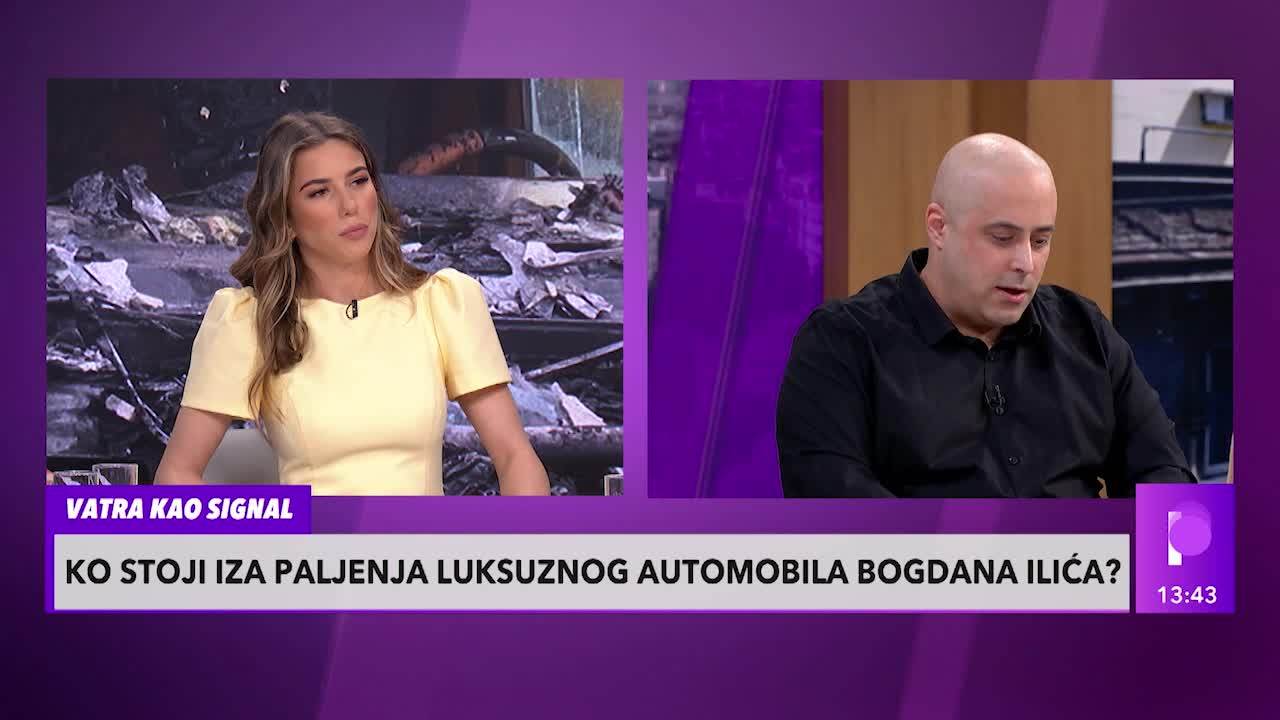
Miša Vacić on Bake Prase's Car Burning: "I am sure Bogdan knew he was in danger!"
Kurir
a month ago