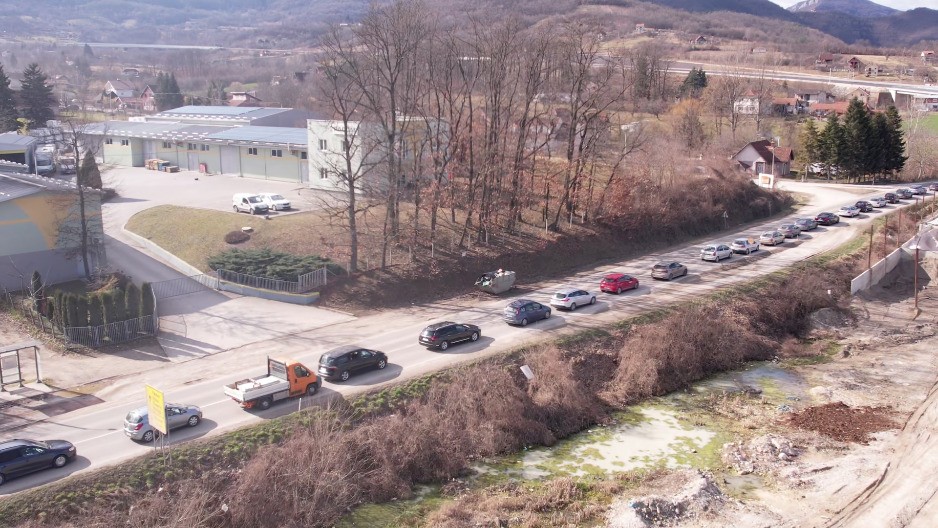

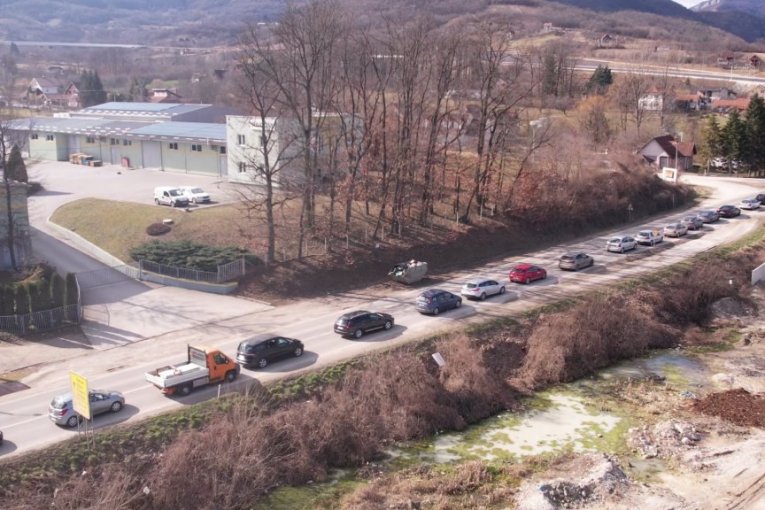
Holiday travel associated with an extended holiday weekend has caused heavy congestion on roads leading to Zlatibor, with both opposition and pro-government outlets agreeing that traffic jams and kilometer-long queues have formed on key approach routes. Reporting converges on Zlatibor as a primary hotspot, describing a major influx of visitors that has nearly filled local accommodation, with some estimates putting hotel occupancy around 95% and daily tourist numbers in the tens of thousands. Coverage notes that police and road authorities are present and that officials are urging drivers to remain patient, keep safe distances, and adapt speed to road and weather conditions in order to avoid accidents and secondary incidents.
Shared context across the spectrum highlights Zlatibor’s status as a major winter and holiday destination, a magnet for domestic tourism whenever there is an extended weekend or public holiday. Outlets emphasize that the area’s popularity is tied to its skiing facilities, the Gold Gondola, nearby caves and waterfalls, and a range of accommodation and dining options that attract families and groups from across Serbia. Both sides situate the congestion within broader patterns of recurrent peak-season bottlenecks on Serbia’s main roads, acknowledging the combination of increased car ownership, concentrated travel periods, and the draw of mountain resorts as structural drivers of the holiday traffic surge.
Points of Contention
Responsibility and blame. Opposition-aligned sources typically frame the congestion as a symptom of government mismanagement, arguing that chronic underinvestment in road capacity and poor holiday traffic planning have turned predictable peaks into avoidable gridlock. They tend to highlight the absence of timely lane management, inadequate diversion routes, and limited coordination between police and road services. Pro-government outlets, by contrast, largely present the situation as an unavoidable consequence of an exceptionally high number of travelers heading to a desirable destination at the same time, emphasizing natural bottlenecks rather than policy failures.
Tone and framing of the event. Opposition coverage is likely to stress frustration, describing drivers as stranded for hours and portraying "traffic collapse" as part of a broader narrative of systemic dysfunction, sometimes foregrounding angry citizen testimonies and negative social media reactions. Pro-government outlets adopt a more promotional and reassuring tone, pairing reports of long queues with upbeat descriptions of Zlatibor’s attractions and the "lively" atmosphere, and framing jams as an indicator of economic vitality and booming domestic tourism. This contrast turns the same traffic event into either a symbol of decay or a sign of prosperity, depending on the outlet.
Depiction of state response and institutions. Opposition sources generally question the effectiveness of the authorities’ response, pointing to reactive rather than proactive measures, vague advisories to drivers, and a lack of visible contingency plans as evidence that institutions are either overwhelmed or complacent. They may underscore any reports of accidents or bottlenecks at toll booths and junctions to argue that infrastructure and traffic control systems are not keeping pace with demand. Pro-government media, on the other hand, foreground police presence and official safety messages, portraying institutions as actively managing a difficult but expected situation and emphasizing calls for caution rather than shortcomings in planning.
Infrastructure and long-term planning. Opposition-aligned outlets tend to connect the Zlatibor congestion to long-term issues, criticizing delays in completing bypasses, expanding key corridors, or improving public transport alternatives that could ease road pressure. They often reference repeated holiday and weekend jams as proof that promised infrastructure upgrades have not materialized at the necessary scale or speed. Pro-government sources instead highlight existing improvements and ongoing projects, suggesting that development is progressing and that high traffic volumes simply reflect more citizens being able to travel, with future upgrades expected to further alleviate such bottlenecks.
In summary, opposition coverage tends to use the Zlatibor holiday gridlock as a case study in governance and planning failures, emphasizing citizen frustration and institutional shortcomings, while pro-government coverage tends to normalize the congestion as a side effect of growing tourism and prosperity, highlighting attractions, high occupancy, and official safety messaging rather than systemic blame.