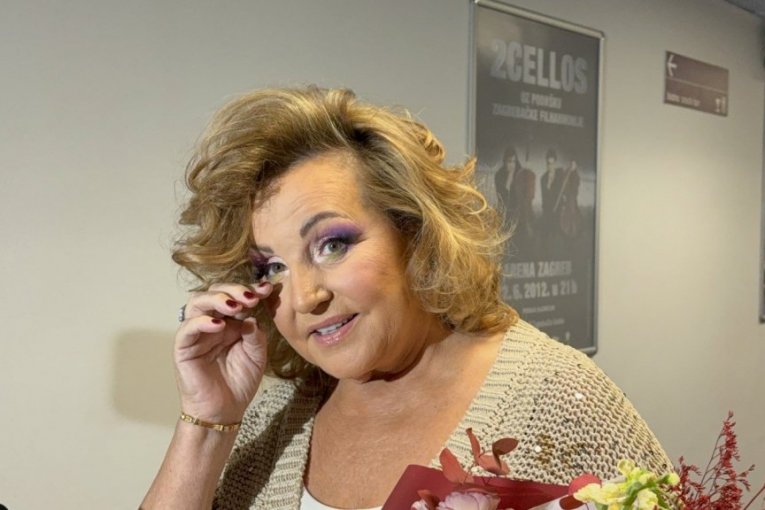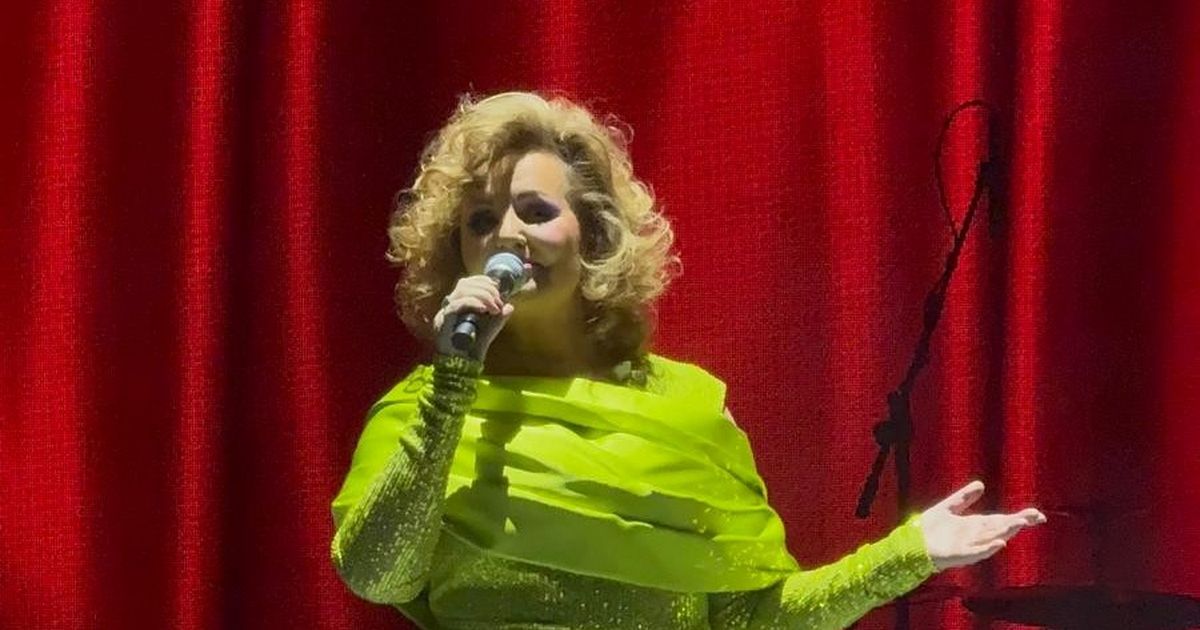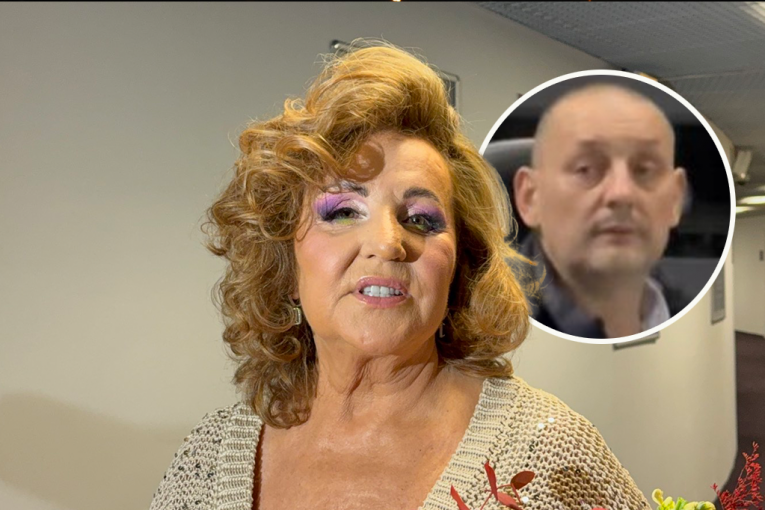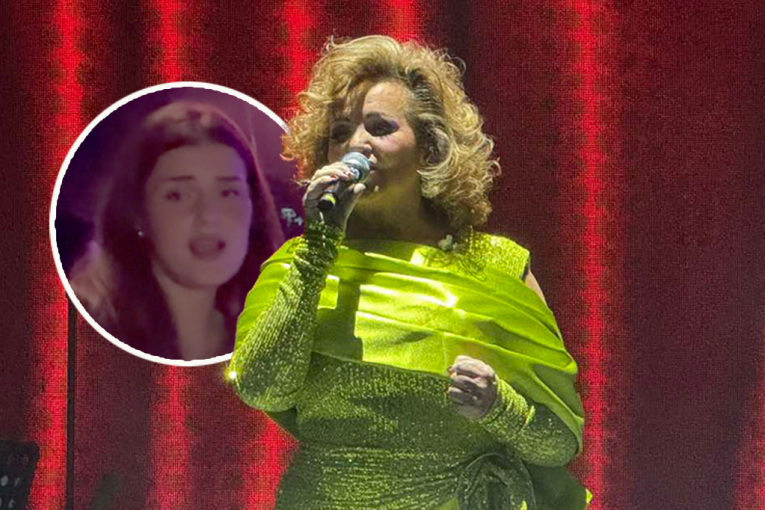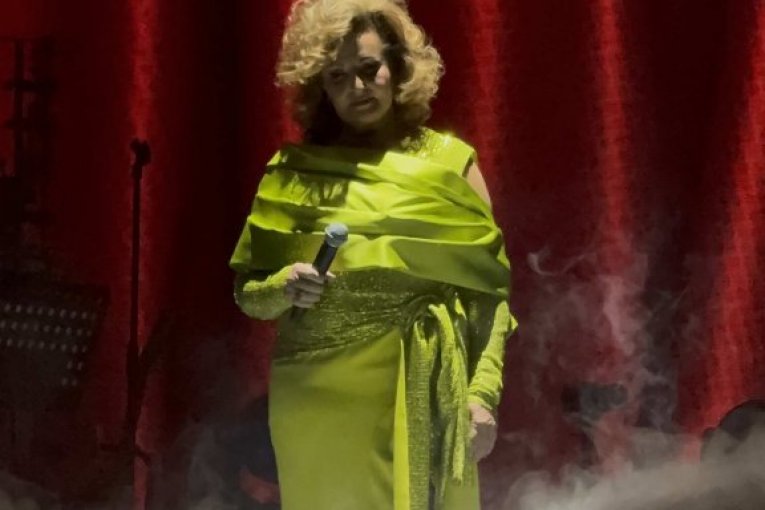



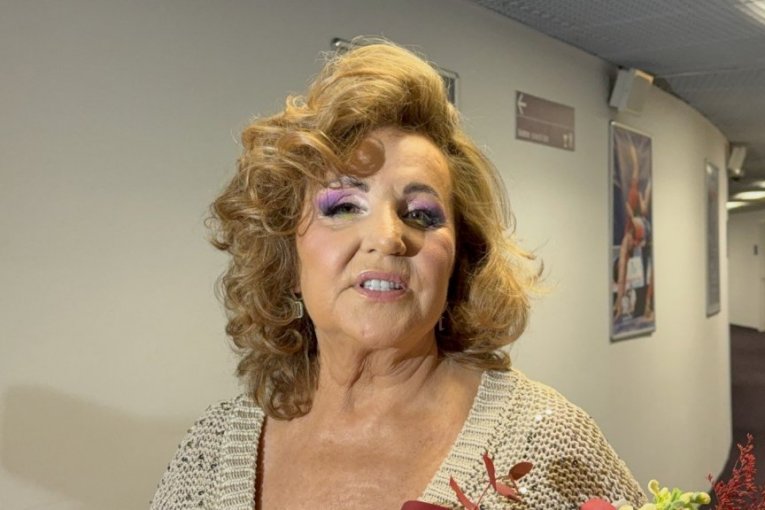
Ana Bekuta held a large, emotional Valentine's Day concert on February 14 at Arena Zagreb, framed in all coverage as both a celebration of love and a milestone in her decades-long career. Reports agree that she performed her greatest hits to a packed venue, openly expressed how much she misses her late partner Milutin Mrkonjić and her deceased parents, and repeatedly broke into tears or paused the concert while addressing the audience. Media also concur that the event had an intimate, family dimension: her son Igor, whom she gave up for adoption as a teenager but later reconnected with, attended and was highlighted as a key source of support, and her granddaughter Sonja was also present, alongside regional music figures such as Alka Vuica and respected Croatian singers. All outlets describe the show as carefully structured, with the opening segment dedicated to her late loved ones, followed by crowd-pleasing hits and sing-alongs that positioned the evening as a shared emotional journey rather than just a standard tour date.
Across the spectrum, coverage places the concert within the broader context of Bekuta’s roughly 40-year career and her longstanding cross‑border appeal in the former Yugoslav region, especially her affection for Croatian musical heritage. Media consistently emphasize her onstage tributes to Croatian icons Gabi Novak and Tereza Kesovija as symbols of artistic respect and cultural continuity, with the entire arena reportedly rising to its feet during these moments. Outlets also note the personal symbolism of the date, highlighting that the concert coincided with the anniversary of her relationship with Mrkonjić and served as a public ritual of mourning and remembrance. Additionally, there is shared reference to her recent public tensions involving Jelena Karleuša, with all sides acknowledging that she downplayed any conflict before the show and positioned herself as focused on music, love, and family rather than scandal.
Points of Contention
Emotional framing and political undertones. Opposition-aligned sources are more likely to frame Bekuta’s visible grief over Mrkonjić as inseparable from his political legacy, subtly linking the concert’s emotional peaks to debates over Serbia’s past governance and the symbolism of his figure, whereas pro-government outlets treat his presence mainly as a personal love story and a dignified, apolitical tribute. Government-friendly coverage foregrounds themes of loyalty, endurance, and traditional values in love and family, implicitly aligning Bekuta’s mourning with respect for state institutions and continuity. In contrast, opposition narratives, where present, tend to question or at least downplay any political halo around Mrkonjić, treating him as part of a controversial era rather than an uncontested figure of respect.
Cultural significance and regional symbolism. Opposition media tend to interpret Bekuta’s tributes to Croatian artists and her warm reception in Zagreb as evidence of organic, bottom‑up cultural reconciliation that transcends current governments and official narratives. Pro-government coverage, by contrast, often presents the same gestures as proof that Serbia’s cultural ambassadors are welcomed abroad and that regional relations are on a positive trajectory under the existing leadership’s broader climate. While both sides acknowledge the standing ovations and the arena’s emotional response, opposition sources stress the autonomy of culture from politics, whereas pro-government outlets more readily fold the concert into a story of successful regional soft power.
Personal history and moral messaging. When discussing Bekuta’s early decision to give her son up for adoption and their current close bond, opposition outlets are likelier to frame this as a complex social story about hardship, stigma, and institutional failures of past systems, hinting at structural issues facing young mothers. Pro-government media largely present the same backstory as a redemptive personal narrative emphasizing forgiveness, resilience, and the strength of the traditional family once it is reconstituted, minimizing any critical angle toward institutions. This leads to differing tones: opposition coverage leans toward empathy tinged with social critique, while pro-government pieces lean toward a moral tale of perseverance and family unity.
Handling of scandal and celebrity dynamics. In referencing the recent scandal involving Jelena Karleuša, opposition-aligned sources are more prone to highlight the broader power dynamics of the entertainment industry and how politically favored or establishment figures navigate controversy, sometimes reading Bekuta’s calm statements as a strategic distancing from open confrontation. Pro-government outlets, however, use her brief, conciliatory comment that there is no problem from her side to underscore her professionalism and maturity, portraying her as above tabloid conflict and focused on artistry. For opposition media this calmness can appear as image management within a politicized star system, whereas pro-government coverage casts it as proof of character and stability.
In summary, opposition coverage tends to read the concert as a culturally and emotionally rich event that also exposes contested political legacies and social undercurrents, while pro-government coverage tends to frame it as a unifying, apolitical celebration of love, family, and national cultural prestige centered on a dignified, loyal artist.
Story coverage