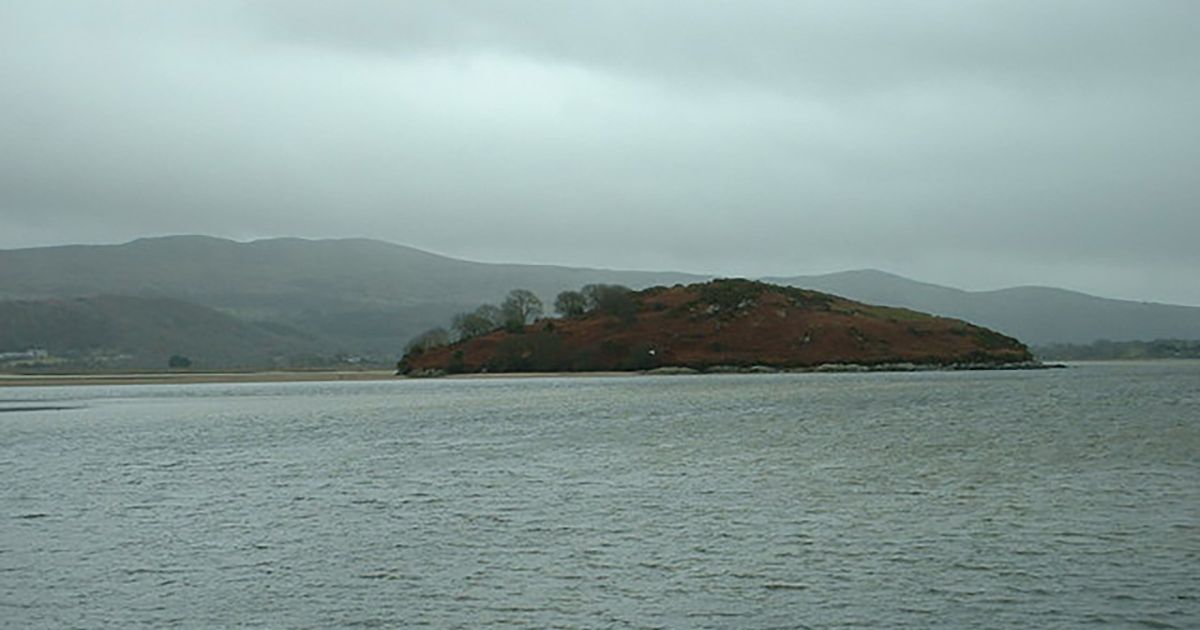

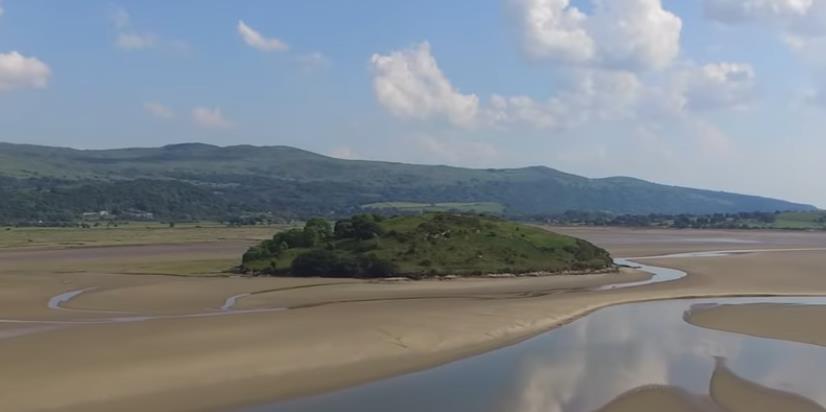
A small private island in North Wales, Ynys Gifftan, historically associated with Queen Anne and the British royal family, is being put up for sale with an asking price of about £350,000. Both sides report that the island covers roughly 7.2 hectares near Portmeirion, includes a Victorian-era stone house and several outbuildings in need of major renovation, and offers pastures, panoramic coastal views, and significant privacy, with access possible on foot at low tide across muddy ground.
Coverage from both camps agrees that the island’s appeal lies in its combination of natural beauty and historical pedigree, framing it as a rare chance to buy a heritage property at a price far lower than typical private islands. They also converge on the idea that the site is largely untouched, that any buyer would face substantial restoration work and logistical challenges because of its tidal access, and that its royal connection and relative seclusion position it as a niche investment for someone interested in conservation, restoration, or a distinctive second home with cultural resonance.
Points of Contention
Symbolism and narrative framing. Opposition-aligned outlets tend to frame the sale as emblematic of broader questions about the commercialization of royal and national heritage, sometimes hinting at unequal access to historically significant landscapes, while pro-government media present it as an inspiring blend of tradition and opportunity with little sense of loss. Opposition sources are more likely to emphasize the contrast between the island’s royal past and its relatively modest modern price, implying a decline in the aura or stewardship of such assets, whereas pro-government sources cast that same contrast as proof that heritage can be enjoyed by ordinary investors. Where opposition coverage might foreground the tension between public interest and private ownership, pro-government coverage leans into a lifestyle and investment story.
Economic and policy context. Opposition reporting, where it appears, connects the listing to housing pressure, rural property speculation, and questions over who benefits from coastal and island real estate, suggesting that such sales can contribute to local inequality or hollowed-out communities. Pro-government outlets, in contrast, emphasize potential economic upsides, suggesting that investment and restoration work could create local jobs and tourism spillovers, and they largely avoid critical discussion of land policy or housing. Opposition voices tend to situate the island within debates on land reform and second-home taxation, while pro-government sources leave those issues implicit or ignore them altogether, focusing on the individual buyer’s prospects.
Environmental and planning implications. Opposition sources are more inclined to raise environmental concerns, pointing out that increased development, even in the form of renovation, could affect delicate coastal ecosystems, and they highlight likely planning and conservation constraints as a safeguard that also signals regulatory friction. Pro-government coverage instead treats the island’s largely untouched nature as a selling point, assuming that sympathetic restoration will naturally align with preservation goals and mentioning restrictions only in passing, if at all. Where opposition coverage casts environmental regulation as a necessary check on potentially disruptive private projects, pro-government outlets frame the same factors as manageable practicalities along an otherwise positive development path.
Royal heritage and public perception. Opposition-aligned commentary is more apt to question the ongoing symbolic role of former royal properties, asking whether such sites should have stronger public oversight or interpretive access rather than being treated as ordinary commodities. Pro-government outlets, while highlighting the Queen Anne connection for its prestige and romantic appeal, avoid critical reflection on the monarchy and instead frame the royal link as a unique marketing edge. Thus, opposition coverage uses the story to interrogate the relationship between monarchy, land, and the public, whereas pro-government coverage treats that relationship as settled background that simply enhances the property’s charm.
In summary, opposition coverage tends to use the island’s sale as a springboard to probe structural issues around land, housing, environment, and the meaning of royal heritage, while pro-government coverage tends to celebrate it as a picturesque, historically flavored investment opportunity with minimal political or policy baggage.