
pro-government
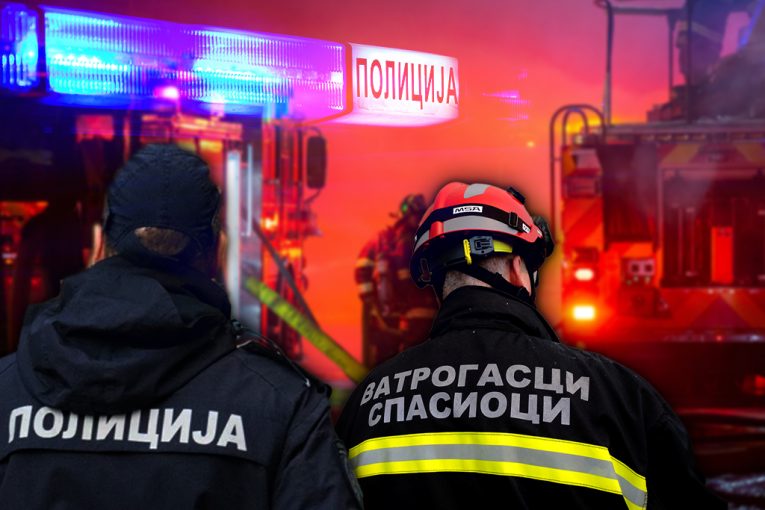
GREAT FIRE IN RAKOVICA: Fire broke out in an apartment
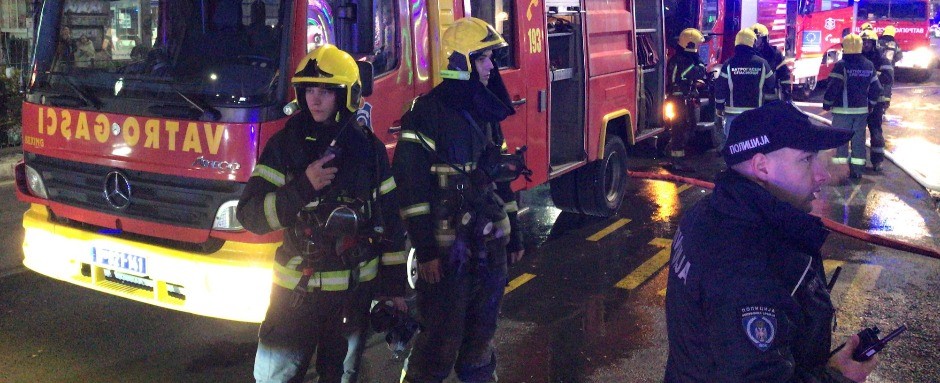
Two fire trucks arrived at the scene
2 months ago
A fire broke out in an apartment in Belgrade’s Rakovica municipality, specifically in a residential building on Slavka Rodića Street. Both sides report that the blaze affected a unit on the first floor and that the flames were concentrated on the back side of the building, prompting an emergency response. At least two fire trucks were dispatched to the scene, and firefighters intervened to contain the fire in the affected apartment and prevent further spread through the building. Coverage from all sides agrees on the basic outline: a serious but localized apartment fire, rapid arrival of fire services, and a dramatic scene for residents and passersby.
Across outlets, the incident is situated within the routine work of Belgrade’s emergency and fire services rather than treated as an isolated or mysterious event. Both opposition and pro-government coverage, where available, frame the story in terms of public safety, the responsiveness of municipal services, and the general vulnerability of older residential buildings in neighborhoods like Rakovica. Shared context emphasizes standard fire brigade procedures, the importance of quick dispatch of units, and the broader issue of fire risks in dense apartment blocks. There is also a common understanding that investigations typically follow such incidents to clarify causes and assess possible material damage.
Emphasis and framing. Opposition-aligned outlets tend to describe the Rakovica incident with more detail on potential risks to residents and the scale of the danger, using it as an example of everyday hazards in aging housing stock and inconsistent safety oversight. Pro-government media, by contrast, emphasize the speed and sufficiency of the response, often using dramatic headlines but then focusing the body of the story on how fire services quickly arrived with two vehicles and localized the blaze. While opposition sources tend to link the fire to broader governance and urban-planning issues, pro-government outlets treat it more as a discrete emergency successfully handled by existing institutions.
Institutional performance. In opposition coverage, the incident is more likely to be set against a backdrop of chronic underfunding or mismanagement of local services, suggesting that any delay, confusion, or lack of information about residents’ safety reflects systemic problems. Pro-government outlets highlight the professionalism of firefighters and the smooth coordination of emergency services, implicitly framing the event as proof that municipal and state structures function effectively under pressure. Where opposition media might question inspection regimes, building maintenance, or enforcement of safety regulations, pro-government reporting foregrounds operational competence and the absence of a larger catastrophe.
Cause and accountability. Opposition-aligned sources are more inclined to raise questions about what caused the fire, whether faulty infrastructure, neglect, or inadequate preventive controls, and to imply that authorities should clarify responsibility and learn systemic lessons. Pro-government outlets, on the other hand, tend to either briefly mention that the cause is being investigated or omit detailed speculation, keeping the focus on containment rather than accountability. This creates a contrast between a narrative that seeks structural culprits and one that emphasizes incident management over deeper causal probing.
In summary, opposition coverage tends to treat the Rakovica apartment fire as a symptom of broader infrastructural and governance weaknesses and a prompt to question safety oversight, while pro-government coverage tends to present it as a dramatic but well-managed emergency that showcases the efficiency and reliability of state and municipal services.
pro-government
Two fire trucks arrived at the scene
2 months ago