

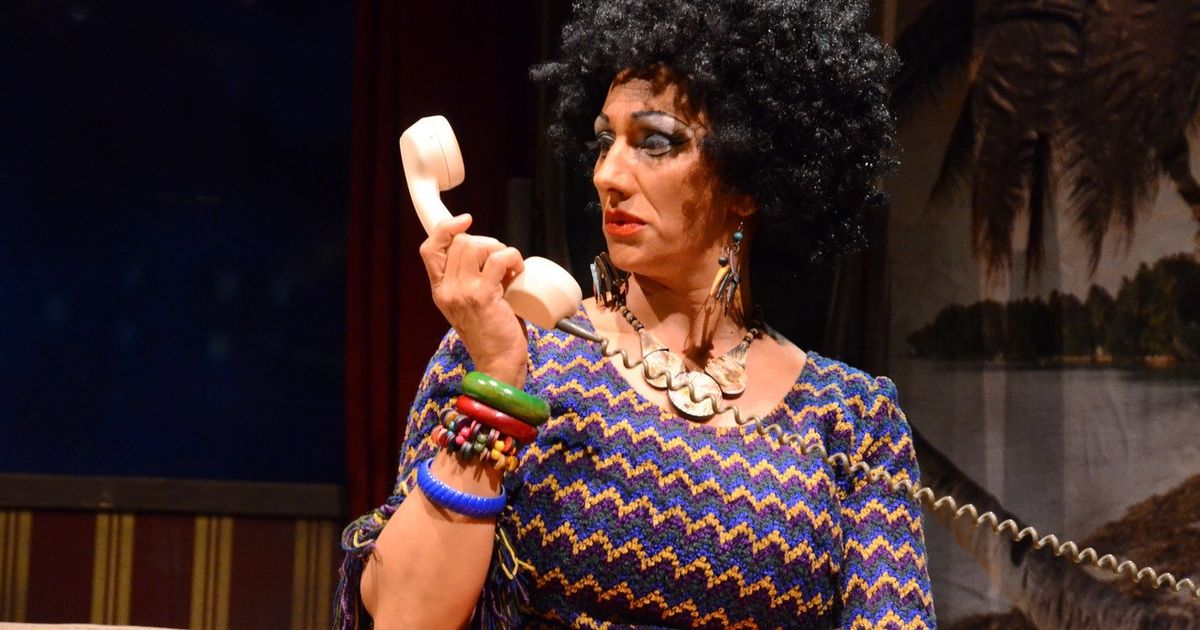
Gordana Đurđević Dimić, a Serbian drama actress, has been named the recipient of the "Dobričin prsten" lifetime achievement award for 2025, conferred by the Association of Drama Artists of Serbia (UDUS). Both opposition and pro-government-leaning outlets report that this is the most significant acting honor in Serbian theatre, that the jury reached its decision unanimously, and that she is the 38th laureate since the award’s establishment, with details of the formal ceremony still to be announced.
Across the spectrum, media describe "Dobričin prsten" as the highest national recognition for a theatre actor’s lifetime contribution, founded in 1980 and traditionally awarded by UDUS. They agree that the accolade includes a gold ring, a diploma, and a monograph dedicated to the recipient, and that it is positioned as a key institutional mechanism for canonizing distinguished stage careers and preserving the country’s theatrical heritage.
Points of Contention
Framing of the award’s significance. Opposition-aligned outlets tend to emphasize the artistic legacy of Gordana Đurđević Dimić and the historical continuity of Serbian theatre, framing the award as an achievement that stands above day-to-day politics. Pro-government outlets highlight the prestige of a state-linked cultural environment and stress that such awards prove the vitality of national culture under current governance. While both sides agree on the honor’s importance, opposition coverage downplays institutional self-congratulation, whereas pro-government coverage uses more celebratory language that implicitly validates existing cultural policy.
Institutional context and independence. Opposition sources are more likely to hint that cultural institutions, including UDUS, operate in a politicized climate, even if this particular decision is not directly questioned, and they may reference previous controversies to suggest a need for greater autonomy. Pro-government outlets instead stress UDUS’s professional authority and the unanimity of the jury, presenting the process as depoliticized and purely merit-based. As a result, opposition coverage treats the award as artist-centered within an imperfect system, while pro-government coverage treats it as proof that institutions function properly and independently.
Use of the occasion for broader messaging. Opposition-leaning media generally focus narrowly on Đurđević Dimić’s career and the symbolic value of honoring seasoned actors, avoiding tying the event to current government agendas. Pro-government outlets more often fold the news into a broader narrative about the state’s support for culture, sometimes linking the recognition to ongoing investments in theatres or national cultural projects. Thus, opposition coverage treats the story as a discrete cultural milestone, while pro-government coverage uses it as one data point in a success story about cultural policy.
In summary, opposition coverage tends to foreground Gordana Đurđević Dimić’s personal artistic merit and treat the award as a largely apolitical celebration of theatre, while pro-government coverage tends to integrate the honor into a wider narrative about effective cultural institutions and supportive state policy.
