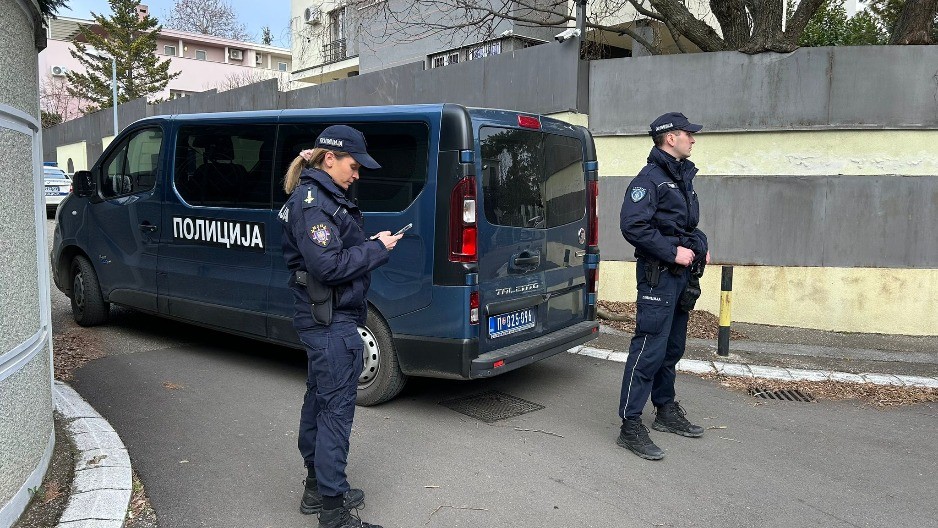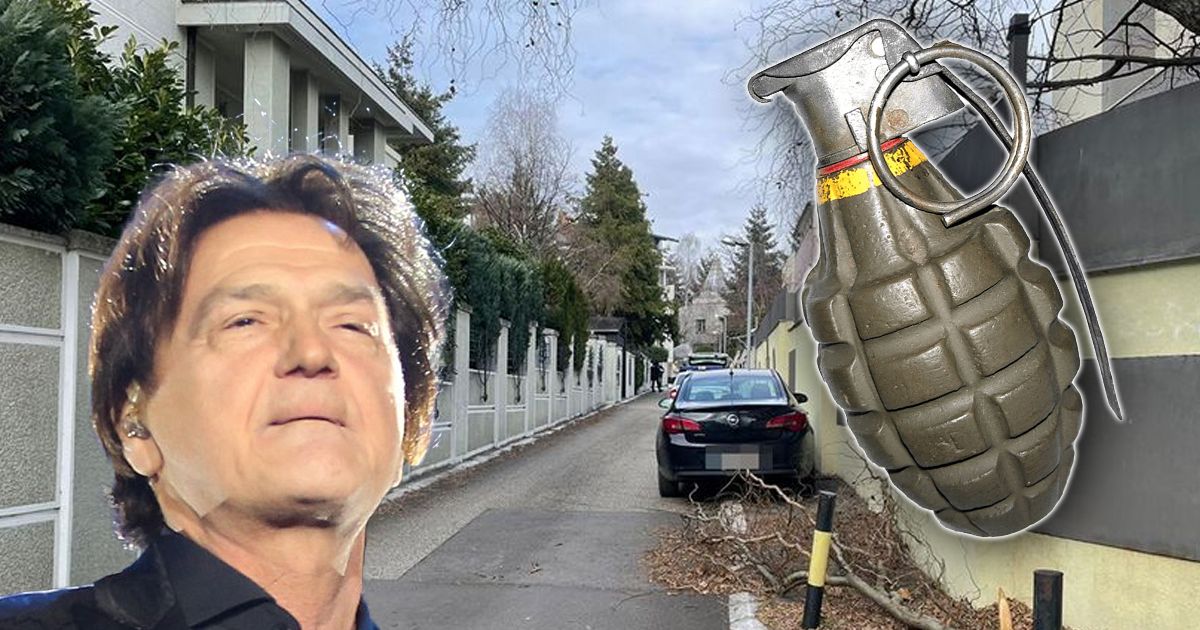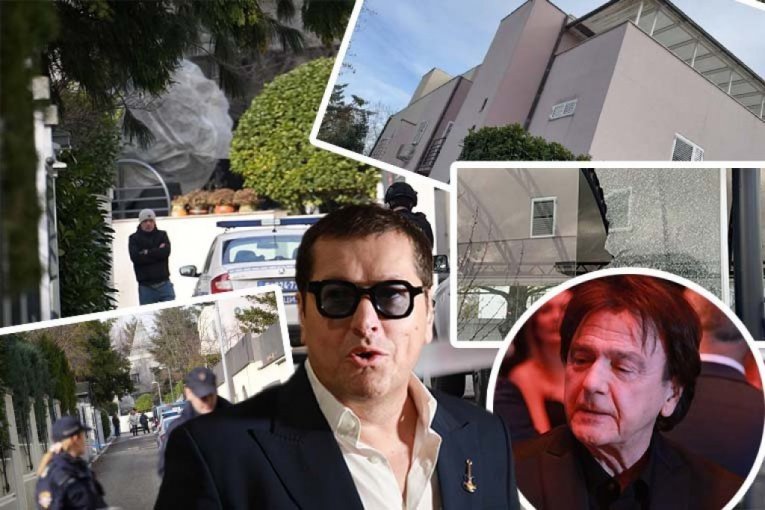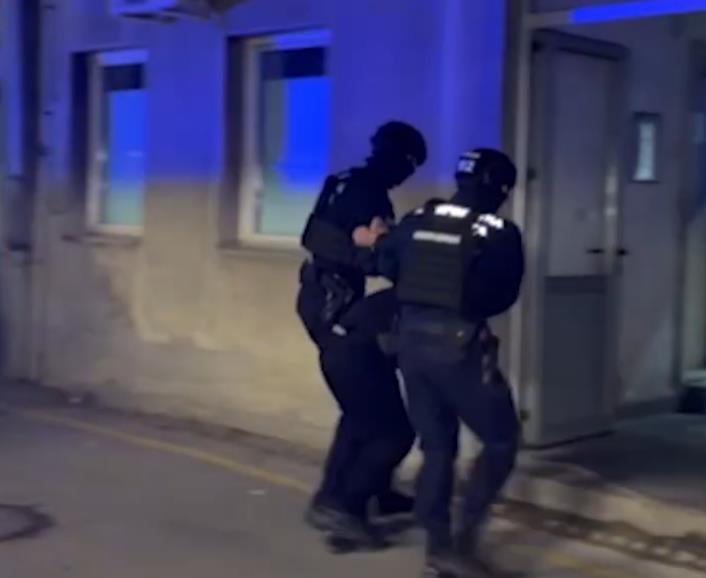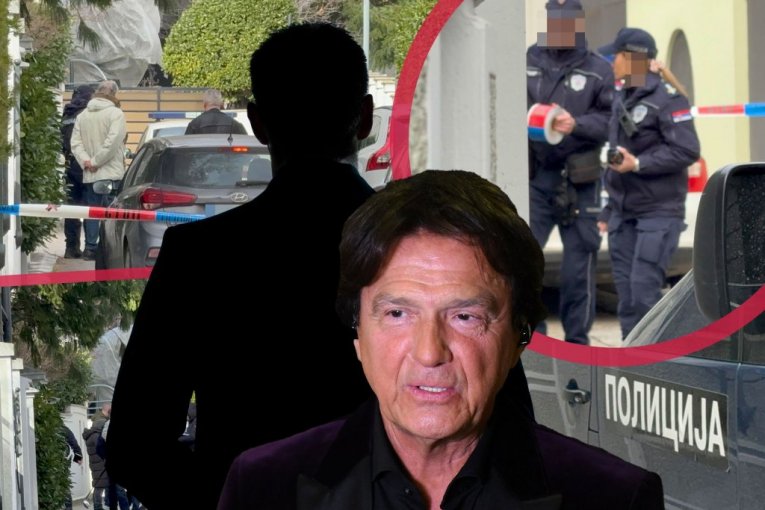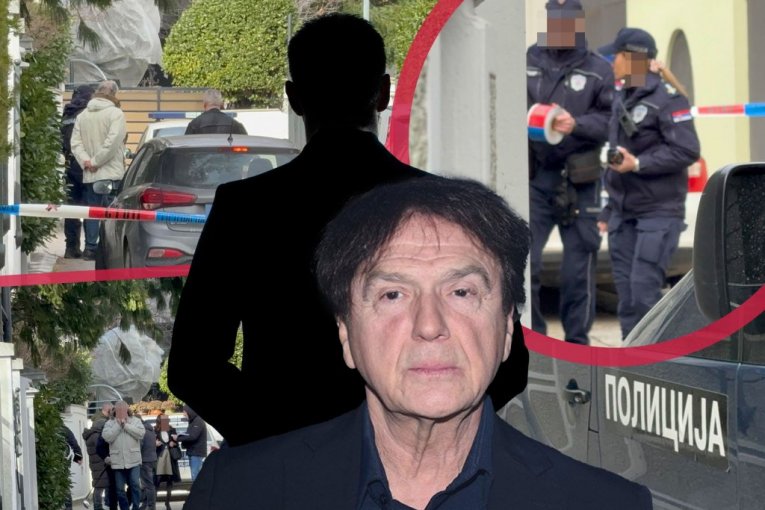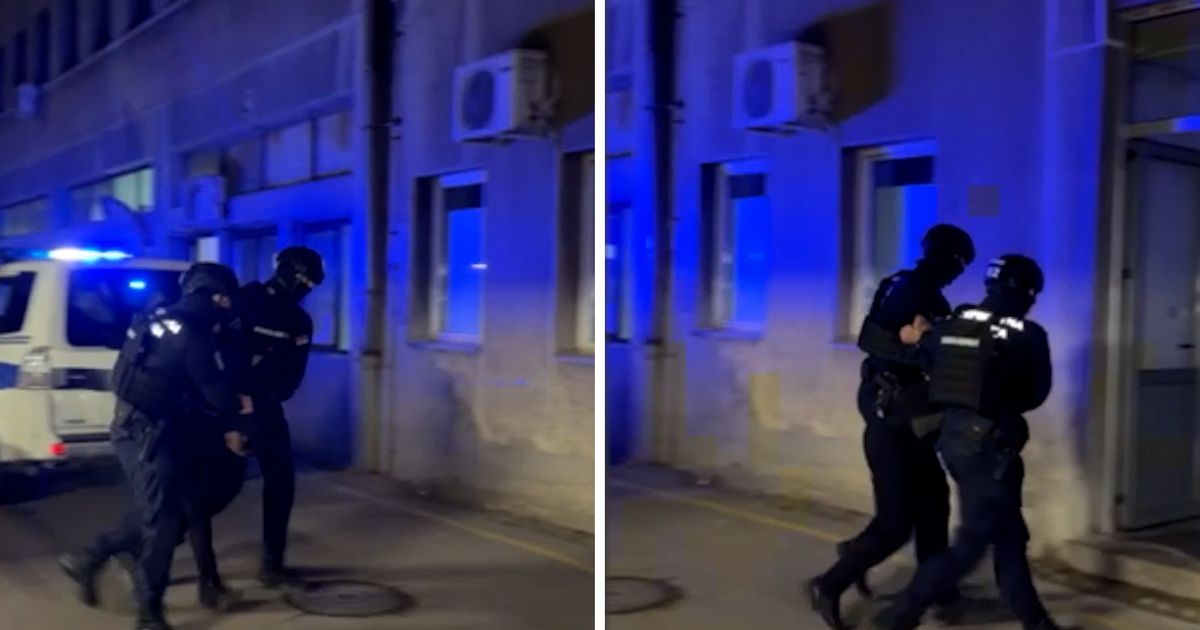



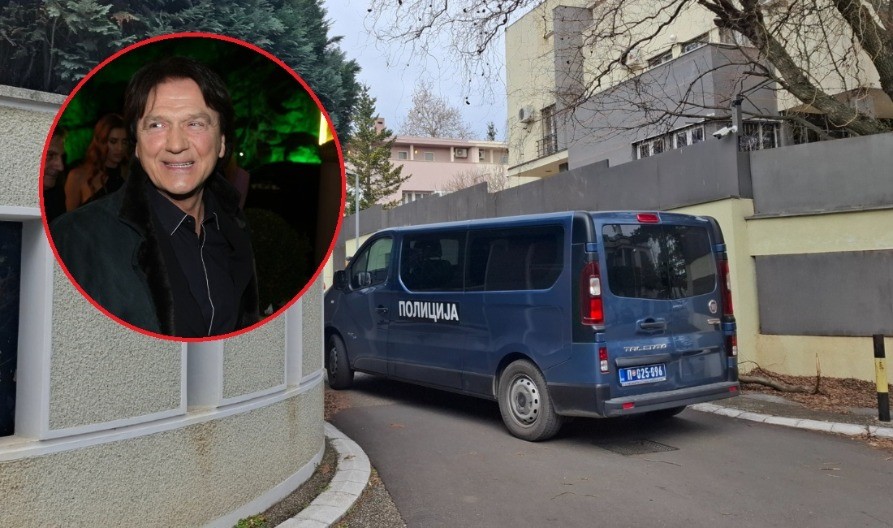
Police and government sources across the spectrum report that a third suspect has been arrested in connection with the hand‑grenade attack on the family home of singer Zdravko Čolić in Belgrade. The suspect, identified in pro-government reports as P.S. or Perica S., aged about 28, is accused of activating and throwing a grenade into Čolić's yard on 3 February, causing material damage to the facade and parked vehicles but no injuries. He has been placed in 30‑day pre‑trial detention and is alleged to have acted together with two previously arrested individuals, usually named as Senad M. and Marko A., with the latter suspected of supplying the explosives. Coverage also broadly agrees that the same group or its associates are being investigated for similar grenade attacks, including an incident targeting a house in Palilula in November, and that security camera footage played a role in identifying the suspects.
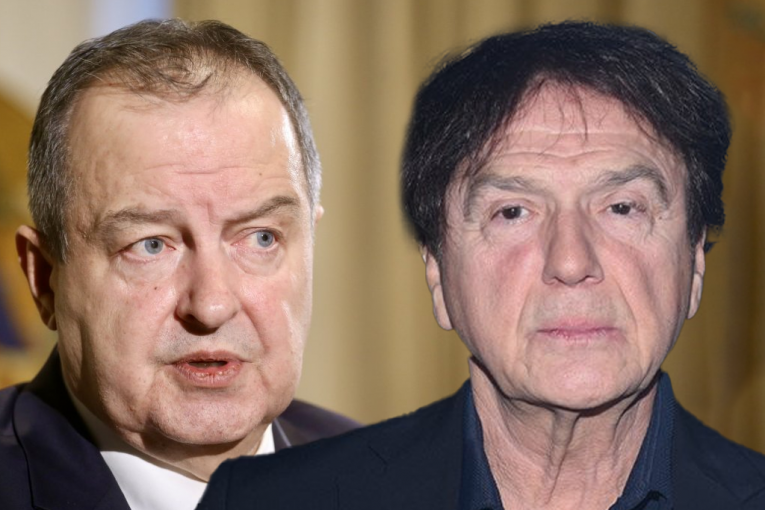
Outlets of both orientations describe the investigation as part of a wider police operation against bomb‑and‑racket networks that have been "ravaging Belgrade for months," with references to structures such as the so‑called Vračar clan and to figures like Aleksandar A. ("Kravica") who allegedly organized extortion by offering "protection" and using explosives when refused. There is shared emphasis that the motive for the attack on Čolić personally remains under investigation, with no confirmed link to his public role beyond his status as one of the region’s biggest music stars. Both sides note that senior officials, especially Interior Minister Ivica Dačić, have publicly addressed the case, outlining the suspects’ alleged roles in multiple attacks and framing the arrests as part of a continuing crackdown. Human‑interest angles, including reactions from fellow singers such as Aco Pejović expressing shock but saying he is not personally afraid, appear across coverage and underscore the sense that the attack has resonated beyond the criminal milieu.
Points of Contention
Framing of state effectiveness. Opposition-aligned sources tend to cast the third arrest as overdue damage control in a city they portray as long plagued by unchecked bomb attacks, suggesting the police response is reactive rather than preventative, while pro-government outlets present the operation as proof that institutions work quickly and decisively. Government-friendly coverage foregrounds Dačić’s statements, the speed of the 30‑day detention order, and a narrative of systematic dismantling of an extortion network. Critical outlets, by contrast, emphasize that similar attacks have been occurring for months, arguing that the very scale and persistence of these incidents expose deep failures in policing and political oversight.
Political responsibility and deeper causes. Opposition media are likely to use the Čolić case to question whether ruling-party patronage, corruption, or selective enforcement have allowed criminal groups like the alleged Vračar‑linked racket to flourish, hinting that the bombing is a symptom of broader state capture. Pro-government coverage instead separates ordinary crime from politics, framing the suspects as isolated criminal actors and stressing that the government is determined to protect all citizens, including celebrities, from such violence. While loyalist outlets underline technical police work and legal procedures, opposition narratives tend to press on why these groups were able to "ravage Belgrade" for so long if institutions were functioning properly.
Narrative focus: celebrity vs. systemic crime. Pro-government outlets highlight Čolić’s status as "the biggest star" and amplify emotional reactions from other entertainers, using the attack’s shock value to rally support for the authorities’ crackdown and to show officials standing by beloved public figures. Opposition-aligned sources are more inclined to downplay celebrity angles and situate the bombing within a pattern of grenade attacks on businesses and homes, arguing that ordinary citizens face similar threats without comparable public concern or high-level statements. This leads to a contrast between a personalization of the incident around a famous victim in pro-government media and a more structural narrative about urban insecurity and everyday extortion in opposition coverage.
Motives and criminal networks. Government-friendly reporting leans on police briefings that link P.S., Senad M., Marko A., and alleged organizers like Aleksandar A. to an ongoing campaign of bomb‑based racketeering, suggesting a coherent, professionally targeted operation whose motives are financial. Opposition media, while not disputing the existence of such networks, are more likely to question how complete and transparent these linkages really are, speculating about possible undisclosed patrons or political connections and warning against prematurely closing the narrative around a single clan. Thus, loyalist coverage tends to present the arrests as clarifying the picture, whereas critical coverage suggests the official story may be partial and still evolving.
In summary, opposition coverage tends to treat the third arrest as evidence of a wider climate of insecurity and institutional weakness, probing political responsibility and systemic enablers of organized crime, while pro-government coverage tends to spotlight the rapid police work, emphasize official briefings and celebrity reactions, and frame the case as proof that the state is firmly in control of the fight against bomb‑extortion gangs.
Story coverage