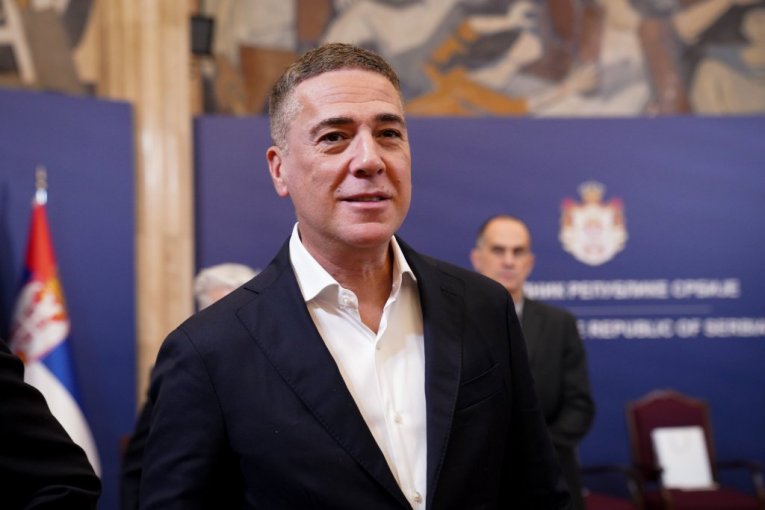

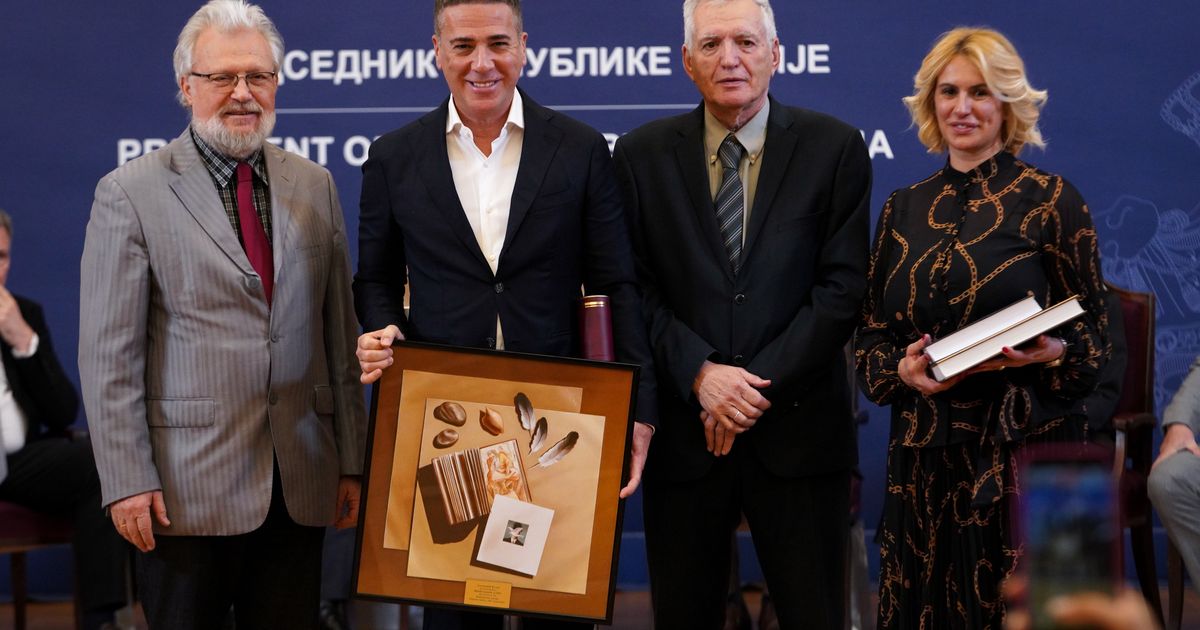
The latest coverage agrees that the Vuk Award ceremony for 2025 was held at the Presidency of Serbia, honoring individuals and institutions for notable contributions to Serbian culture, science, and the arts. All sides acknowledge that musician and composer Željko Joksimović was among the laureates, that he expressed gratitude and emphasized the personal and professional importance of the recognition, and that other prominent cultural figures and institutions also received both the standard Vuk Award and the Exceptional Vuk Award. Reporting converges on the fact that the prize has a long-standing tradition as a state-supported cultural honor and that it is positioned as one of the more prestigious acknowledgments of artistic and intellectual work in Serbia.
Across outlets, coverage places the event within the broader framework of Serbia’s institutional cultural policy, linking the award to efforts to celebrate and preserve national cultural identity. Both camps typically describe the Vuk Award as part of a historic lineage of distinctions named after Vuk Karadžić, highlighting its symbolic weight for language, literature, and the arts. They agree that the ceremony serves as an occasion for the state and cultural authorities to showcase exemplary long-term work and dedication, and to affirm the role of artists like Joksimović in shaping contemporary Serbian cultural life.
Points of Contention
Framing of the award’s political dimension. Opposition-aligned outlets tend to stress or imply that the Vuk Award is closely intertwined with the current government’s cultural agenda, suggesting that state patronage can influence who is elevated as a cultural symbol, even when the recipient is widely respected like Joksimović. Pro-government media, by contrast, largely depoliticize the event, presenting the award as an organic recognition of merit and continuity of national tradition, and focusing on the prestige of the ceremony at the Presidency. Where opposition voices might question the broader selection processes or signal possible favoritism, pro-government reports emphasize institutional stability and national pride rather than political calculations.
Portrayal of Željko Joksimović. Opposition coverage generally acknowledges Joksimović’s artistic status but is more inclined to situate him within a wider field of cultural figures who navigate, accommodate, or benefit from the ruling structures, sometimes subtly questioning the neutrality of honors he receives. Pro-government outlets highlight his career achievements, international reputation, and cultural impact, using the award to reinforce a narrative that state institutions duly reward Serbia’s most successful artists. While opposition sources may hint at the risk of co-opting popular musicians into state symbolism, pro-government sources portray him as an apolitical, consensus cultural figure whose recognition unites the public.
Emphasis of human-interest versus institutional narrative. Opposition-leaning media are more likely to zoom out from the personal story and treat the ceremony as another example of how the state stages cultural events at the Presidency for image-building, sometimes downplaying or omitting emotional family reactions. Pro-government outlets heavily foreground human-interest angles, such as the pride expressed by Joksimović’s daughter on social networks, to personalize the award and underscore its emotional and generational significance. Thus, while opposition coverage tends to foreground institutions and power relations around the award, pro-government reporting foregrounds family pride, artistic perseverance, and celebratory atmosphere.
Role of the state in cultural validation. Opposition sources often frame the Vuk Award as part of a broader pattern in which the state claims ownership over cultural capital, suggesting that true cultural value is determined in society at large rather than by awards given in the seat of executive power. Pro-government coverage presents the state as a legitimate and necessary arbiter that safeguards cultural standards and ensures that long-term contributors like Joksimović receive formal recognition, portraying the Presidency setting as proof of seriousness rather than political appropriation. This leads opposition outlets to be more skeptical of the state’s gatekeeping role, while pro-government outlets describe that role as benevolent and protective of national heritage.
In summary, opposition coverage tends to treat the Vuk Award ceremony as another state-curated cultural performance whose symbolism and selection may serve the ruling authorities as much as the arts, while pro-government coverage tends to present it as a straightforward, apolitical celebration of Željko Joksimović’s accomplishments and the enduring prestige of Serbia’s cultural institutions.