
pro-government
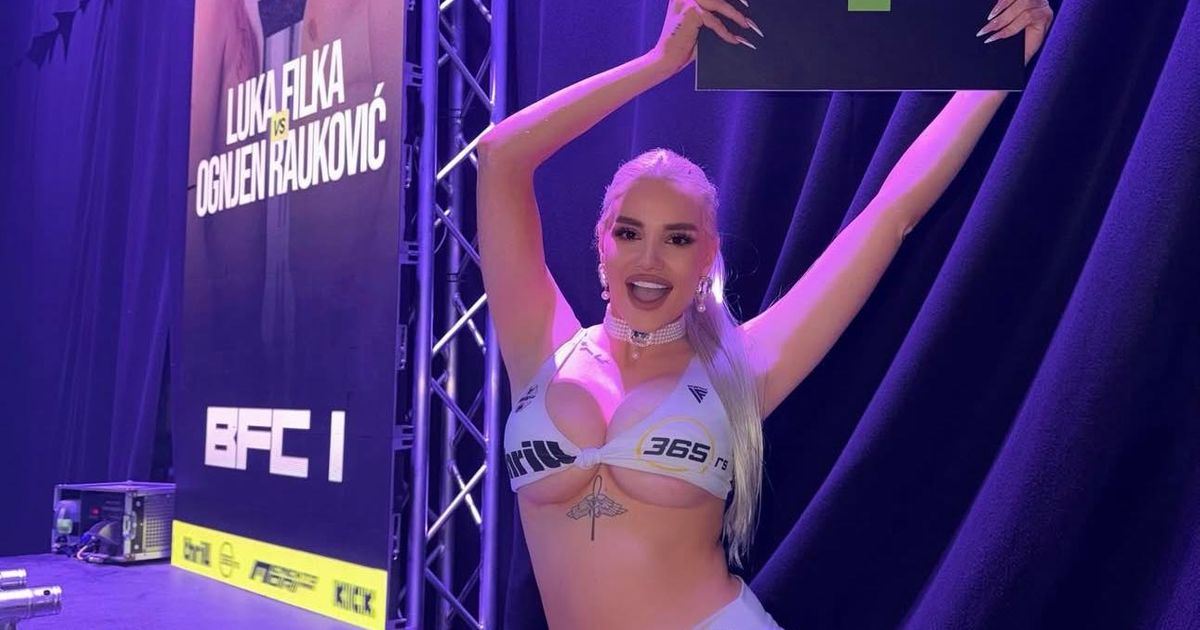
Svi gledaju u bivšu miss Balkana na tučama Bake Praseta: Grudi ispale iz topa, a šorc na pola zadnjice
Bivša misica, Jelena Knežević, večeras ima posebnu ulogu na događaju koji organizuje jutjuber Baka Prase.
2 months ago
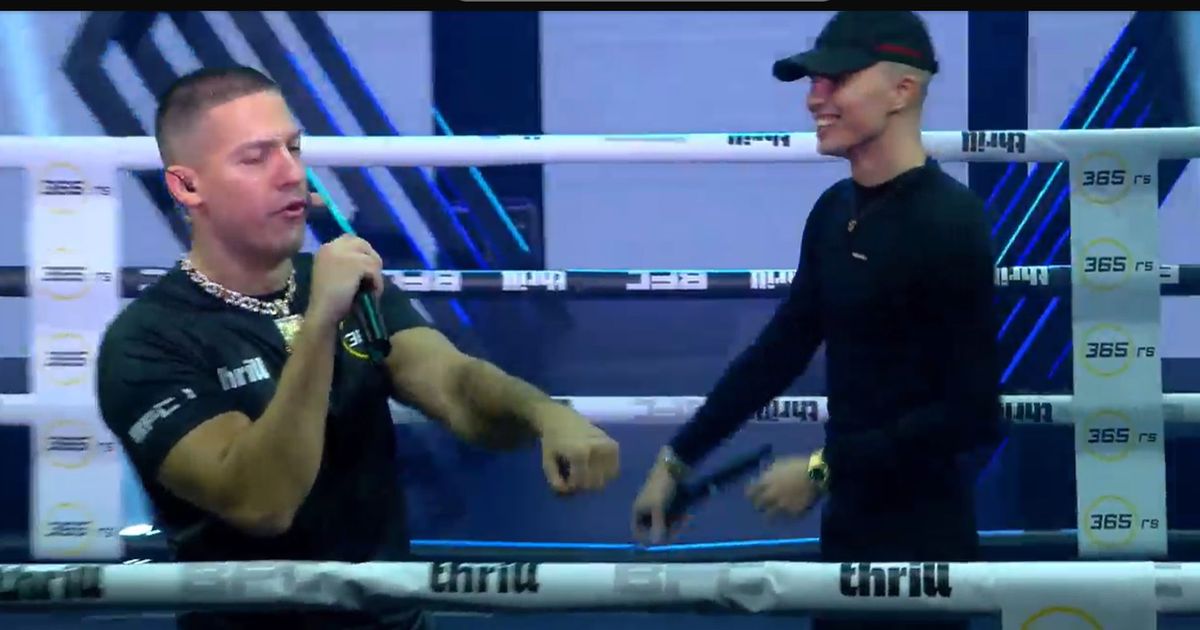
Baka Prase (Bogdan Ilić) organized the inaugural Baka Fighting Championship in Serbia, an influencer boxing event featuring prominent local YouTubers and TikTokers. Both opposition and pro-government outlets agree that the centerpiece was a boxing card built around matches such as Luka Silni versus Mali Bobi, Marko Džek versus Pečurka, and Marko Filipović versus Biza Don Kruševac, with an arena setting and large online viewership reportedly reaching around 600,000 people. Coverage is consistent that Pečurka briefly became the focus of viral attention when he knocked Marko Džeka out of the ring after the bell, before later surrendering in the fourth round due to an ankle injury, and that judges’ decisions determined the outcomes of some bouts. They also concur that rapper Vojaž performed live, presented Baka Prase with a valuable necklace, and publicly expressed interest in joining future editions of the event.
Across outlets, there is shared framing of Baka Fighting Championship as part of a wider trend of influencer and celebrity combat sports formats imported from global platforms into the Serbian digital scene. Both sides describe the event as a crossover between online entertainment, music performance, and semi-professional combat sports, with influencers serving as fighters and content creators rather than trained athletes. They also note the use of flashy production values, ring girls such as former Miss Balkans Jelena Knežević, and heavy social media promotion to drive engagement and monetization. There is broad agreement that the event illustrates how internet personalities increasingly occupy spaces once dominated by traditional sports and entertainment industries, and that such spectacles primarily target younger online audiences.
Tone and framing of the event. Opposition-aligned outlets tend to frame the Baka Fighting Championship as a symptom of cultural decline and a spectacle of vulgarity that reflects poorly on mainstream values, while pro-government media describe it as a "spectacle for the ages" and a pioneering entertainment format. Critical coverage emphasizes the perceived circus-like nature of the show and questions whether it deserves the attention it receives, whereas loyalist coverage highlights the high production quality, packed arena, and record-breaking viewership numbers as a national success in digital content. Where opposition voices dwell on the absurdity of influencers fighting, pro-government outlets largely normalize the format as innovative youth entertainment.
Moral and social implications. Opposition sources generally stress the moral controversy, focusing on aggressive behavior, post-bell punches, and sexualized presentation of ring girls as evidence of a problematic value system promoted to minors, while pro-government outlets present these same elements as colorful, sensational details without overt moral judgment. Critics link the event to broader concerns over online bullying, misogyny, and the glamorization of violence, suggesting the show reinforces harmful norms among young viewers. Supportive or neutral government-aligned media instead frame the fighters and performers as relatable internet stars, accentuating humor, rivalry, and drama rather than ethical consequences.
Political and institutional angles. Opposition media are more likely to connect Baka Prase's comeback and large-scale organization of BFC to alleged ties with authorities, suggesting that regulatory bodies and mainstream broadcasters selectively tolerate or amplify such content due to political convenience. They may question why institutions do not intervene more strongly in influencer events that flirt with regulatory gray zones around sports, safety, and advertising to minors. Pro-government outlets largely depoliticize the story, treating it as a pure entertainment and pop-culture phenomenon, omitting discussion of regulators, sponsorship transparency, or any potential favoritism from state-linked platforms or advertisers.
Public impact and significance. Opposition coverage tends to question the celebratory narrative around the viewership numbers, arguing that attracting hundreds of thousands of young viewers to watch semi-scripted fights does not equate to a positive social achievement and may crowd out more substantive cultural content. They highlight concerns about role models and the normalization of influencer drama as a primary form of public discourse. Pro-government outlets, by contrast, treat the massive audience and viral moments as proof of Serbia’s digital "success story," implying that such events show domestic creators can compete regionally and internationally, and underlining the economic and branding benefits of this popularity.
In summary, opposition coverage tends to portray the Baka Fighting Championship as a garish, symptomatic product of a degraded media environment with troubling social and political undercurrents, while pro-government coverage tends to celebrate it as a record-breaking, youth-oriented entertainment spectacle that showcases domestic influencers and creative industry potential.