

pro-government
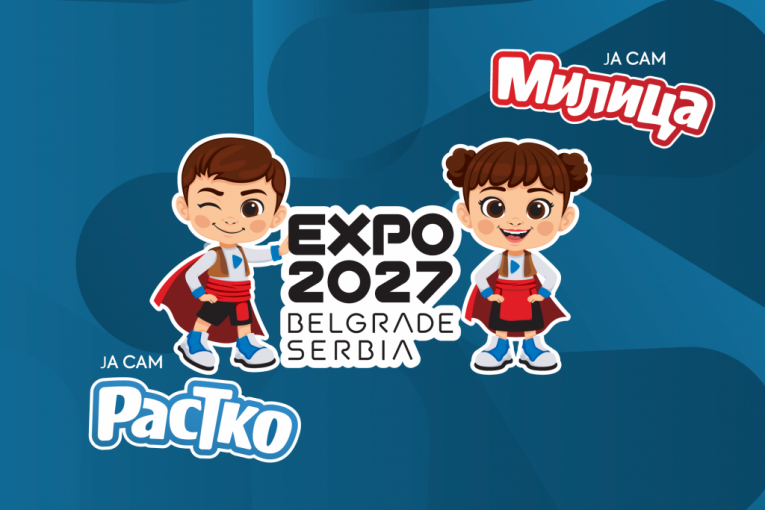
Глас народа одлучио: Маскоте Експо 2027 зваће се Растко и Милица
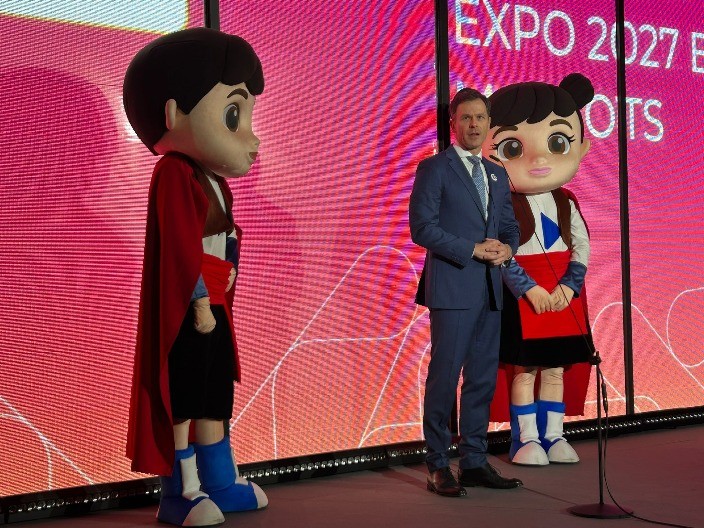
Маскоте Специјализоване изложбе Експо 2027 зваће се Растко и Милица, објавио је данас директор компаније Експо 2027 Београд Данило Јеринић.
2 months ago
The official mascots of Expo 2027 Belgrade have been named Rastko and Milica, following a public vote in which over 100,000 citizens participated, a figure both opposition and pro-government outlets accept as a clear indication of mass engagement. Coverage from all sides agrees that the mascots were unveiled by Expo 2027 organizers along with senior officials, including the finance minister and the director of Expo 2027 Belgrade, and that they are intended as central visual ambassadors of the event. Both camps report that the exhibition will be held in Belgrade, with a large new complex being built in the Surčin area, and that authorities project several million visitors over the course of the specialized Expo. There is consensus that the mascots blend traditional Serbian folk costumes with modern elements such as sneakers and a play or “start” button, visually combining heritage with contemporary digital culture.
Media across the spectrum also concur that Expo 2027 is framed as a major international showcase for Serbia, with the mascots positioned as key tools in branding the country to foreign visitors and investors. Reporting commonly notes that the Expo is linked to broader infrastructure and urban development plans, including the construction of a “new city” or major urban zone around the Surčin site, intended to host pavilions, accommodation, and supporting facilities. Both opposition and pro-government sources describe Expo 2027 as tied to Serbia’s long-term development narrative, overlapping with themes of innovation, technology, tourism growth, and cultural promotion. There is shared acknowledgment that the mascots’ design choices—colors, symbols, and clothing details—aim to communicate warmth, hospitality, and a forward-looking national identity that aligns with the official Expo theme of play, creativity, and innovation.
Significance and priorities. Pro-government outlets portray the naming of Rastko and Milica as a joyful milestone and a “voice of the people” moment that reinforces national unity and enthusiasm for Expo 2027, stressing the public vote as proof of democratic participation. Opposition-aligned sources, while not disputing the vote itself, tend to downplay the mascots as a symbolic distraction from questions about costs, transparency, and priorities surrounding the Expo project. Government-friendly coverage places the mascots at the center of a broader success story about Serbia’s rise on the international stage, whereas critical media treat them as a PR flourish that does little to address structural issues such as public debt or social spending.
Economic framing and risk. Pro-government media emphasize official projections of 3–4 million visitors and highlight the Expo as an unprecedented development chance that will generate jobs, tourism revenue, and foreign investment, often presenting these numbers as near-certain outcomes. Opposition coverage typically references the same figures but frames them as optimistic political promises, questioning whether Serbia might instead be left with large debts and underused infrastructure after the event. While pro-government narratives celebrate the building of a “new city” in Surčin as visionary and transformative, opposition outlets are more likely to stress the risk of cost overruns, rushed construction, and potential corruption tied to major contracts.
Symbolism and identity. Pro-government sources describe Rastko and Milica as ideal embodiments of the Serbian people, emphasizing how their folk costumes, combined with modern sneakers and a play button, symbolize a harmonious blend of tradition and modernity that should appeal at home and abroad. Opposition-aligned media, when they cover the mascots, tend to be more skeptical about this carefully curated image, arguing that sleek branding cannot mask governance problems or democratic deficits. Both sides acknowledge the intended symbolism, but pro-government coverage celebrates it as an authentic and aspirational national portrait, while critics regard it as an orchestrated narrative designed to bolster the ruling elite’s image.
Transparency and public voice. Pro-government reporting highlights the open public vote, framing it as evidence that citizens directly shaped an aspect of Expo 2027 and that institutions are responsive to popular will. Opposition coverage, by contrast, usually concedes the vote occurred but questions its depth and scope, suggesting that allowing people to choose mascots does not compensate for limited consultation on far more consequential decisions like land use, budgeting, and tendering. In this view, the mascots’ “voice of the people” label is seen by critics as superficial participation, while pro-government outlets present it as a genuine example of democratic engagement in the project.
In summary, opposition coverage tends to treat the mascots as a polished but ultimately secondary symbol that cannot resolve concerns about costs, transparency, and political control around Expo 2027, while pro-government coverage tends to present Rastko and Milica as joyful, people-chosen icons that encapsulate a historic development opportunity and a confident, modern Serbian identity.