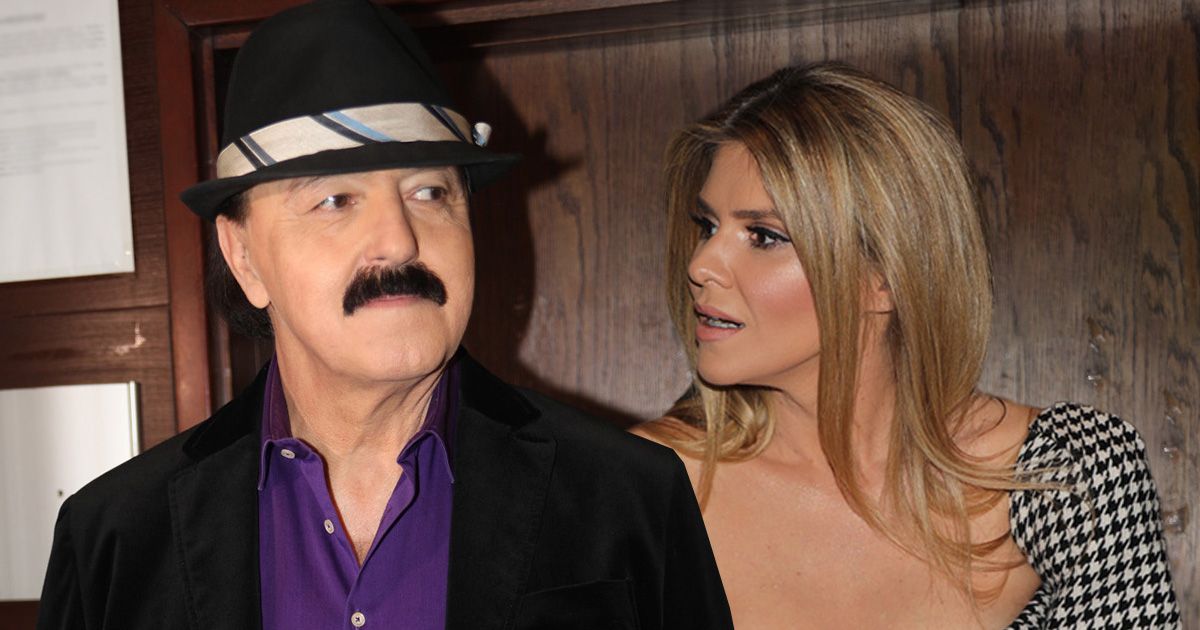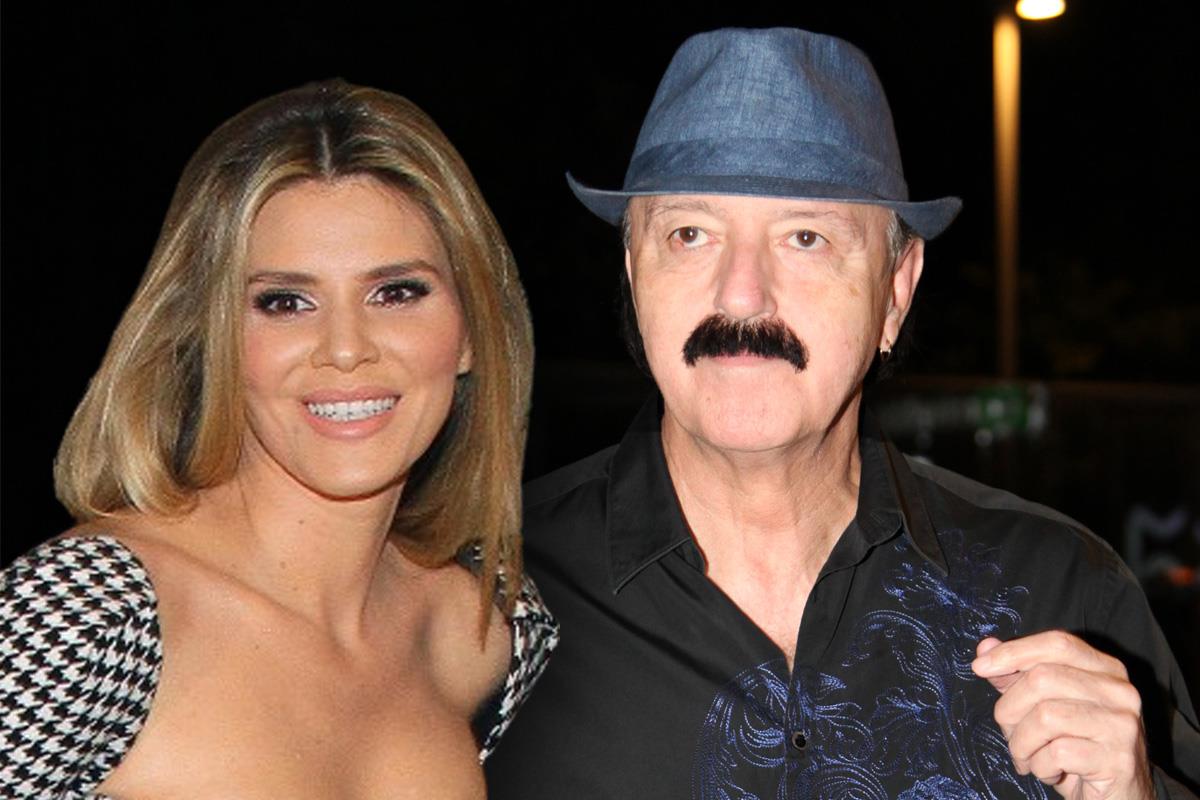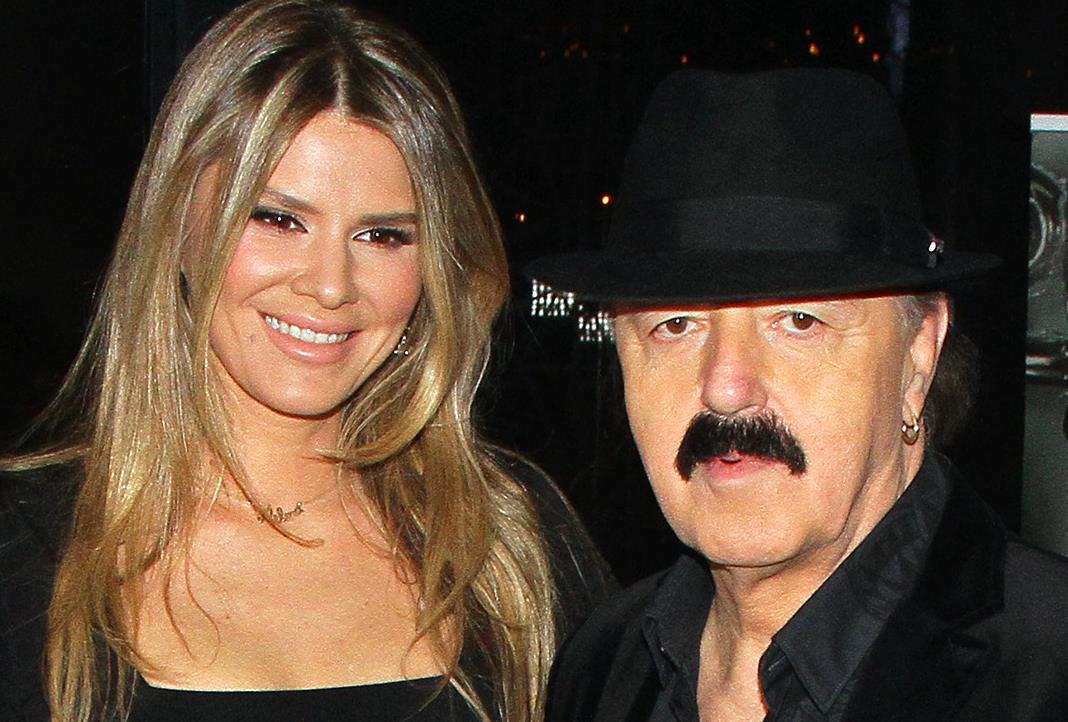


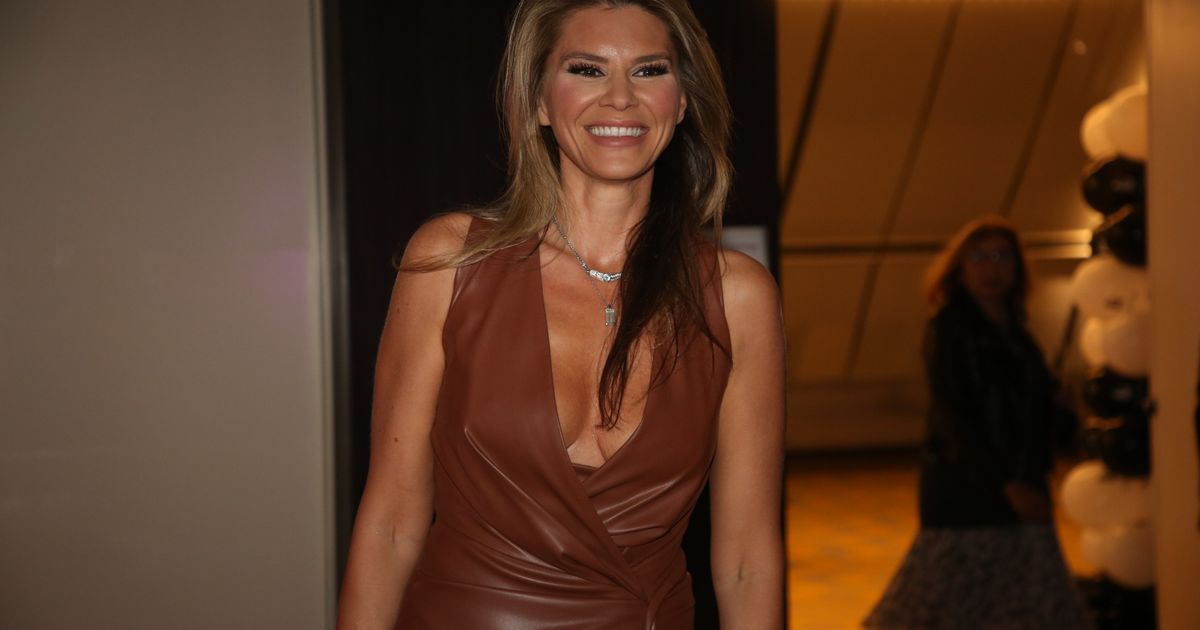
Media from both camps agree that singer Haris Džinović and fashion designer Melina Džinović divorced in October after more than two decades together, and that Melina has since appeared publicly with a new partner. They consistently report that she attended a prestigious fashion show in Paris, seated in the front row with a wealthy 70‑year‑old English businessman, described as her fiancé, with photos from the event widely circulated and used as the trigger for fresh coverage of the former couple.
Across outlets, there is consensus that journalists contacted Haris after the Paris appearance to ask about Melina’s alleged engagement and that he declined to engage, repeating that he was not informed about her private life and that it did not interest him. Previous interviews are also cited where he characterized the marriage as emotionally and materially imbalanced and said that ingratitude hurt him more than money, but even those critical remarks are presented as background rather than a direct reaction to the new engagement.
Points of Contention
Framing of Haris’s silence. Opposition‑aligned sources tend to present Haris’s refusal to comment as a dignified boundary, stressing his right to privacy and suggesting he is moving on from a painful relationship. Pro‑government outlets, by contrast, often highlight his past statements about being hurt and exploited, so that his current “not interested” line reads more as wounded pride than calm detachment. While both quote the same brief remark, opposition narratives underplay emotional subtext, whereas pro‑government pieces infer lingering bitterness and emphasize how deeply he once felt wronged.
Portrayal of Melina’s new relationship. Opposition coverage typically downplays the age and wealth of Melina’s fiancé, treating him as a secondary detail to her professional presence at a high‑profile Paris fashion event. Pro‑government media repeatedly foreground that he is a rich 70‑year‑old English businessman, turning the engagement into a spectacle of status and luxury. This leads opposition sources to frame the story as a routine post‑divorce development, while pro‑government coverage uses it to underline themes of material comfort and social climbing.
Use of past marital grievances. Opposition‑leaning outlets, where they reference Haris’s earlier claims of emotional and material exploitation, tend to contextualize them as historical grievances that explain the breakup but not his current stance. Pro‑government sources more aggressively recycle those quotes about ingratitude and one‑sided giving, implying a continuous line from past hurt to present indifference. Thus, opposition reports often separate the old marriage disputes from the new engagement, whereas pro‑government reports fuse them into a single moral narrative about who benefited and who suffered.
Sensationalism versus normalization. Opposition media generally frame the Paris outing and engagement as a normal celebrity‑life update, focusing on verifiable facts and avoiding overt moral judgment. Pro‑government outlets lean into sensational angles, stressing front‑row seats, luxury imagery, and dramatic language about Haris being unable to hide how hurt he was. As a result, opposition narratives normalize both ex‑spouses’ post‑divorce trajectories, while pro‑government narratives heighten emotional drama and social contrast between the wounded singer and his ex‑wife’s glamorous new life.
In summary, opposition coverage tends to treat Haris’s refusal to comment and Melina’s engagement as a largely private, post‑divorce development that merits restrained reporting, while pro‑government coverage tends to amplify emotional and material contrasts, casting Haris as long‑suffering and Melina as comfortably ascendant in a more sensationalized narrative.