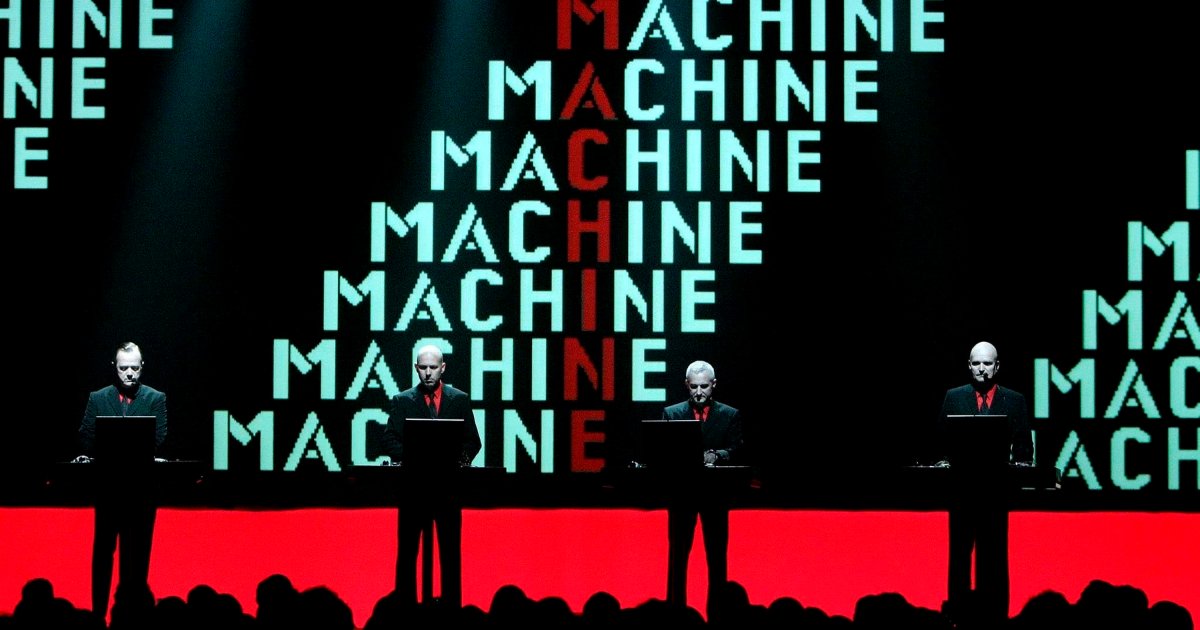

Legendary German electronic music group Kraftwerk is scheduled to perform in Belgrade on July 19 at an open‑air venue in the Luka Beograd area, in a concert presented as an audio‑visual or electro spectacle. Both opposition and pro‑government outlets agree that this is a major cultural event marking the band’s return to the Serbian capital after several years, and they highlight the same basic facts: the date, the Belgrade location, the open‑air format, and the role of local organizers such as Long Play in bringing the band back. They also concur that Kraftwerk blends music, visuals, and performance into an integrated live show.
Both sides present similar background on the band itself: Kraftwerk was founded in 1970, pioneered electronic music, and profoundly influenced a wide range of genres globally. Coverage on both ends notes their multimedia artistic approach combining electronic soundscapes with computer animation, and references to milestones such as the MoMA retrospective and induction into the Rock and Roll Hall of Fame are treated as shared proof of their canonical status. In both narratives, the concert is framed within Kraftwerk’s long trajectory as avant‑garde innovators whose work with robotics and technology reshaped popular music and live performance.
Points of Contention
Event framing and tone. Opposition‑aligned outlets describe the show as an electro spectacle and a significant cultural occasion, but in a relatively restrained, arts‑journalism register that focuses on the band’s legacy and the specifics of the venue and organizers. Pro‑government outlets, by contrast, label it the musical event of the decade and adopt more exuberant, promotional language that elevates the concert into a symbol of national cultural prestige. While both agree it is an important show, opposition coverage treats it as one notable event in a broader cultural calendar, whereas pro‑government media frame it as a near‑historic highlight for Serbia.
Role of local institutions and organizers. Opposition sources explicitly mention promoters like Long Play and emphasize the production logistics and professional cultural infrastructure behind the concert. Pro‑government outlets largely sidestep detailed discussion of private organizers and instead foreground Belgrade and Serbia as hosts, implicitly crediting the country’s attractiveness and institutional capacity for securing such acts. As a result, opposition coverage makes the event seem like a product of the independent cultural sector, while pro‑government coverage subtly suggests it reflects broader systemic and governmental success in positioning Belgrade on the global music map.
Cultural positioning of Belgrade and Serbia. In opposition reporting, Belgrade appears mainly as a recurring tour stop in Kraftwerk’s global itinerary, with references to the band’s international museum retrospectives and tours placing Serbia within a wider cultural circuit. Pro‑government outlets, however, use the same facts to argue that Belgrade is becoming a regional hub capable of hosting world‑class multimedia spectacles, implying upward cultural and touristic trajectories under current conditions. Thus, opposition media integrate the concert into a cosmopolitan narrative that is not overtly political, whereas pro‑government media embed it in a success story about the country’s development and image.
Use of legacy and symbolism. Opposition coverage treats Kraftwerk’s pioneering status, awards, and institutional recognition primarily as context for why the concert matters artistically, stressing their influence on genres and contemporary electronic culture. Pro‑government coverage leans more on that same legacy as validation that Serbia is attracting the very highest tier of global culture, turning the band’s prestige into a symbolic asset for the host country. Consequently, opposition outlets foreground the band’s artistic evolution and audience experience, while pro‑government outlets foreground what the band’s stature supposedly says about Serbia’s place in the world.
In summary, opposition coverage tends to present Kraftwerk’s Belgrade concert as a major but primarily artistic and industry‑driven cultural event embedded in a global music circuit, while pro‑government coverage tends to amplify its symbolic importance as proof of Serbia’s growing cultural prominence and success under current conditions.