
pro-government
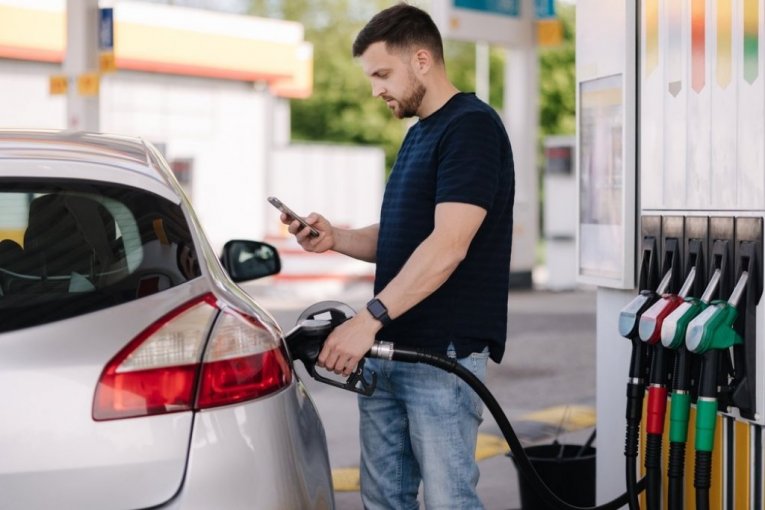
TAČNO U PONOĆ STUPA NA SNAGU NOVI CENOVNIK: Gorivo poskupljuje, vozači u šoku! Evo koliko će vas koštati pun rezervoar!
Poremećaji na svetskom tržištu nafte diktiraju nove cene.
3 months ago
Fuel prices in Montenegro are rising as of midnight, with both opposition and pro-government sources agreeing that the increase is up to four cents per liter across all key fuel types. The main products affected are Eurosuper 98, Eurosuper 95, and Eurodiesel, with widely cited new prices of around 1.41 euros for Eurosuper 98, 1.38 euros for Eurosuper 95, and 1.31 euros for Eurodiesel, fixed for a 15‑day period until February 9. Both sides concur that the change takes effect simultaneously nationwide and that the adjustment follows the regular, legally prescribed price-setting cycle. There is also agreement that the increase will be felt by ordinary drivers and that it comes at a time of existing pressure on household budgets and the transport sector.
Coverage from both camps situates the price hike within broader regional and global trends, referencing international oil market fluctuations and comparisons with prices in neighboring countries. They note that Montenegro’s regulatory framework updates prices biweekly, tying domestic fuel costs to movements in global crude prices, exchange rates, and excise and VAT structures. Both acknowledge that governments in the region, including Montenegro’s, use similar formulas, which partly explains why Serbia often appears in a middle range in regional price tables. There is shared recognition that fuel prices have implications beyond motorists, feeding through to the costs of goods, services, and overall living standards.
Responsibility and blame. Opposition-aligned outlets typically frame the increase as a consequence of government mismanagement, arguing that high excise taxes, inadequate social cushioning, and failure to reform pricing policy have left citizens exposed to every global shock. Pro-government media instead emphasize external factors, highlighting global oil market volatility and the standardized regional pricing formula to suggest the government has limited room to maneuver. Where opposition sources stress that policy choices could have mitigated the hike, pro-government reporting underlines legal and market constraints and often implies that any domestic intervention would be fiscally risky or unsustainable.
Impact on citizens and economy. Opposition coverage tends to spotlight the burden on already strained households, small businesses, and farmers, warning that even a four‑cent rise will cascade into higher food and transport costs and deepen inequality. Pro-government outlets also note the strain on family budgets and the transport sector but frame the increase as modest and temporary, often pairing it with regional comparisons to suggest Montenegrin prices are not uniquely high. Opposition narratives often invoke testimonies and critical experts to argue that this is another blow in a broader cost-of-living crisis, while pro-government stories more often stress resilience, adaptation, and the expectation that prices could stabilize or even fall in future cycles.
Government response and policy options. Opposition media usually criticize the authorities for reacting passively, claiming the government is hiding behind the automatic pricing mechanism instead of reducing excise duties, adjusting VAT, or providing targeted subsidies for vulnerable groups. Pro-government sources, by contrast, portray the existing mechanism as transparent and rules-based, and they tend to present ideas like tax cuts as populist measures that could endanger budget stability or ongoing reforms. While opposition narratives frame the hike as proof that the government lacks a social and development strategy, pro-government narratives cast it as a technical adjustment within a responsible fiscal and regulatory framework.
Framing within broader political narrative. Opposition-aligned outlets often connect the fuel price rise to a wider story of perceived governance failures, corruption, and unmet promises on living standards, using the episode to argue that current rulers are out of touch with ordinary citizens. Pro-government media tend to decouple the price change from day-to-day politics, treating it as a routine economic event and occasionally using regional rankings to imply Montenegro is performing reasonably under the circumstances. Thus, while opposition coverage embeds the issue in a charged narrative of political accountability and looming social unrest, pro-government coverage positions it as a manageable challenge in a difficult but largely exogenous economic environment.
In summary, opposition coverage tends to portray the fuel price increase as a politically driven failure that deepens a broader social and economic crisis, while pro-government coverage tends to present it as a limited, externally driven adjustment handled within a responsible and rules-based policy framework.