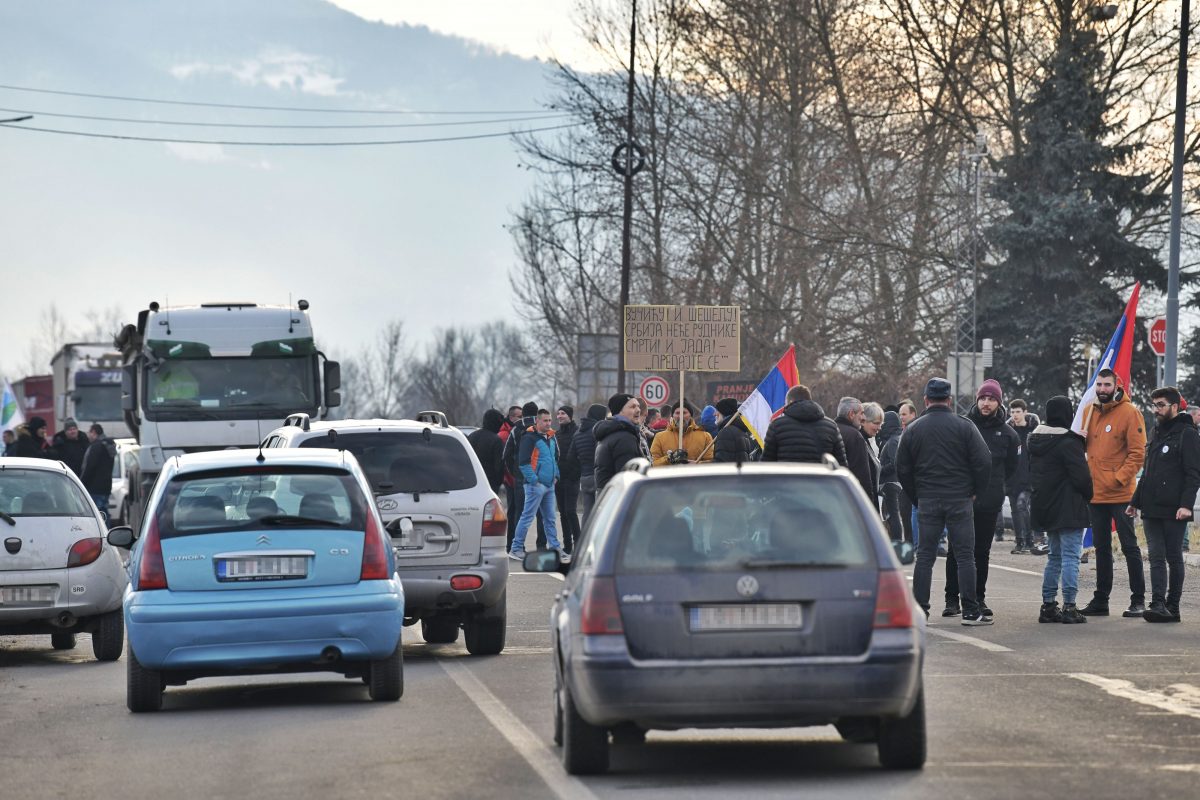
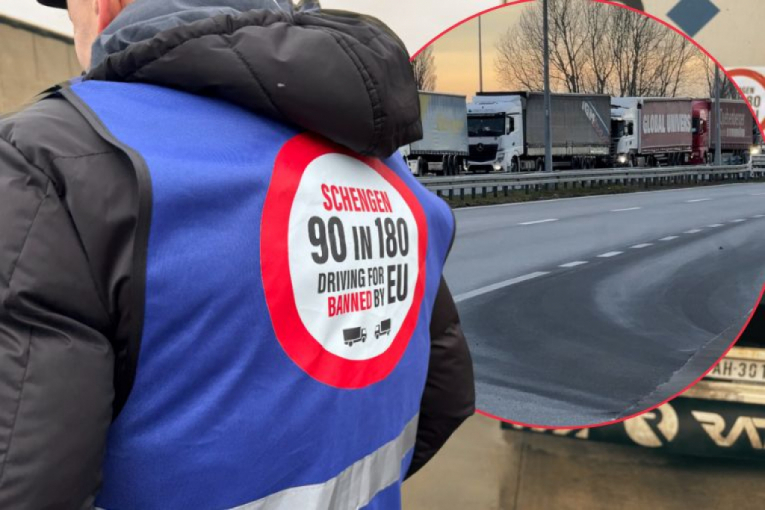
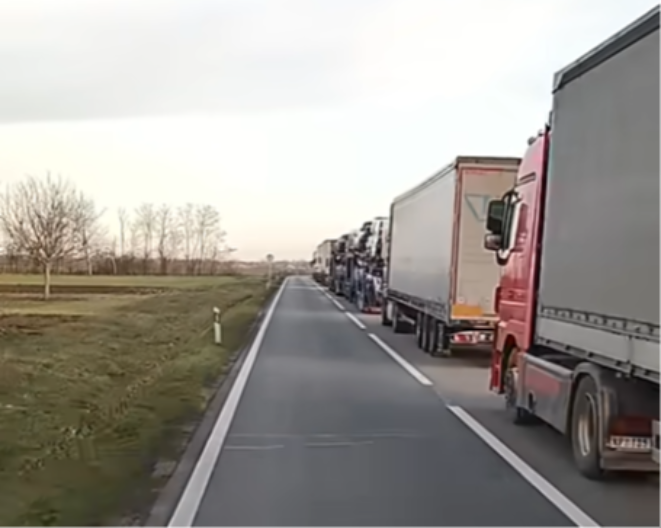
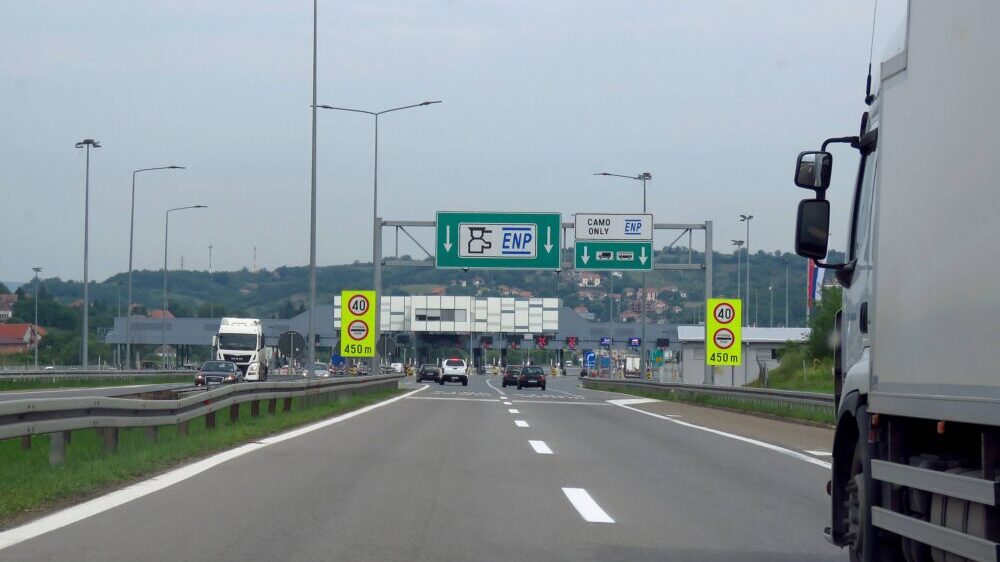
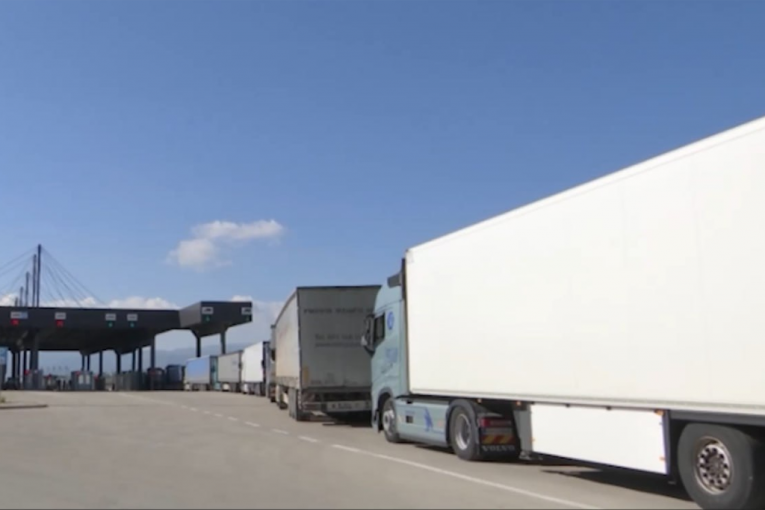
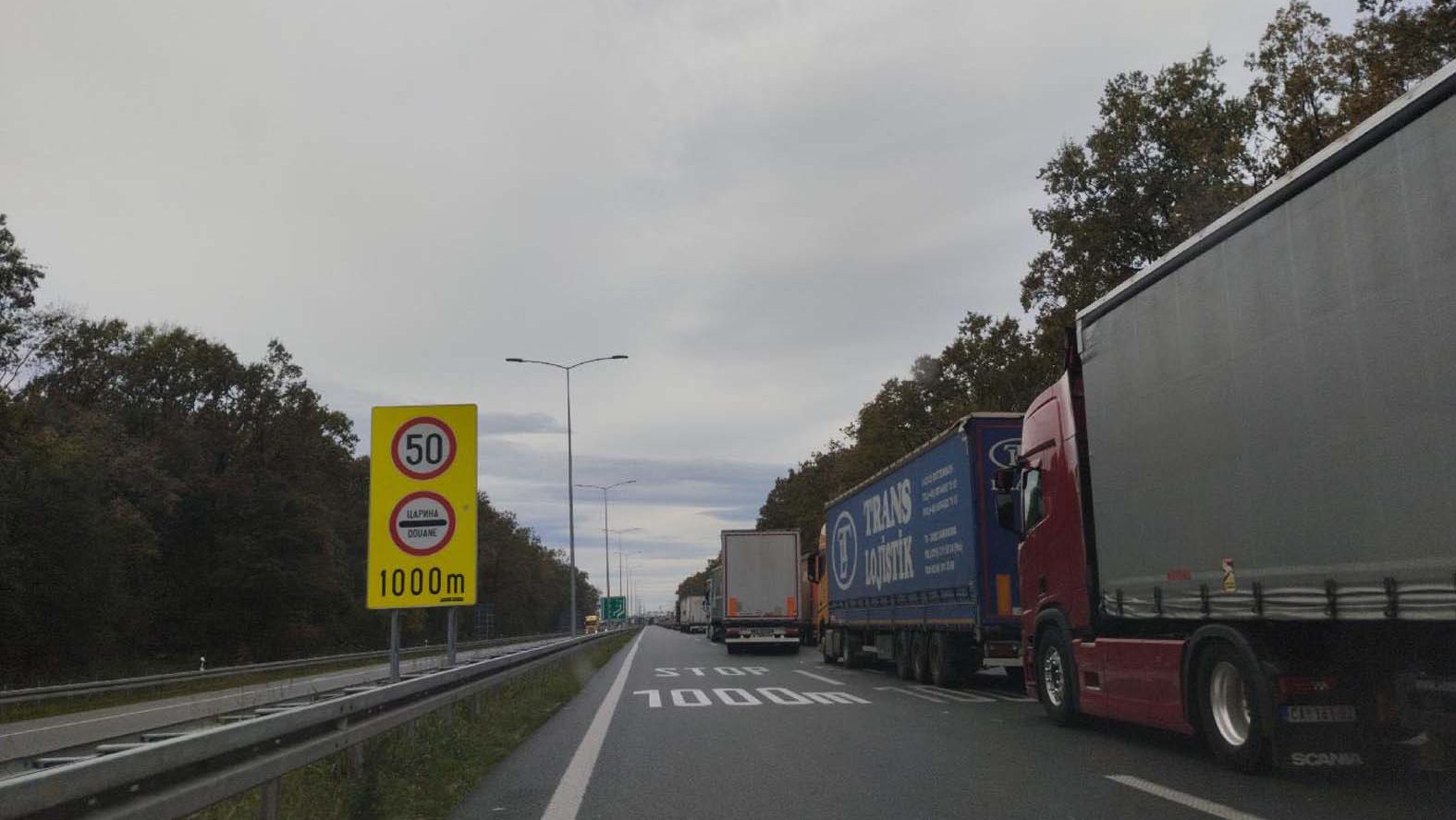
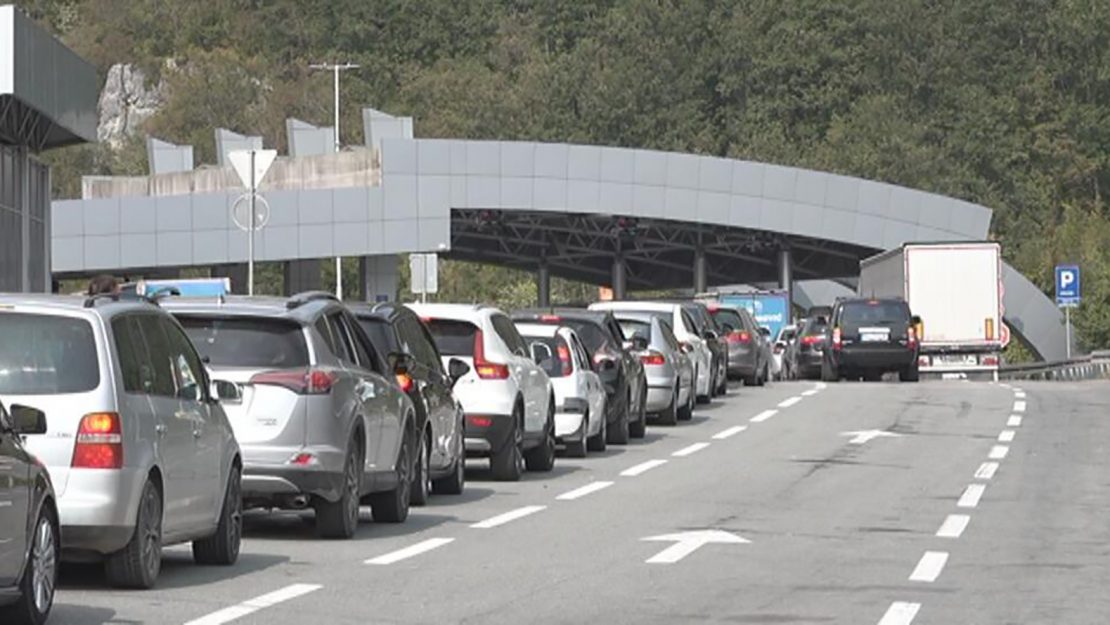
Truckers and freight carriers from Serbia, Montenegro, Bosnia and Herzegovina, and other Western Balkan countries have blocked freight terminals and cargo crossings on borders with Schengen states, generally starting at noon and announced as lasting at least 72 hours, with some reports extending the action up to seven days or until demands are met. Both opposition and pro-government outlets agree that around 20–21 freight crossings are affected, including key Serbian border points and the Port of Bar, with complete halts for trucks and semi-trailers but exceptions for passenger vehicles and sensitive cargo such as medicines, live animals, explosives, and weapons; they also concur that Turkish (and in some reports North Macedonian) carriers have joined or expressed support, and that long queues and major disruptions to freight traffic have formed.
Across both media camps, the stated trigger is the European Union’s Schengen regime, especially the 90/180-day stay rule under the new Entry/Exit System, and broader issues of the treatment of professional drivers from visa-free Balkan countries. Coverage on both sides highlights that carriers see these rules as incompatible with the realities of long-haul trucking, leading to deportations, entry bans, and threats to livelihoods, while also noting additional unresolved complaints like fuel excise refunds and delayed VAT returns raised by some associations. Both perspectives reference European Commission institutions as central to any solution, acknowledge that Brussels is aware of the problem and in contact with regional authorities, and mention that potential remedies could include special visa arrangements or exemptions for professional drivers within a broader EU visa strategy.
Points of Contention
Framing of responsibility. Opposition outlets emphasize the failure of both domestic governments and EU institutions, portraying local authorities as passive transmitters of Brussels’ rules who ignored carriers’ long-standing demands over taxes and VAT before the protest escalated. Pro-government media, by contrast, largely externalize blame toward the European Commission and “European bureaucracy,” depicting Balkan governments and chambers of commerce as advocates pushing Brussels to correct harmful rules. While opposition pieces implicitly fault ruling parties for allowing the crisis to reach border blockades, pro-government pieces frame national officials as mediators caught between frustrated drivers and an inflexible EU system.
Economic impact and risk narratives. Opposition coverage focuses on immediate operational paralysis—closed freight terminals, obstructed cargo flows, and the practical consequences for drivers—while giving less numerical detail on macroeconomic damage. Pro-government outlets foreground high-cost estimates, such as 100 million euros in daily regional export losses and potential mid-term risks of price hikes, shortages, and factory shutdowns in Serbia, underscoring the broader systemic threat. This difference allows opposition media to stress governance failures on the ground, whereas pro-government media use the scale of losses to dramatize the urgency of EU policy change and justify active state-level engagement.
Portrayal of the protest movement. Opposition sources present the blockades as a coordinated action by professional associations from multiple Balkan states, rooted in long-standing socioeconomic grievances and technical regulatory problems, and sometimes mention parallel domestic protests in other sectors to illustrate mounting discontent. Pro-government outlets frame truckers as disciplined, non-political actors whose sole aim is to defend their right to work and protect the regional economy, repeatedly stressing organizer claims that the protest is not political. This leads opposition media to situate the blockades within a wider pattern of domestic dissatisfaction, while pro-government narratives isolate them as a specific professional dispute with Brussels over a narrow set of rules.
Role of EU institutions and prospects for solution. Opposition coverage tends to highlight Brussels’ slow response and the lack of concrete offers, stressing that drivers will maintain blockades for days while both EU and local authorities delay meaningful action. Pro-government outlets underscore that the European Commission is “monitoring,” “in contact,” and already working on a new visa strategy, presenting ongoing talks as evidence that constructive solutions—such as special visas or exemptions for professional drivers—are on the horizon. As a result, opposition narratives lean toward skepticism about rapid institutional change, whereas pro-government reporting suggests that engagement with EU structures is functioning and will eventually defuse the crisis.
In summary, opposition coverage tends to use the truckers’ blockades to illustrate deeper governance failings and to link EU rules with domestic policy inertia, while pro-government coverage tends to spotlight EU-level responsibility, emphasize the professionalism and non-political character of the protest, and frame national authorities as active intermediaries pushing Brussels toward a technical fix.