
Points of Agreement
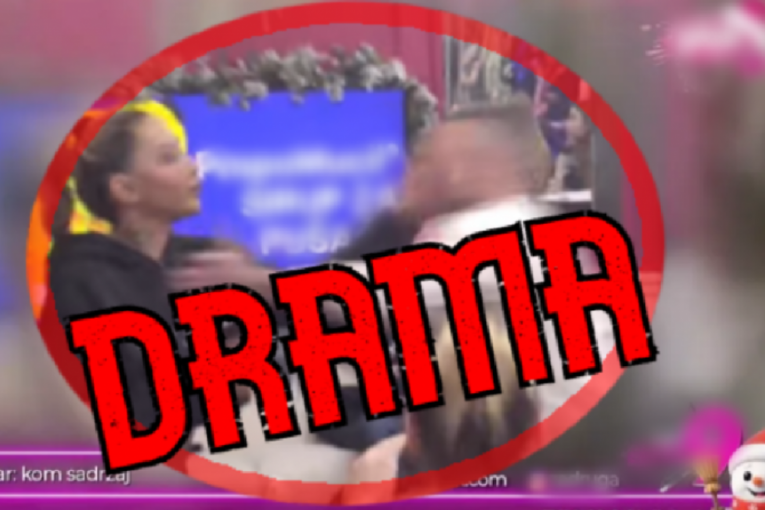
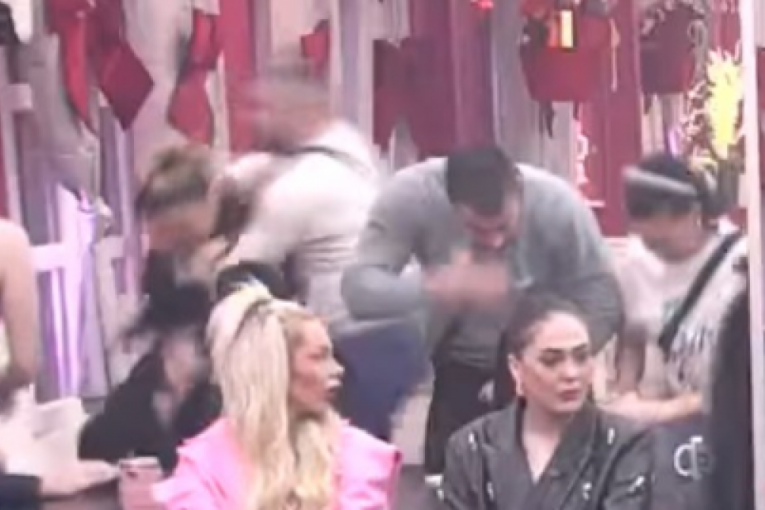
Both perspectives depict the incident between Aneli Ahmić and Asmin Durdžić as a serious on-air disruption during a popular reality and talk-show format, emphasizing the escalation from verbal conflict to physical confrontation. Pro-government sources consistently note that the clash led to a temporary interruption of the program, the involvement (or at least alerting) of police and medical services, and describe key moments such as Aneli throwing or attempting to throw hot coffee at Asmin and her claim of being hit in the neck, after which she asked her family to contact the authorities. They also agree that producers took technical and editorial steps—such as blurring the screen and removing both participants from the show “Elite 9” / studio—to contain the situation and await an official decision on possible sanctions.
Shared Core Elements
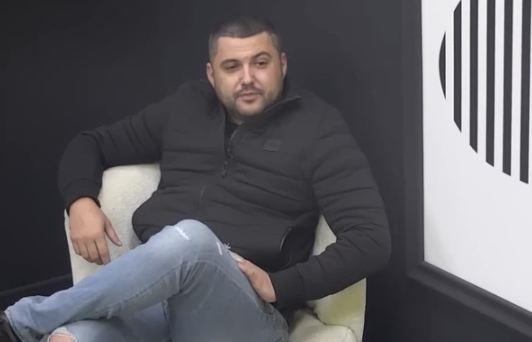
- Physical altercation between Aneli Ahmić and Asmin Durdžić during a TV appearance
- Program disruption and emergency-style reaction by production
- Police and medical angle: mention of police being called or alerted, and Aneli seeking or requesting medical attention
- Key visual trigger: hot coffee being thrown/attempted and claims of a neck blow
Points of Divergence
Pro-government outlets frame the altercation with a clear tilt toward emphasizing Aneli’s culpability and volatility, using language that portrays her as “divljala kao furija” and highlighting that her behavior “will not be forgiven,” while giving more space to Asmin’s later media appearances (such as on “Magazin In”) where he explains his past relationships and presents himself as comparatively composed and reflective. In contrast, a hypothetical opposition framing—absent in the available sources—would likely stress Asmin’s responsibility and potential abuse, foreground Aneli’s claims of being injured and her pleas for police intervention, and possibly criticize the production for sensationalizing violence and protecting ratings rather than safeguarding participants. Such a counter-narrative would be more inclined to question gender dynamics, power imbalance, and media ethics, whereas the current pro-government coverage leans toward moralizing Aneli’s actions and normalizing Asmin’s ongoing TV presence.
Framing Differences
- Pro-government: focuses on Aneli’s “unforgivable” behavior, dramatizes her outburst, and offers Asmin space to explain himself and his relationships
- (Likely) opposition: would focus more on Aneli’s safety, potential victimization, and structural/media responsibility for enabling conflict
- Responsibility narrative: pro-government implicitly individualizes blame (mainly on Aneli), while an opposition lens would more likely broaden responsibility to production, broadcasters, and reality-show culture
In sum, while both sides would acknowledge the same basic incident and timeline, the key difference lies in whom they center as victim or aggressor and whether the story is treated primarily as personal scandal (pro-government) or a symptom of broader media and power problems (opposition).
Story coverage