



Areas of Overlap and General Agreement
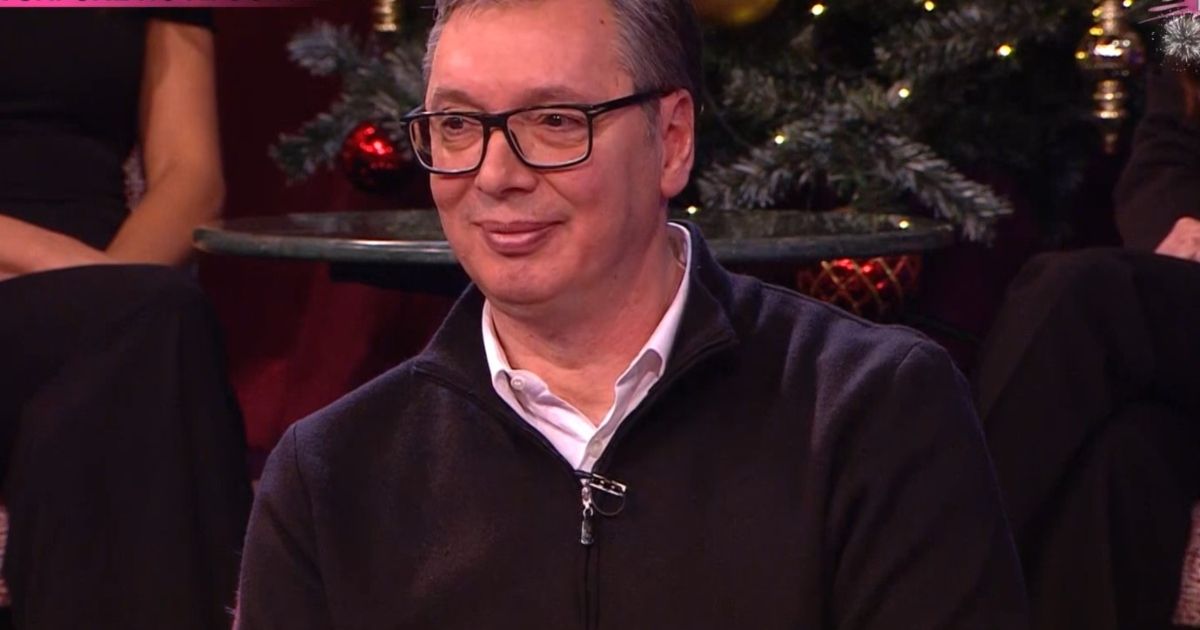
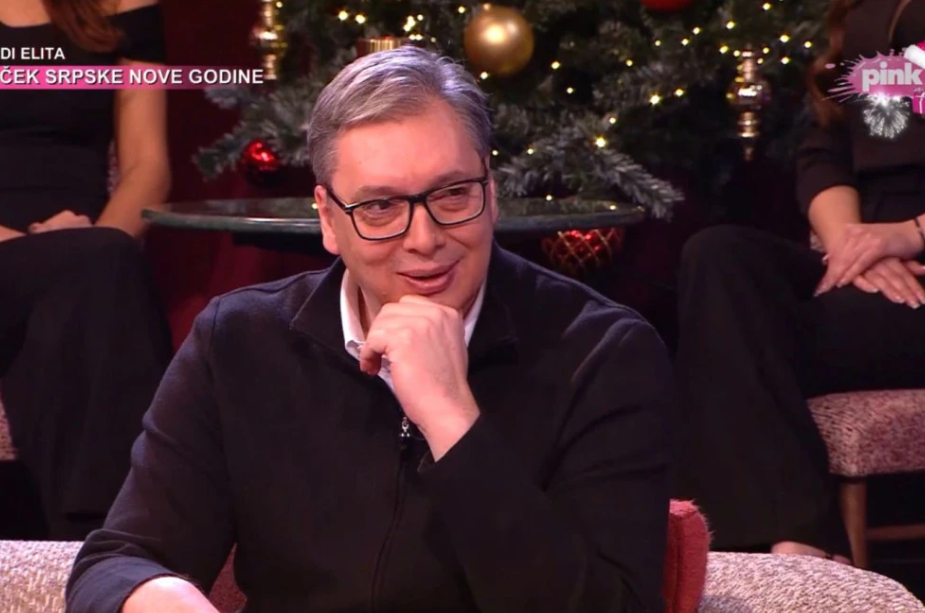
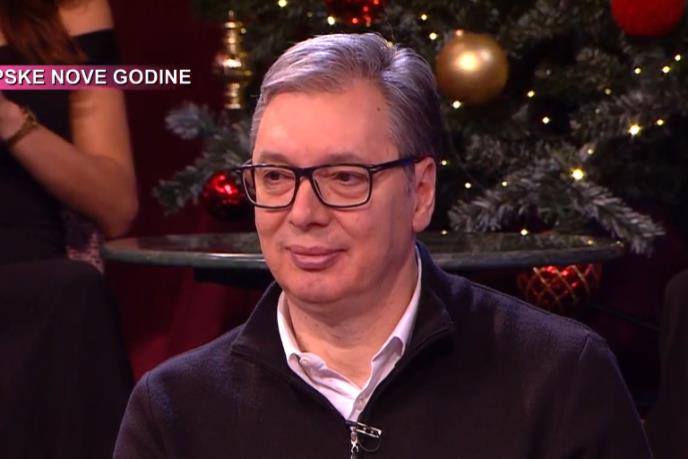
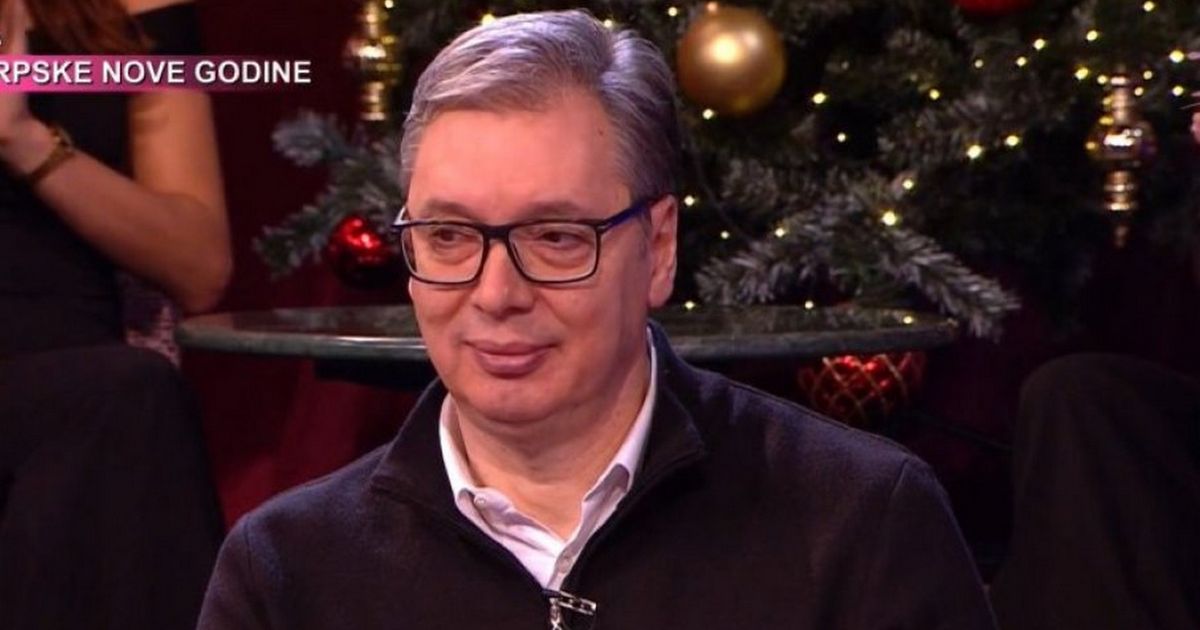
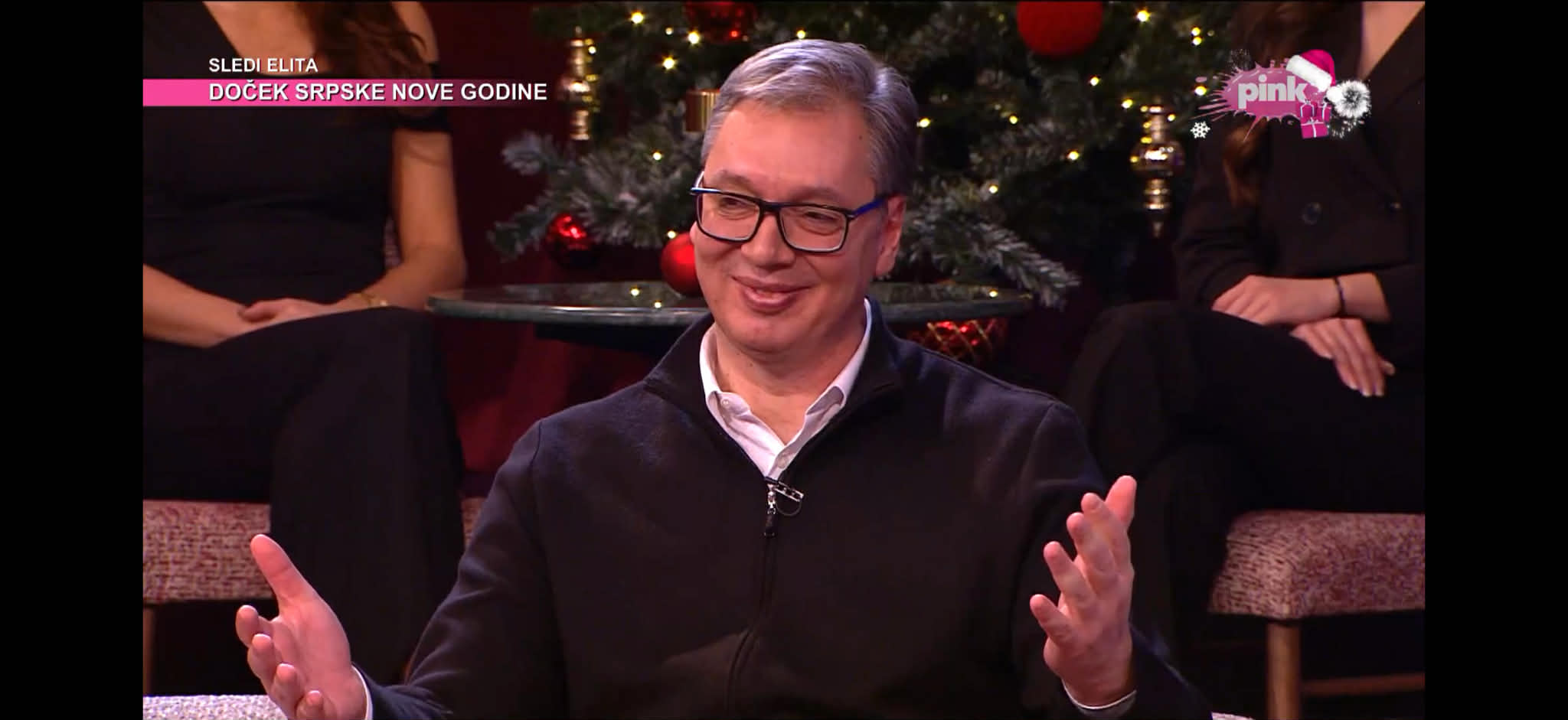
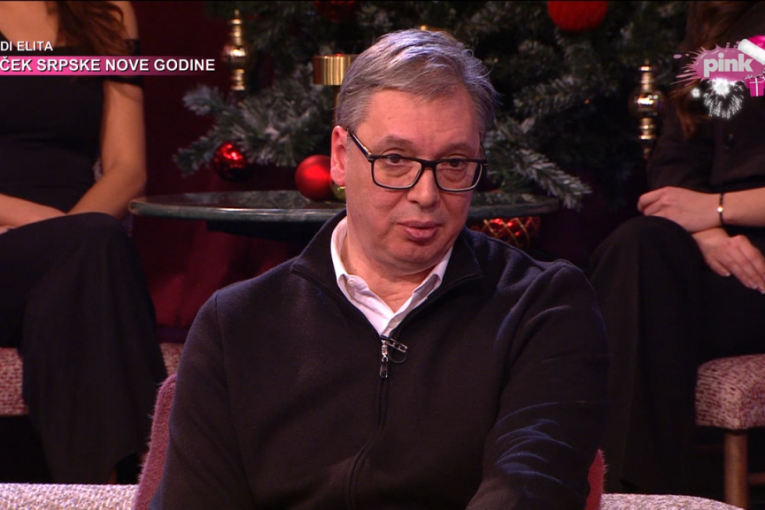
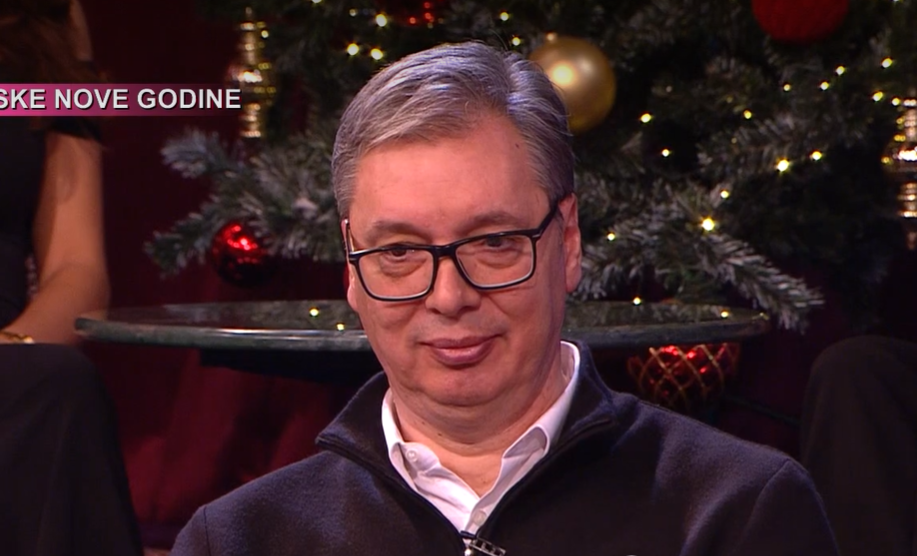
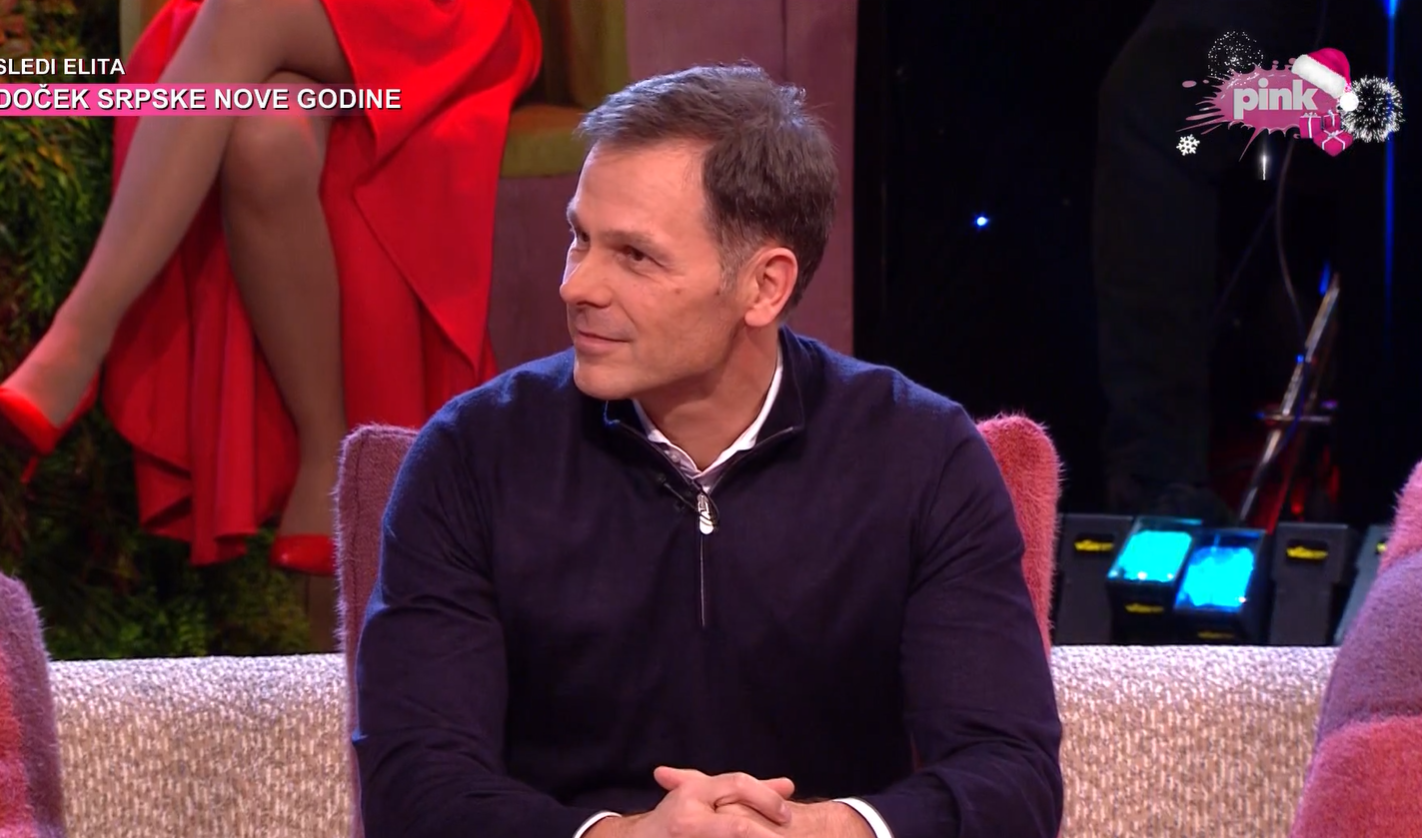
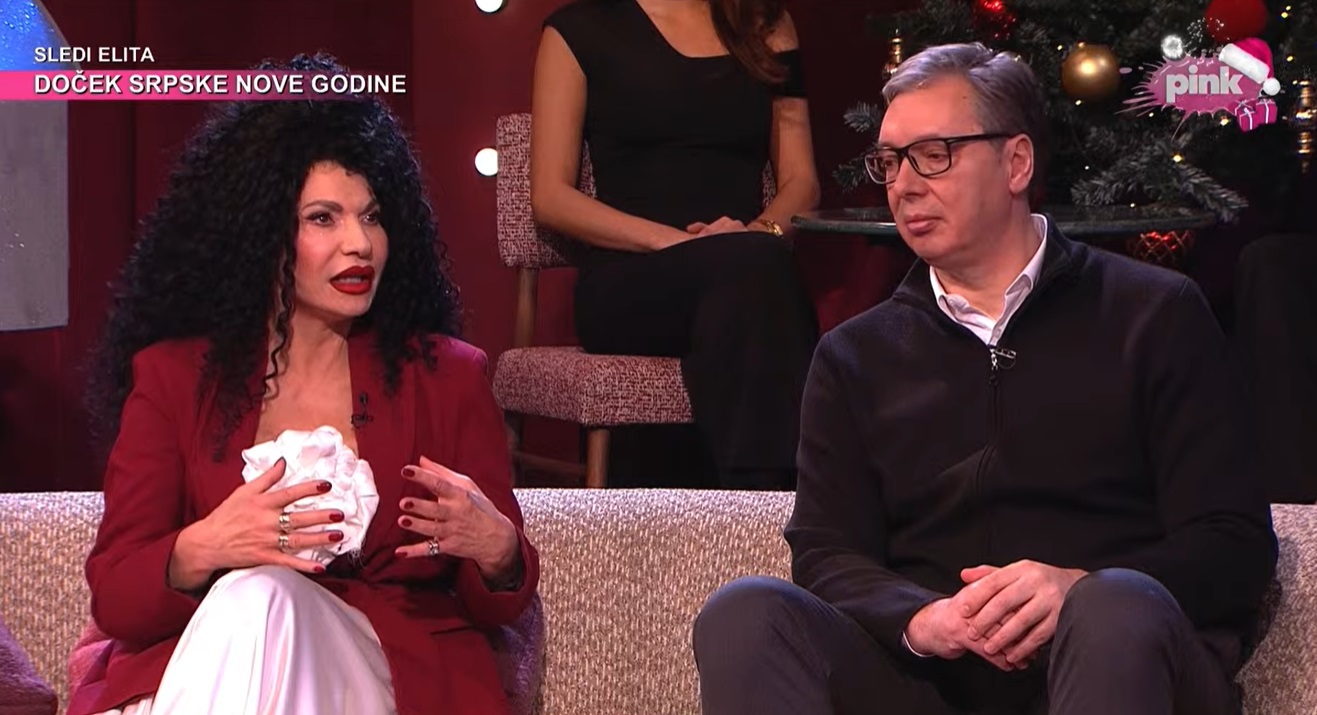
Both pro-government and anticipated opposition coverage center on Aleksandar Vučić’s appearance on the entertainment-oriented ‘Ami G Show’, acknowledging that he used the light format to touch on personal and political themes. They broadly agree on the factual contours of the show: that Vučić spoke about his unfinished sports-coaching studies and dream of coaching youth basketball, his minimal sleep and demanding daily routine, his admiration for athletes like Nikola Jokić and Novak Đoković, and his close relationship with guests such as Siniša Mali and Lidija Vukićević. On wiretapping and geopolitics, both sides would concur on the core claims he made: that BIA wiretaps fewer than 1,000 people, that millions mistakenly believe they are monitored, and that he linked issues like Greenland, Iran, and Kosovo to broader great‑power competition. Pro-government outlets document these points in detail through pieces such as:
- Coaching and studies: "Imam još pet ispita"; "PREDSEDNIK VUČIĆ O TRENERSKOJ KARIJERI"
- Wiretapping figures and BIA procedures: "Ljudi pogrešno veruju"; "VUČIĆ OTKRIO KOLIKO LJUDI BIA PRISLUŠKUJE"
- Geopolitics and Kosovo/Greenland/Iran: "AKO AMERIKA UZME GRENLAND, ŠTA RADI SRBIJA?"; references in "UŽIVO VUČIĆ GOST 'AMI G SHOW'" and "NJIH TROJICA TRČE MARATON U BERLINU..."
- Personal and human-interest angles (family, ministers, celebrities): multiple features on Vukan, Siniša Mali, Lidija Vukićević, and Vučić’s sleep, routine, and humor.
Lines of Divergence and Framing Differences
The divergence lies less in the basic facts and more in framing and emphasis. Pro-government outlets (e.g., TV Pink–aligned portals and tabloids) portray the appearance as humanizing and legitimizing, stressing Vučić’s modesty, work ethic, sense of humor, and emotional warmth toward collaborators and celebrities, while treating his numbers on wiretapping (<1,000 people) and his geopolitical interpretations as authoritative reassurance and strategic insight. They use light anecdotes (about nicknames, family, and jokes on surveillance) and flattering quotes (e.g., that he improved Serbia’s international standing) to reinforce a narrative of a hard‑working, approachable statesman. By contrast, opposition outlets, where they cover this, are more likely to: downplay or mock the entertainment format as a form of political PR on a friendly station; question the credibility and transparency of his wiretapping statistics and BIA oversight; and cast his Greenland/Kosovo talk as performative geopolitics designed for domestic image-building rather than serious policy clarification. They would also tend to frame the focus on sports, coaching, and celebrity banter as distraction from accountability on issues like surveillance, rule of law, corruption, and media capture, rather than as a welcome glimpse of a “normal” president.
In sum, both sides accept that the show featured Vučić talking about coaching, wiretapping, and geopolitics in a relaxed TV setting, but pro-government media treat it as evidence of a competent, relatable leader, while opposition narratives recast the same appearance as staged soft propaganda that obscures deeper institutional and democratic concerns.
Story coverage