Divided Visions of a United Europe
Although Macron's recently presented strategy is the most ambitious and desirable for Europe to be experienced as a great power, other camps within the EU do not share French enthusiasm for various reasons, and Germany currently remains the center of Europe.
TL;DR
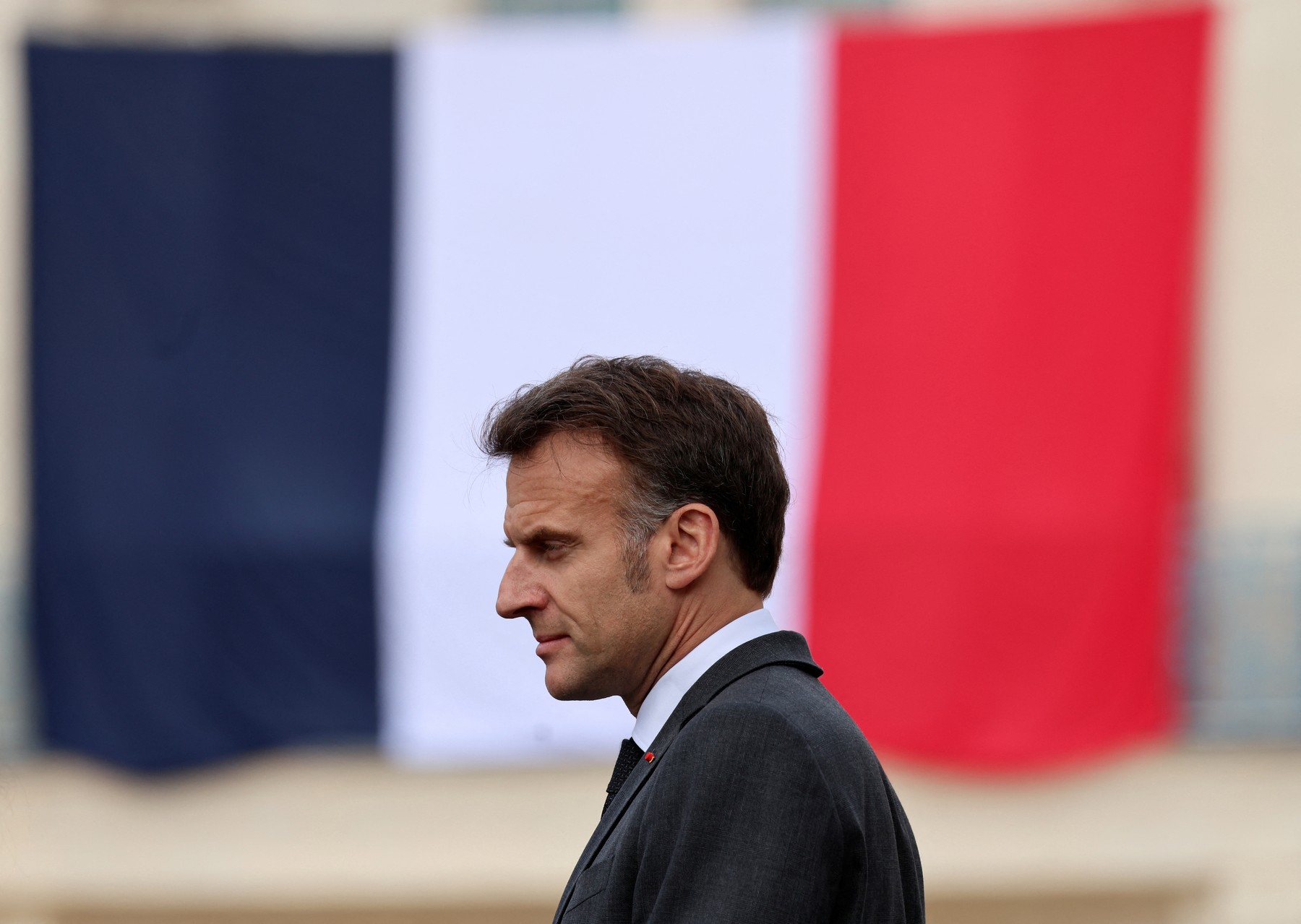
- Emmanuel Macron advocates for a sovereign Europe acting as a global power, financially independent and capable of self-defense, moving away from US hegemony.
- Macron's vision rests on three principles: strategic autonomy in defense, re-establishment as a geopolitical actor, and deeper economic integration with a focus on innovation and deregulation.
- Germany, led by Friedrich Merz, favors strengthening European defense within NATO and in coordination with the US, prioritizing fiscal discipline and export competitiveness over industrial policy.
- Poland and the Baltic states, concerned about US reliability, advocate for increased NATO capabilities and spending, diverging from Macron's autonomous defense structures.
- The European Commission, under Ursula von der Leyen, pursues gradual federalization through regulatory and fiscal integration, using existing structures and technical negotiations.
- Italy's Giorgia Meloni envisions a Europe of strong nations, where strategic autonomy complements NATO, aligning economically with Germany on deregulation rather than Macron's interventionist approach.
- Despite Macron's ambitious plan, divergent interests and priorities among EU members mean Germany's influence and pragmatic approach are currently shaping the bloc's direction.