DOOMSDAY VOLCANO AWAKENS! Activity recorded after more than 40 years, last time it killed thousands!
Thermal measurements have shown that the temperature at the bottom of the lake and around the crater is above normal values!
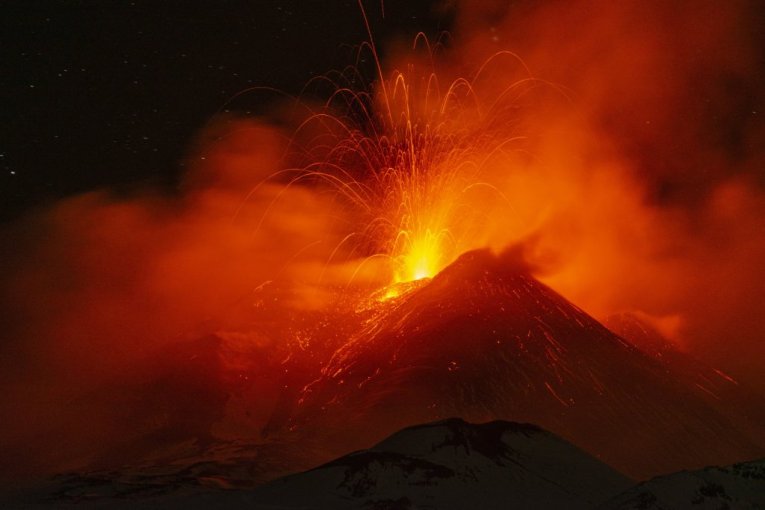
TL;DR
- El Chichón volcano shows signs of increased activity, including higher temperatures, gas bubbles, and unusual sulfur formations.
- Scientists from UNAM detected these changes during monitoring between June and December 2025.
- The volcano last erupted in 1982, causing one of Mexico's deadliest volcanic disasters, killing at least 2,000 people.
- Current observations include elevated temperatures, chemical changes in the crater lake, and increased emissions of gases like hydrogen sulfide and carbon dioxide.
- Unusual hollow sulfur spheres have been documented within the crater, indicating an active hydrothermal system.
- The crater lake's color has changed from green to grayish, suggesting higher concentrations of sulfates and silica.
- Despite these signs, experts emphasize there is no current evidence of magma movement, attributing the activity to interacting superheated groundwater and hot rocks.
- Seismic data indicates a low level of earthquake activity, supporting the conclusion that magma is currently stable.
- The 1982 eruption caused widespread destruction of villages, agricultural land, and infrastructure, with long-lasting ecological and economic consequences.
- Monitoring of El Chichón continues using drones, satellite observation, and field instruments to track its long-term behavior.
- Scientists advise that while there is no cause for alarm, careful monitoring of dormant volcanoes is crucial for public safety.