history
Ove piramide su vekovima obavijene velom tajni: Svedoče o carstvu koje je uništio najveći osvajač u istoriji
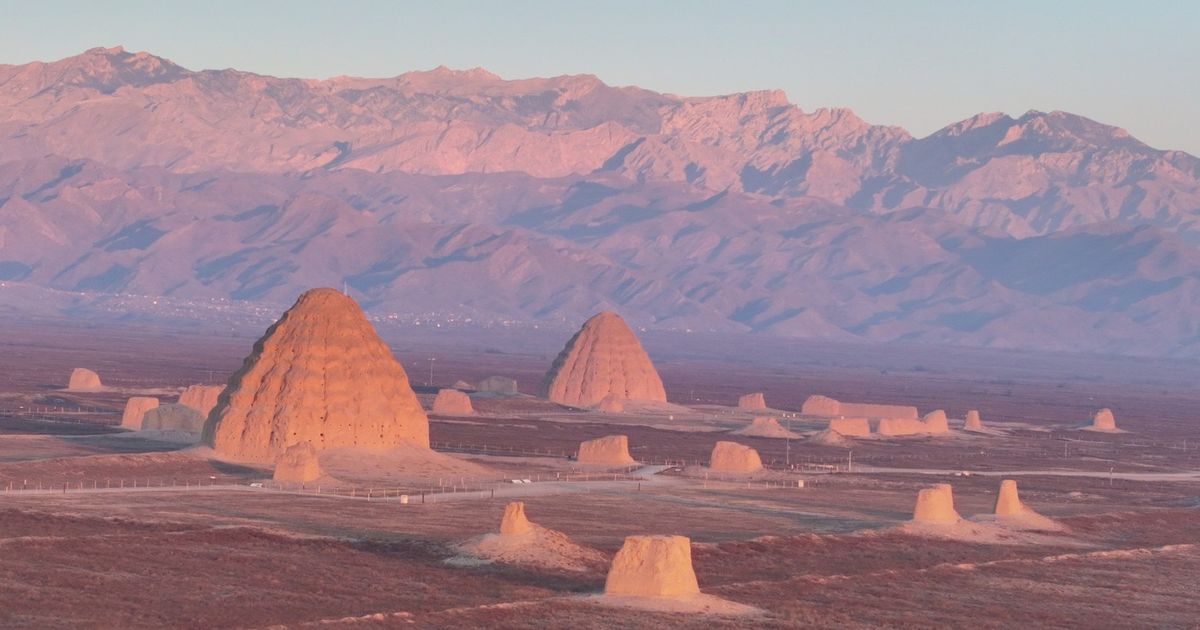
Carske grobnice, odnosno nekropola dinastije Sisia (Xixia), smeštene na istočnim obroncima planina Helan, oko 30 kilometara zapadno od Jinčuana, glavnog grada Autonomne regije Ningsja Huej u severozapadnoj Kini, uvrštene su među najvažnije lokalitete sveta. Dinastija Sisia vladala je od 1038. do 1227. godine, kada je to područje osvojila vojska Džingis-kana.
TL;DR
- The imperial tombs of the Western Xia (Sisia) Dynasty are located in the Helan Mountains, west of Jinchuan, China.
- The dynasty ruled from 1038 to 1227, when it was conquered by Genghis Khan's army.
- The site includes nine imperial mausoleums, 271 smaller tombs, and architectural complexes, often referred to as 'Oriental Pyramids'.
- The Western Xia Dynasty, also known as the Tangut Empire, was founded by the Tangut people and incorporated diverse ethnic groups, creating a unique multicultural civilization.
- The dynasty was strategically important, developed its own script, advanced irrigation systems, and promoted trade, art, and cultural exchange.
- The tombs are a testament to cultural and religious exchange along the Silk Road, reflecting influences from the Tang and Song dynasties alongside indigenous Tangut customs.
- The complex is the only known imperial burial site of the Tanguts and is preserved in its original desert environment, maintaining a connection with the Helan Mountains.
- The site has been under national protection since 1988, with a conservation plan adopted in January 2024 for long-term management and preservation.