Superbug Discovered 420 Kilometers from Belgrade: It's 5,000 Years Old and Resistant to Antibiotics!
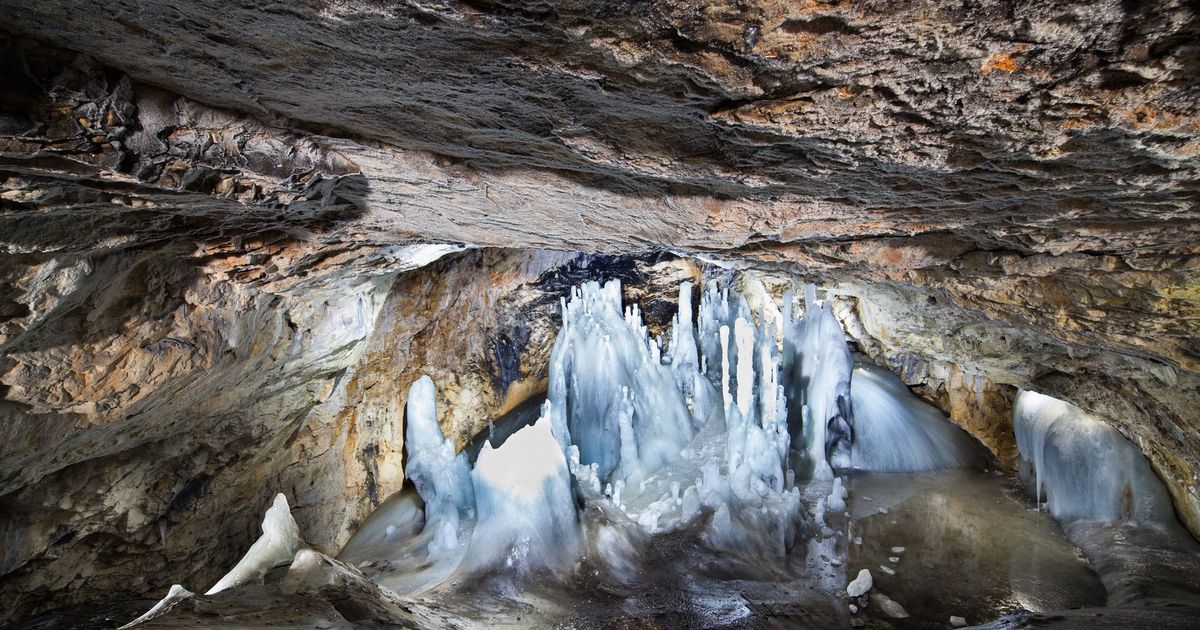
In the ice of a famous cave in Romania, a 5,000-year-old superbug resistant to ten modern antibiotics has been discovered. This Stone Age bacterium was found in Scarisoara Cave, and Cristina Purcarea reports on this discovery in the journal 'Frontiers in Microbiology', according to Bild.
TL;DR
- A 5,000-year-old superbug, Psychrobacter sp. SC65A.3, was discovered in ice from Scarisoara Cave in Romania.
- The ancient bacterium is resistant to ten contemporary antibiotics, including broad-spectrum ones.
- Its genome contains over one hundred segments associated with antibiotic resistance, suggesting prehistoric origins of resistance.
- The superbug also demonstrated inhibitory effects against various pathogenic bacteria in laboratory tests, including Staphylococcus aureus and species from Enterobacter and Klebsiella pneumoniae groups.
- Scientists believe cave and ice environments are underestimated reservoirs of resistance genes and natural antibiotics that could be used to develop new drugs.
- Scarisoara Cave is a significant glacial cave in Romania, first documented in 1863 and explored by Emil Racovita.