EPIDEMIJA KRATKOVIDOSTI: Deca sve više imaju problema sa vidom
Istraživanja pokazuju da će 70 odsto dece u Evropi do 2050. godine razviti miopiju, odnosno biti kratkovido
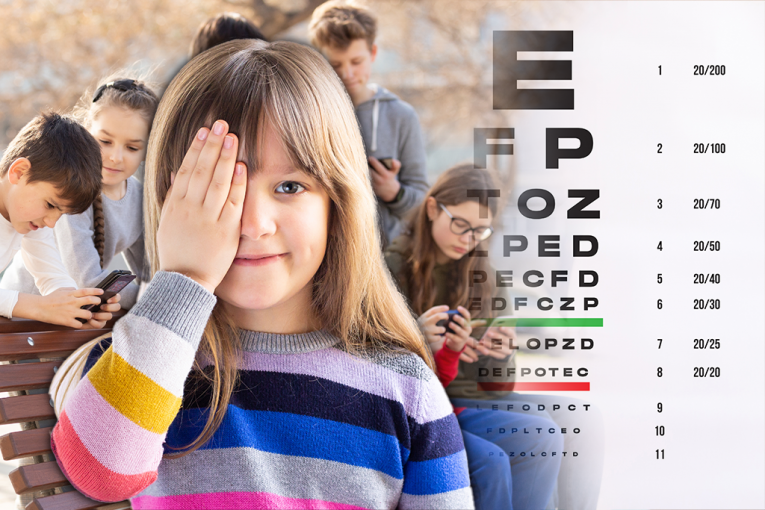
TL;DR
- Myopia (nearsightedness) is increasing significantly among children in Europe and Serbia.
- Excessive use of mobile phones, tablets, and other digital devices is identified as a primary cause.
- Projections estimate 70% of European children will develop myopia by 2050.
- Blue light emitted from screens can cause eye strain and potentially lead to vision deterioration.
- Genetics can play a role, but technology use exacerbates the risk, especially with a genetic predisposition.
- Symptoms of digital eye strain include dryness, tearing, burning, and headaches.
- New methods to combat myopia are being explored, but the effectiveness of blue-light-filtering glasses is not yet scientifically proven.
- A significant percentage of very young children (12-24 months) are exposed to screens daily, with usage increasing dramatically with age.
- Doctors recommend regular breaks during screen time (e.g., the 20-20-20 rule for adults) and limiting daily screen exposure for children.
- Vision develops until age seven, making early detection and intervention critical for treating vision problems.
- Recommendations from WHO and the American Academy of Pediatrics suggest strict limits on screen time for children of all ages.
- Spending time outdoors and looking at distant objects is crucial for eye health and myopia prevention.
- Serbia is considering a ban on mobile phones in schools to combat this issue.
- Regular systematic eye examinations, particularly around age four or five, are strongly advised for early detection and treatment.