history
Najbrojnije bratstvo i najveće posede je u svoje vreme imao ovaj manastir: Danas je deo Srpske Svete gore
Zbog prisustva čak 16 srednjevekovnih svetinja, područje Fruške Gore neretko se poredi sa monaškom zajednicom na grčkom poluostvru Atos i poznato je kao Srpska ili Mala Sveta gora .
TL;DR
- Fruška Gora is known as "Serbian or Little Holy Mount" due to 16 medieval holy sites.
- Krušedol Monastery's origins are traced back to the 16th century, with Serbian despot Đorđe Branković and his mother Angelina credited for its establishment.
- In the 16th century, Krušedol possessed the largest estates among Fruška Gora monasteries.
- During the 17th century, the monastery had the most numerous brotherhood, with 90 monks and 12 elders.
- Monk Maksim (despot Đorđe Branković) is believed to have intended Krušedol as a mausoleum for his family, transferring his father's and uncle's remains there.
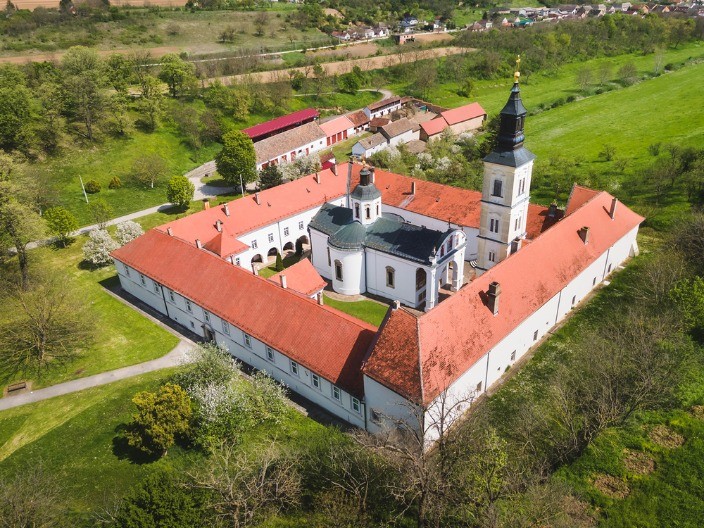
- The monastery church is dedicated to the Annunciation and features Greek architectural style.
- Original frescoes, likely dating from the 16th century, are thought to have been created by monks from Mount Athos.
- Icons in the iconostasis date from the 18th century and exhibit diverse styles.
- The Baroque bell tower was constructed in the first half of the 18th century.
- Krušedol was a significant center for scribal activities and a spiritual hub for the local Serbian population.
- The monastery is the burial place for members of the Obrenović dynasty and the Branković family, including Stefan and Jovan Branković.
- In 1716, Turkish soldiers plundered and burned the monastery after the Battle of Petrovaradin, though remnants of the Branković relics are still preserved.
- Other notable burials include Metropolitan Isaija Đaković and Serbian Patriarchs Arsenije III Čarnojević and Arsenije IV Šakabenta.
- Currently, Krušedol operates as a women's monastery.