tech
In the center of Belgrade, the most mysterious cave is hidden underground: Former shelter and ice factory
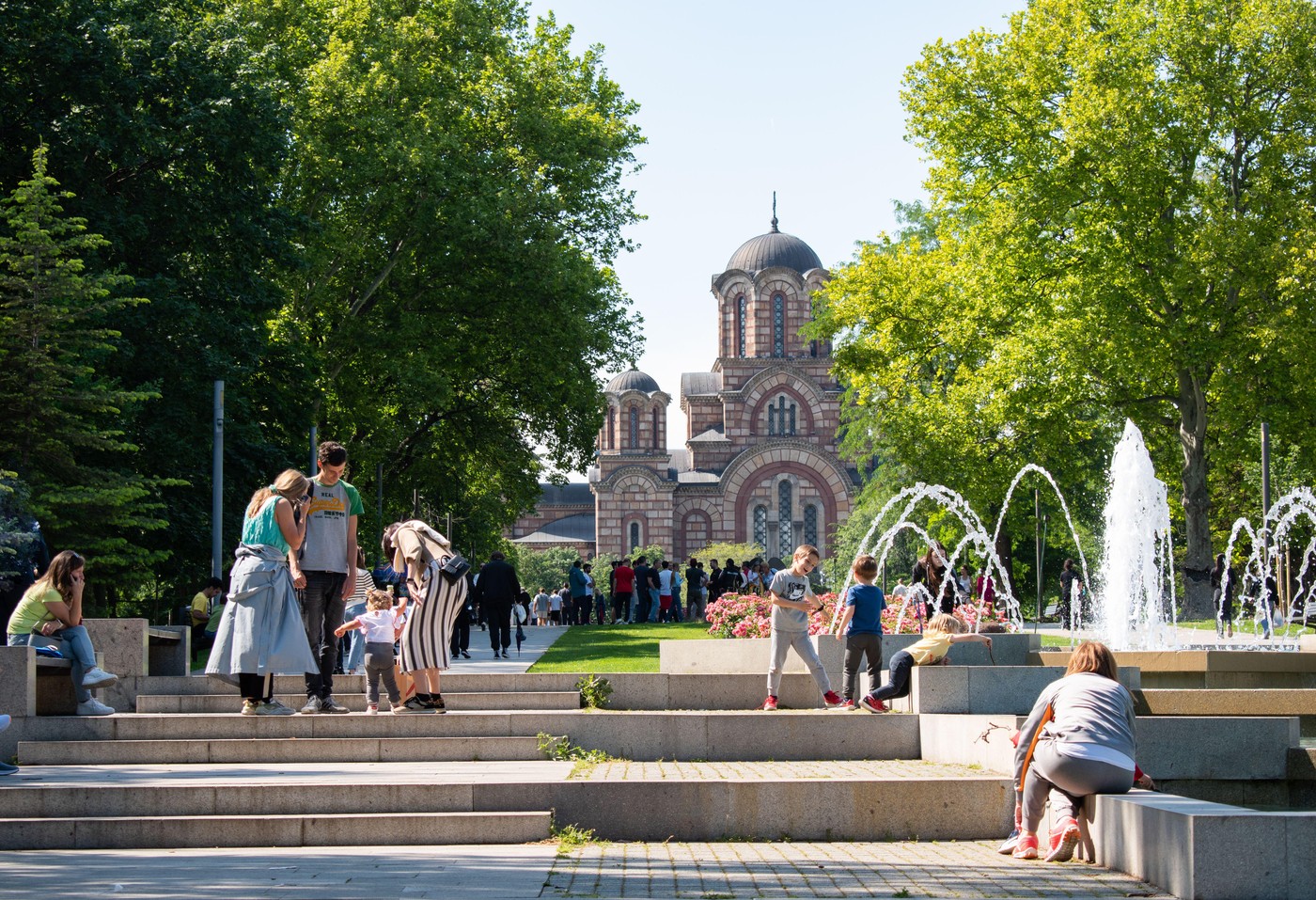
Below Tašmajdan, right next to the Church of Saint Mark, at a depth of about 28 meters, a cave space with a rich and layered past is hidden. In its corridors, there are remains of a Nazi shelter, an old quarry, as well as a saltpeter cave from which stone was extracted as early as Roman times. This material was used for the construction of ancient houses, palaces, sarcophagi, tombs, and temples.
TL;DR
- The cave, located 28 meters below Tašmajdan park, has a history stretching back 13 million years.
- During Roman times, stone was quarried for construction. It was known as a saltpeter cave during the Ottoman era, used for gunpowder production.
- It served as a shelter during the 19th century and was a camp for Karađorđe during the 1806 siege of Belgrade.
- A Nazi shelter, designed by Czech architect Jakov Bezlaj, was built in the 1940s, equipped with power, heating, and communication systems, capable of housing a thousand people for six months.
- After WWII, the cave functioned as an ice factory, and some sections are now inaccessible, with some corridors sealed due to fears of mines.
- Restoring the cave for tourism requires significant investment in lighting, clearing, ventilation, and security.