Zašto uvek ima mesta za tortu: Nauka objašnjava "poseban želudac" za desert
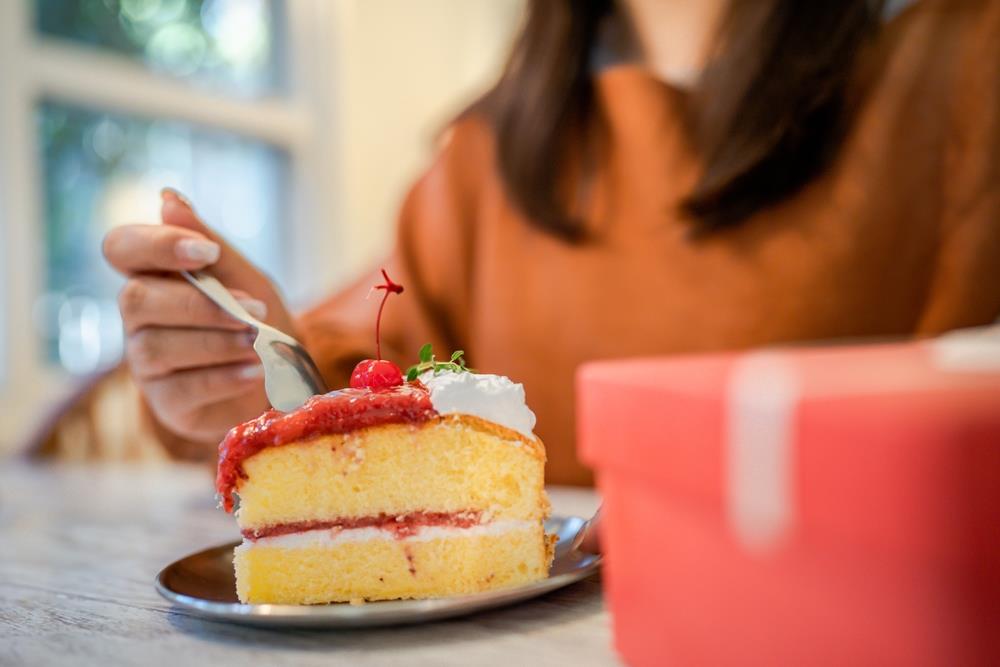
Ustajete od stola posle svečanog ručka, siti od odlične gozbe. Zaista niste mogli da pojedete još jedan zalogaj – osim, možda, jedno parče torte. Nekako, bez obzira koliko smo pojeli, uvek izgleda da ima mesta za desert. Šta je to u slatkišima što nas mami da kažemo "samo još ovo"?
TL;DR
- The Japanese term 'becubara' describes the phenomenon of having a 'special stomach' for dessert, even when full.
- Physiologically, the stomach can stretch to accommodate more food, especially soft, low-digestion desserts.
- Hedonic hunger, driven by pleasure and reward pathways in the brain (specifically the dopamine system), overrides physical fullness.
- Sensory-specific satiety means the brain's response to flavors and textures diminishes, making a new taste like dessert refreshing and motivating.
- Desserts often empty from the stomach faster and require less initial digestion than heavier meals.
- Hormones signaling fullness take time (20-40 minutes) to fully engage, allowing the reward system to influence decisions about dessert.
- Social and cultural conditioning associate desserts with celebrations and comfort, enhancing anticipatory pleasure.