"Radim kao čistačica mesta zločina. Pozove me policija, plaćaju odlično, ali postoji jedno pravilo koje ne sme da se prekrši"
Čistačica koja u saradnji s policijom čisti mesta zločina otkrila je glavno pravilo koje se nikada ne sme prekršiti kada se pozove na intervenciju.
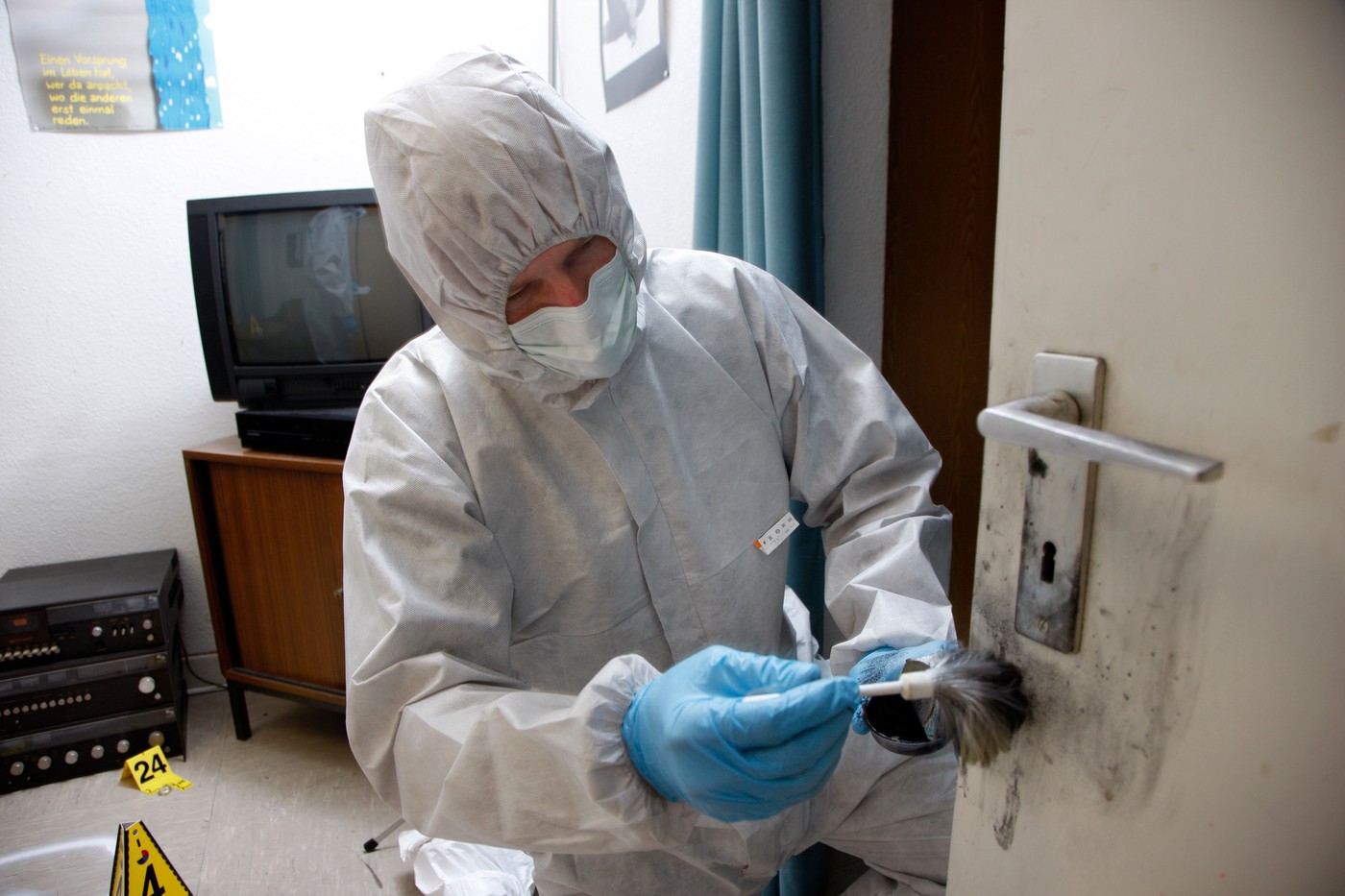
TL;DR
- The job involves cleaning up scenes after tragic events, ranging from removing body remains to dealing with extensively decomposed bodies.
- Many in this profession develop PTSD due to the nature of the work.
- The most important rule is to never photograph or record any part of the crime scene, which would result in immediate termination and potential legal action.
- This rule is based on respect for the deceased and their grieving families.
- Occasionally, crime scene cleaners can assist police investigations by finding overlooked evidence.
- The cleaner is paid per job, averaging around 400 euros, through an agency that works with local police.
- There is a multi-month training program that covers biohazards and proper cleaning techniques.
- Cleaning scenes involving children is described as the most difficult aspect of the job.