EES System Fully Implemented Today: Tourists Advised to Be Patient, Economy Hopes for Sustainable Solution for Carriers
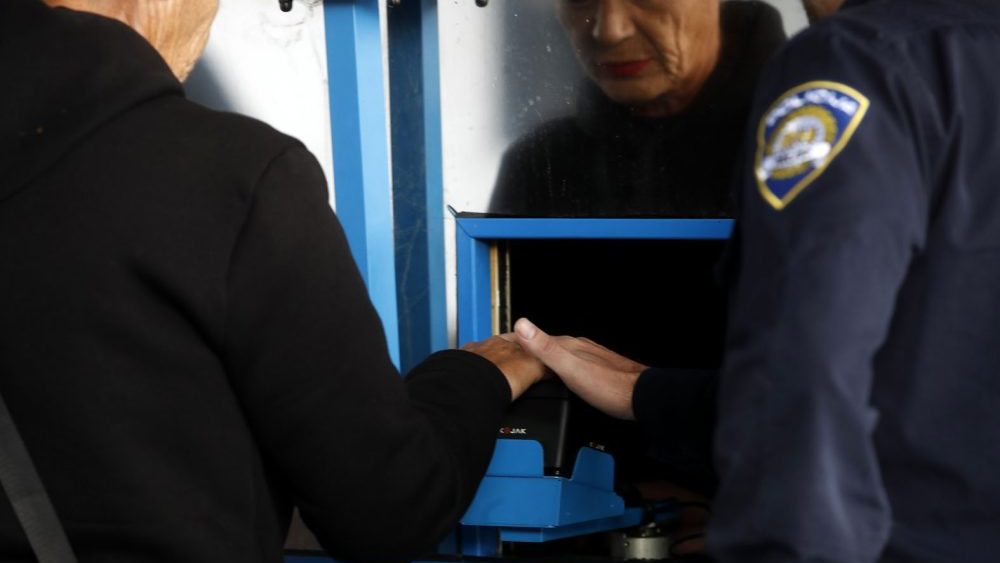
The EES (Entry/Exit System), which began a phased implementation on October 12, 2025, is now in full effect. This change will most significantly impact the economy, particularly carriers due to the 90/180 rule, and tourists who will need patience when traveling to EU countries.
TL;DR
- The EU's Entry/Exit System (EES) is now in full operation, replacing manual passport stamping with electronic records and biometric data.
- The system automatically tracks entries, exits, and duration of stay, enforcing the 90/180-day rule more strictly.
- Tourists from non-EU countries, including Serbia, may face longer border wait times.
- The change significantly impacts carriers, who fear disruption and increased costs due to the 90/180-day rule.
- Serbian carriers previously protested the system, but a solution has yet to be found.
- The Serbian Chamber of Commerce suggests special status or temporary visas for carriers to address the issue.
- Biometric passports may expedite the process for travelers.
- The EES could affect tourism, potentially discouraging some travelers.
- The economic impact is expected to be substantial, particularly for sectors reliant on cross-border movement.
- Negotiations with the European Commission regarding solutions for carriers are progressing slowly.