economy
Despite earning up to 3,000 euros in season, Montenegro struggles with worker shortages
Montenegro faces a labor shortage in tourism, despite low unemployment, as workers opt for better-paying seasonal jobs in the region.
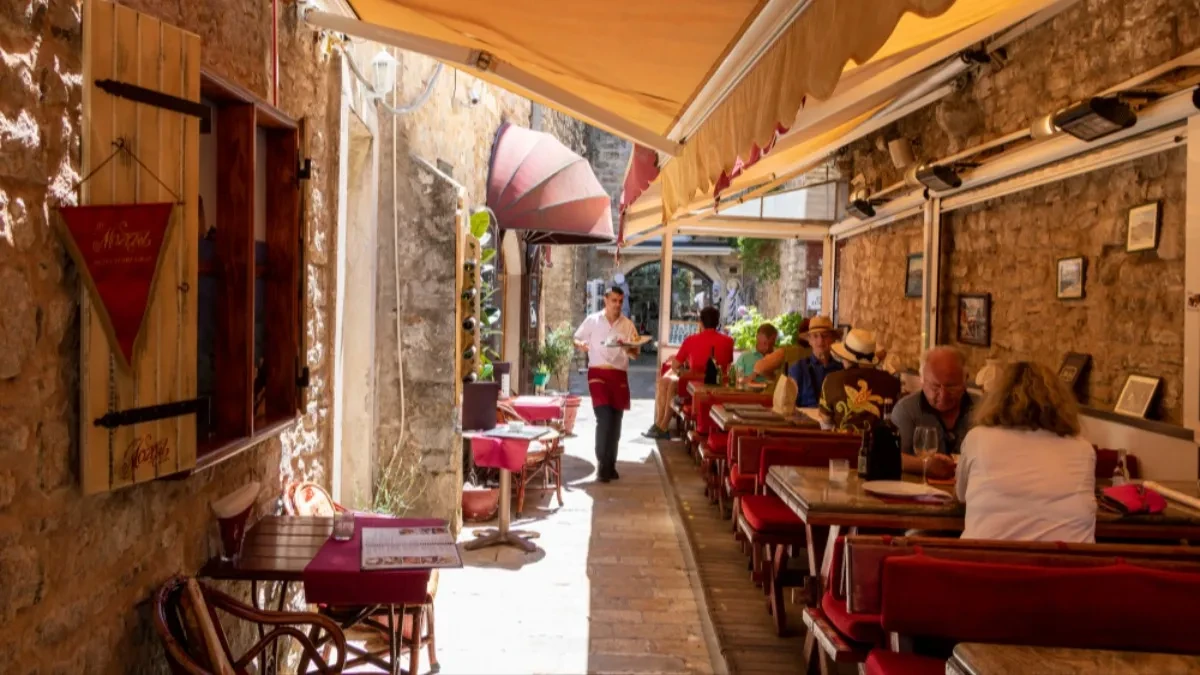
TL;DR
- Montenegro faces a severe worker shortage as it enters the tourist season, leading to increased reliance on importing labor from distant countries.
- Key reasons for the shortage include unfavorable working conditions and strong competition from other tourist destinations, particularly Croatia.
- Despite a low unemployment rate, there's a disconnect between available jobs and the number of interested workers, especially for skilled positions in hospitality.
- Wages in hospitality are generally low across the region, but seasonal jobs in Montenegro and Croatia offer significantly higher pay (e.g., waiters earning €1,200-€1,600, chefs €1,800-€2,500) compared to average monthly salaries.
- Workers from countries like Serbia are increasingly opting for jobs in Western Europe, where salaries can be two to three times higher, indirectly affecting Montenegro's labor pool.
- Poor working conditions, including intense schedules, long shifts, little free time, and inconsistencies between promised and actual conditions, contribute to high worker turnover.
- The labor shortage hinders the expansion of tourism capacities and negatively affects the quality of services offered to tourists, with negative experiences quickly shared.
- While demand is high for roles like waiters, maids, and receptionists, there's a particular lack of qualified personnel for better-paying positions such as chefs and pizza makers.