Croatia has a 9th-century church claimed by Serbs
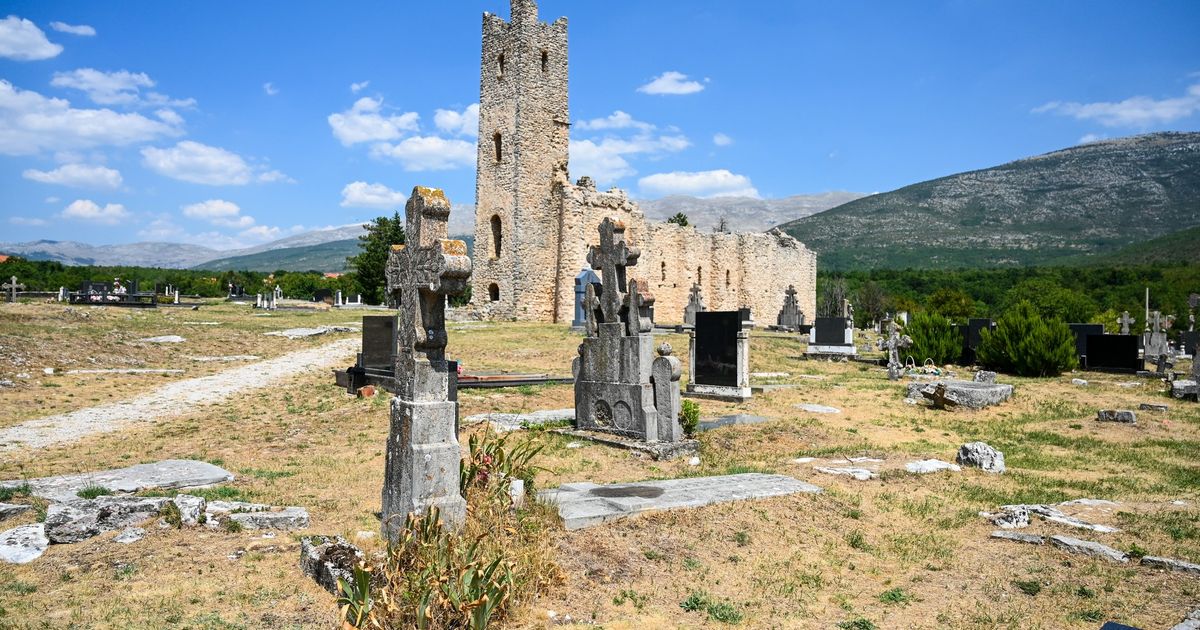
The village of Cetina, located on the slopes of Dinara, has attracted the attention of travelers and nature lovers for centuries. Its almost surreal beauty and rich historical heritage make it one of the most intriguing places in this part of Croatia. However, besides the breathtaking landscapes, many visitors are drawn here by a sanctuary, now in ruins, which equally evokes emotions in both Serbs and Croats.
TL;DR
- The village of Cetina, Croatia, is home to the ruined Church of the Ascension of the Lord (Sveti Spas), a site of historical and nationalistic debate.
- A recent online post claiming the 9th-century church as Serbian heritage triggered sharp reactions and discussions about the historical presence of Serbs in the region.
- Serbian historiography attributes the church's founding to King Stefan Tvrtko I Kotromanić, with construction confirmed in 1391.
- Local narratives and historical accounts emphasize the church's use and significance for Orthodox Serbs, including its eastward orientation and surrounding Orthodox cemetery.
- The church has suffered historical damage, including destruction by Ottoman forces in the late 15th and early 16th centuries.
- The site remains a point of dispute between Orthodox and Catholic communities, with Orthodox Serbs asserting ownership based on tradition and historical evidence.
- Despite the controversy, some perspectives advocate for viewing the church as a potential bridge of unity between the two communities.