Forty-six years without Tito: What did Marshal leave us as a legacy and how long will we pay off debts?
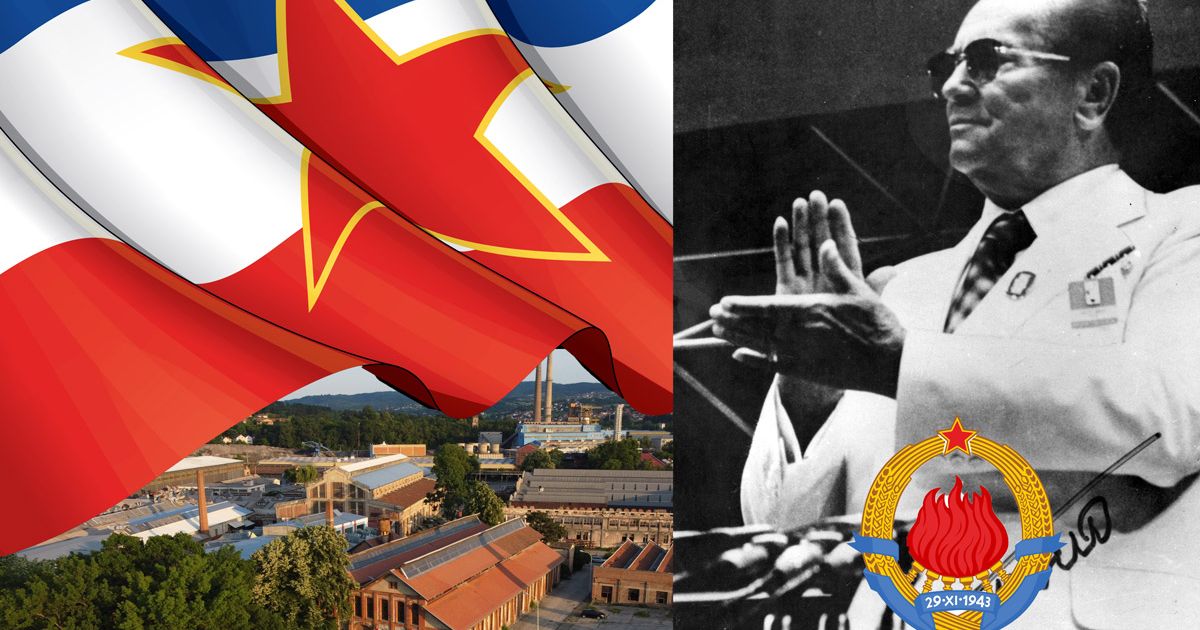
Exactly forty-six years ago today, Josip Broz passed away. To the peoples and nationalities of the Socialist Federal Republic of Yugoslavia, this eighty-eight-year-old man from Kumrovec was Josip Broz Tito, Marshal Tito, Comrade Tito, a friend to the little ones, a fighter for workers' rights, and the lifelong president of a country that disappeared with a loud bang shortly after his death.
TL;DR
- Josip Broz Tito, Marshal Tito, died 46 years ago.
- Many recall the SFRJ era with nostalgia, remembering a time of perceived prosperity.
- Economic indicators reveal a more complex picture, with significant foreign debt accumulated between 1961 and 1981.
- Shortages of goods like coffee, oil, sugar, and flour were common in the 1980s, leading to rationing systems.
- While official unemployment rates were between 9% and 13%, emigration to Western countries was also significant.
- Despite the official narrative, numerous worker strikes occurred due to unpaid wages.
- Tito lived a life of luxury using state resources, including residences, a yacht, and a private fleet.
- Yugoslavia possessed substantial gold reserves, with 46.1 tons deposited in Basel at the time of its dissolution.
- Former Yugoslav republics, such as Serbia, continue to pay off inherited debts, with the last installments due in 2041.