IgA Nephropathy is Chronic. If Untreated, It Can Lead to Kidney Failure
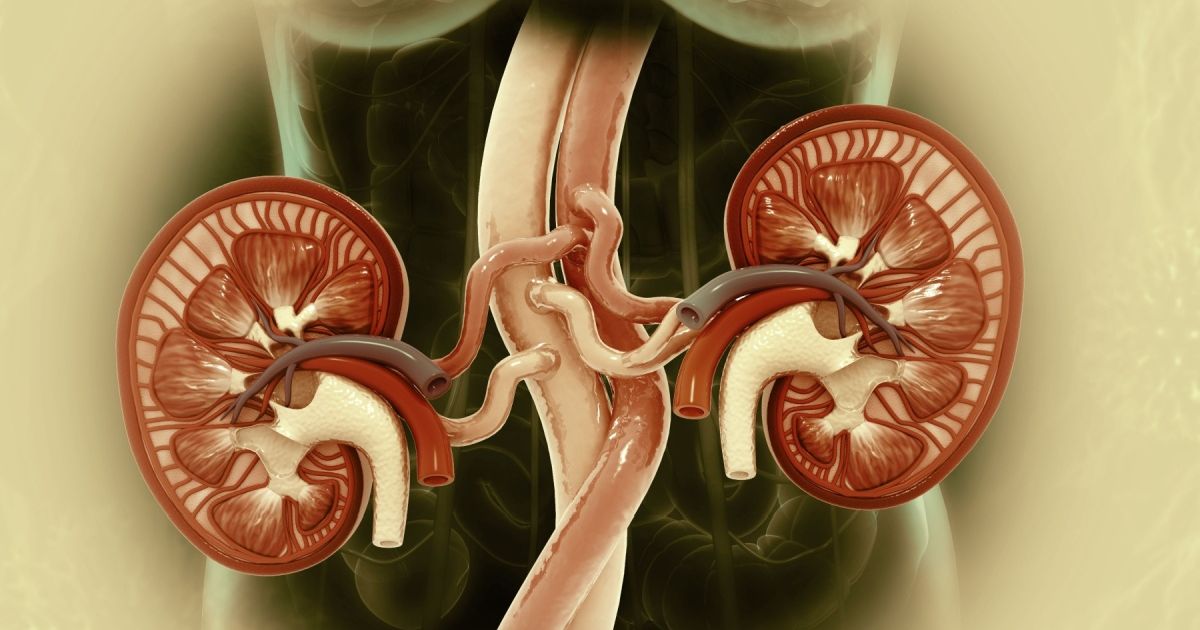
IgA nephropathy, also known as IgAN or Berger's disease, is an autoimmune disorder that occurs when the immune system mistakenly attacks the glomeruli – the tiny blood vessels in the kidneys that filter blood. This process leaves deposits of an antibody called immunoglobulin A (IgA) in the kidneys, which can cause symptoms like dark-colored urine, swelling, and an increase in respiratory infections. If left untreated, Berger's disease can lead to kidney failure.
TL;DR
- IgA nephropathy (Berger's disease) is an autoimmune disorder attacking kidney glomeruli, causing IgA deposits and inflammation.
- Early symptoms include frequent respiratory infections, dark or cola-colored urine, and severe hypertension.
- Progressive symptoms involve foamy urine, edema (swelling), easy bruising, flank pain, fatigue, and gastrointestinal issues.
- Without treatment, IgA nephropathy can lead to end-stage renal disease or kidney failure in 30-40% of cases within 20-30 years.
- Late-stage symptoms may include headaches, skin issues, insomnia, nausea, appetite loss, and cognitive changes.