archaeology
NEOLITSKA NUTELA! Naučnici iz lešnika otkrili kako su ljudi živeli pre 10.000 godina
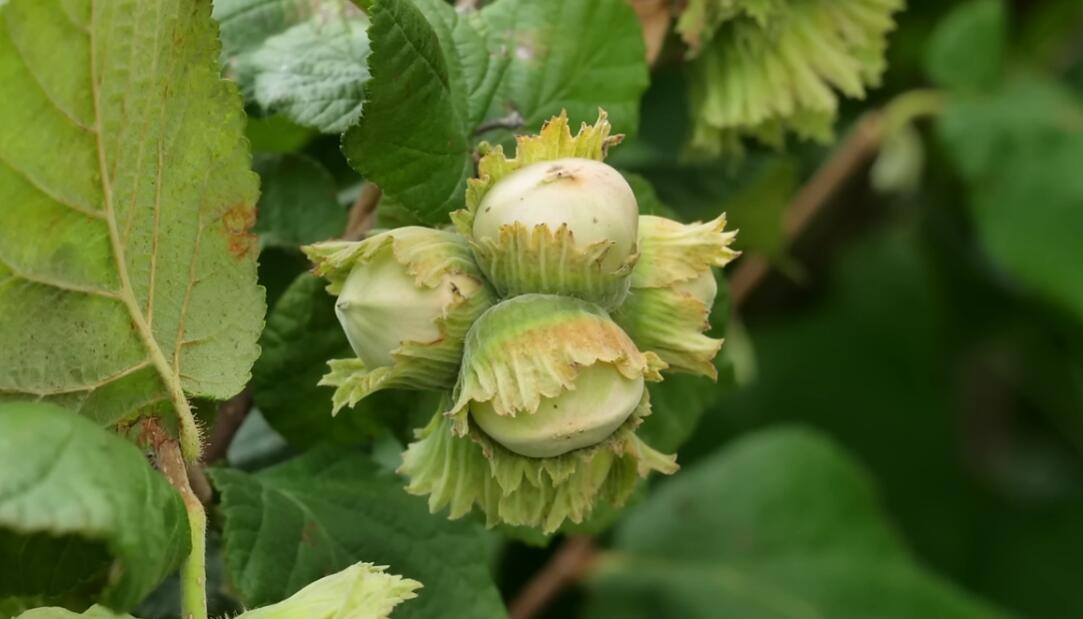
Ljudi u severnoj Evropi jedu lešnike koji su izvor energije još od ranog holocena. U svojim analizama arheolozi su otkrili da je moguće analizirati lešnike pronađene na arheološkim lokalitetima na osnovu njihovih izotopa ugljenika, koji čuvaju zapis o drevnom okruženju.
TL;DR
- Carbon isotope analysis of hazelnut shells can reveal whether they grew in dense, shaded forests or open, sunny areas.
- This technique allows archaeologists to reconstruct the ancient environments where humans lived and foraged.
- Studies in southern Sweden show hazelnut collection shifted from closed to more open environments from the Mesolithic to the Iron Age.
- Hazelnut shells, found at archaeological sites, offer a direct link between environmental changes and human food-gathering activities.
- The isotope analysis can visualize local environments and human impact, especially valuable in areas with limited pollen data.